Last updated November 17, 2026
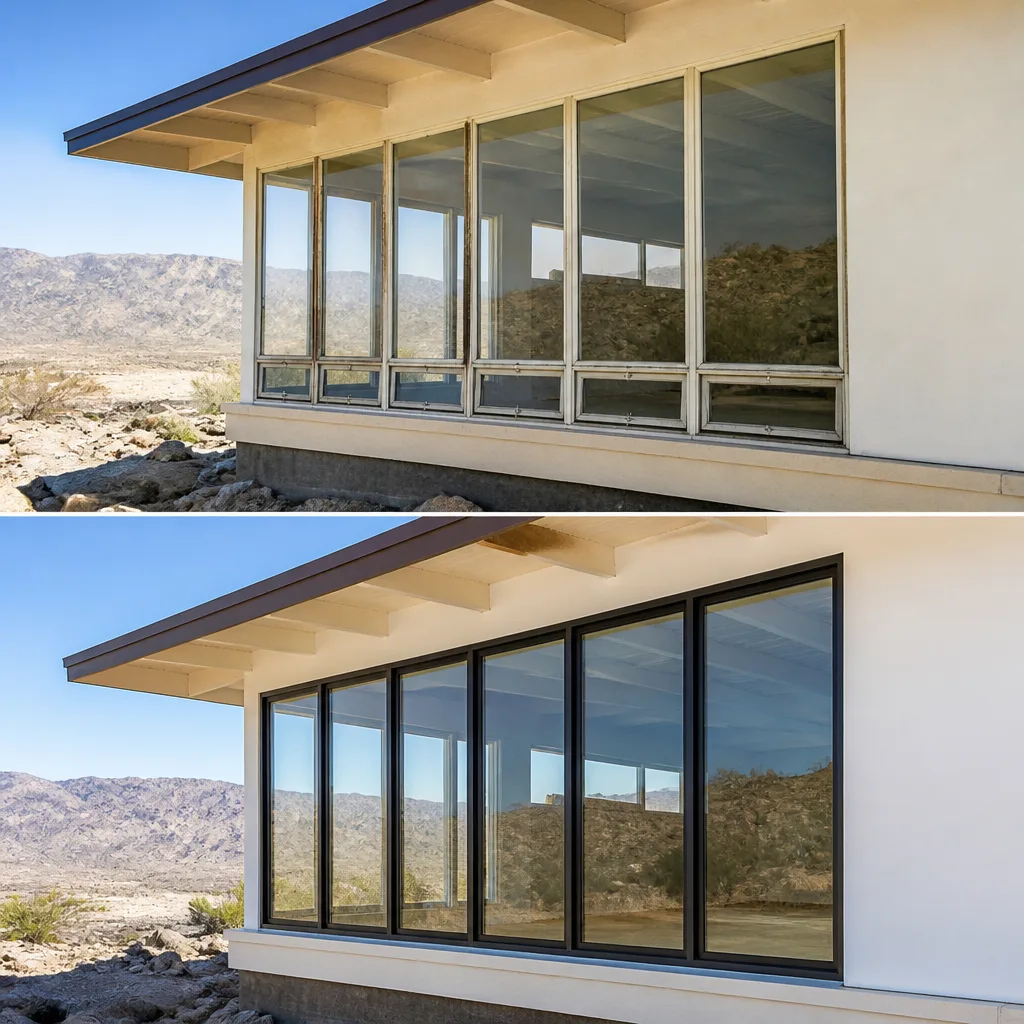
New windows and doors improve comfort, cut energy bills and add long-term value to your home. Sightline Windows & Doors Boulder City pairs proven product lines with a local vetted installing partner for lasting performance - and a price put in writing.
Choose your installer
The unit is half the job - the install is the other half. Background-checked local installers measure, set, seal and insulate every opening, and they know the lines we quote inside and out.
Select the right products
Compare styles, materials and glass packages side by side until the fit is right for your rooms, your budget and your goals. The product-line comparison below is the place to start.
Prepare your home for install
Before install day we walk you through a short checklist - furniture pulled back, treatments down, a clear path to each opening - so install day is watch-it-happen, not scramble.
Compare the Lines We Quote
Every project is priced on the same lines, side by side - the price indicators below are relative, and your consultant shows exact numbers on your actual openings.
PGTThe line homeowners arrive naming - the most impact certifications in the industry$$$
- More impact certifications than any other line we quote
- WinGuard, EnergyVue and ClassicVue Max systems built for every wind zone
- 99% on-time delivery keeps your install date on the calendar
CGIThe heavyweight impact line$$$$$
- Large-missile impact ratings for the strictest wind zones
- Architectural-grade aluminum with commercial-depth frames
- The line we quote when protection is the whole point
CWSThe value pick$$
- Vinyl systems built to strict wind codes
- Strong energy packages at the friendliest price point
- The smart start for whole-home replacements on a budget
ESWSlim lines, big glass$$$$
- Narrow-sightline aluminum for modern elevations
- Oversized openings and floor-to-ceiling glass
- Impact-rated without the bunker look
ECOThe aluminum impact workhorse$$$
- Factory-built aluminum impact systems
- A strong price-to-protection ratio for coastal homes
- Proven lines with short lead times
DIY vs Professional Window Installation: What’s Safe to Do Yourself
Most homeowners think the DIY-or-pro question is about skill. It isn’t. It’s about which steps you can undo without cost. Pulling interior trim, measuring a rough opening, priming bare framing: if you get these wrong, you notice it, you fix it, you move on. Setting and flashing a window into a stucco or block wall is different. One sequencing error there can void your window warranty, the building wrap warranty, and your homeowner’s insurance water-damage claim at the same moment, and the wall may not show it for months. We’ve opened Boulder City walls where the damage was two winters old. This guide draws the line at the exact steps where a mistake becomes expensive, not at the whole category of work.
Quick Answer
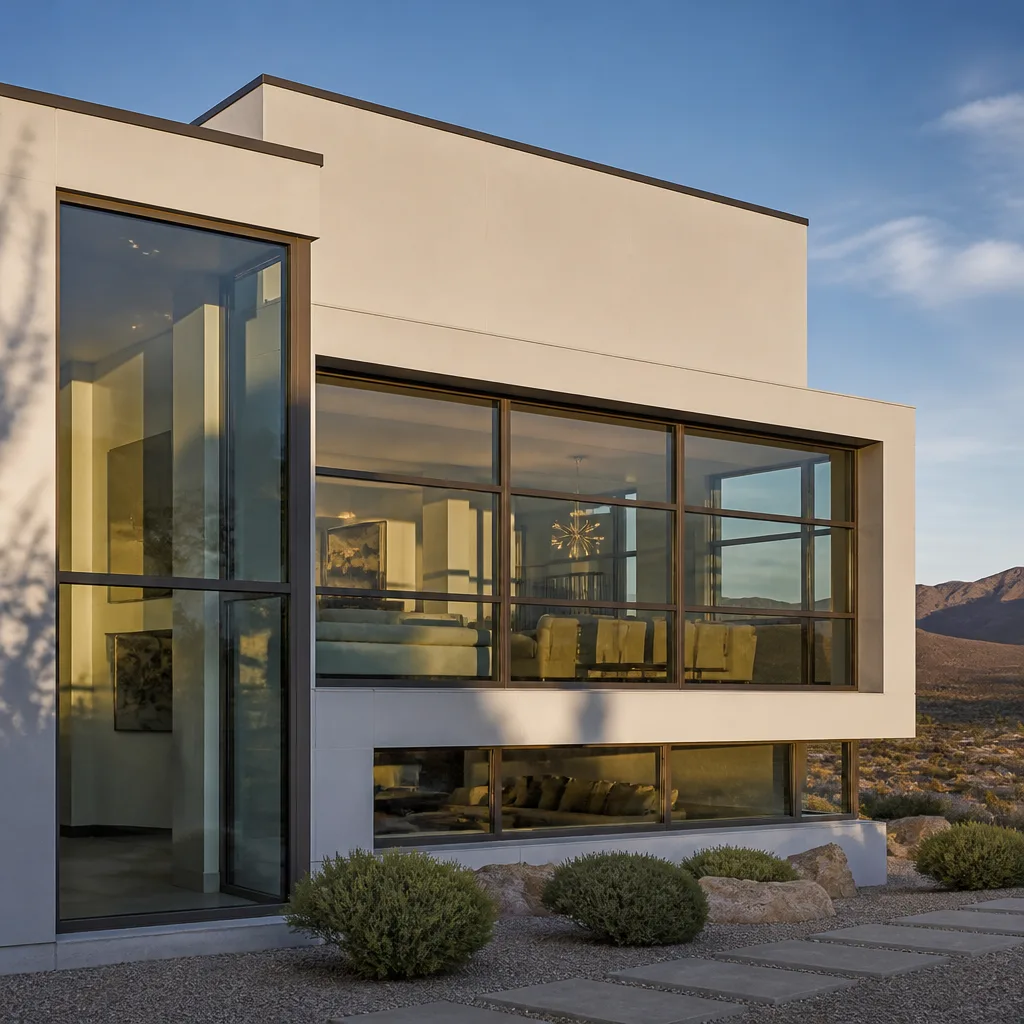
Interior preparation is safe to do yourself. Setting, flashing, and sealing a window into an exterior wall is not, especially in Boulder City’s stucco-clad block construction, where flashing errors hide under the finish and can void three separate warranties at once. If you want to save labor dollars, do the demolition and prep, then hand a clean rough opening to a licensed installer with a written scope.
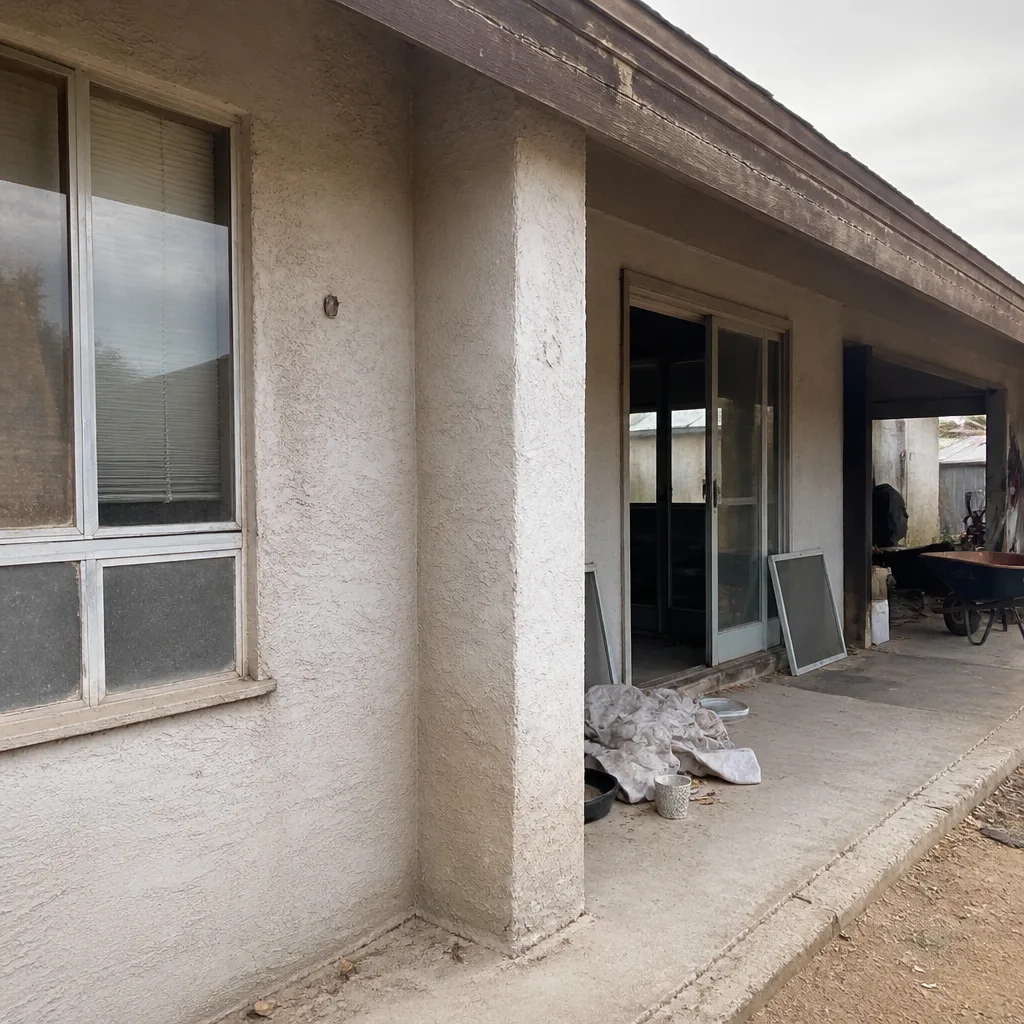 Before
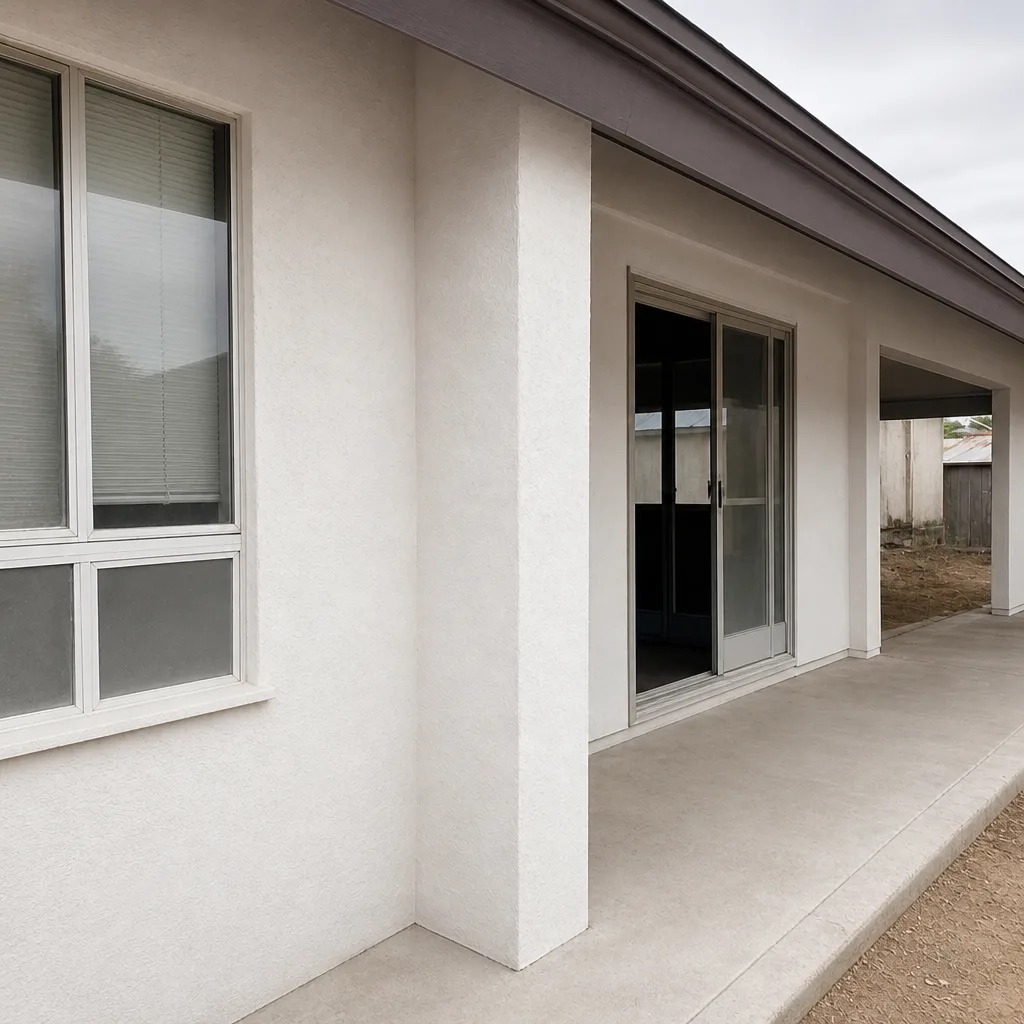 After
Table of Contents
- What You Can Safely Do Before a Professional Arrives
- How Much Partial DIY Actually Saves in Labor Dollars
- Why Flashing in Stucco and Block Is a Licensed-Work Threshold
- What Clark County Code Says About Window Replacement
- The Three Warranties That Share One Voiding Condition
- What a Survey-to-Invoice Document Should Look Like
- The Photo Record a Professional Owes You, and How to Replicate It
- Common Mistakes to Avoid
- When to Call a Professional
What You Can Safely Do Before a Professional Arrives
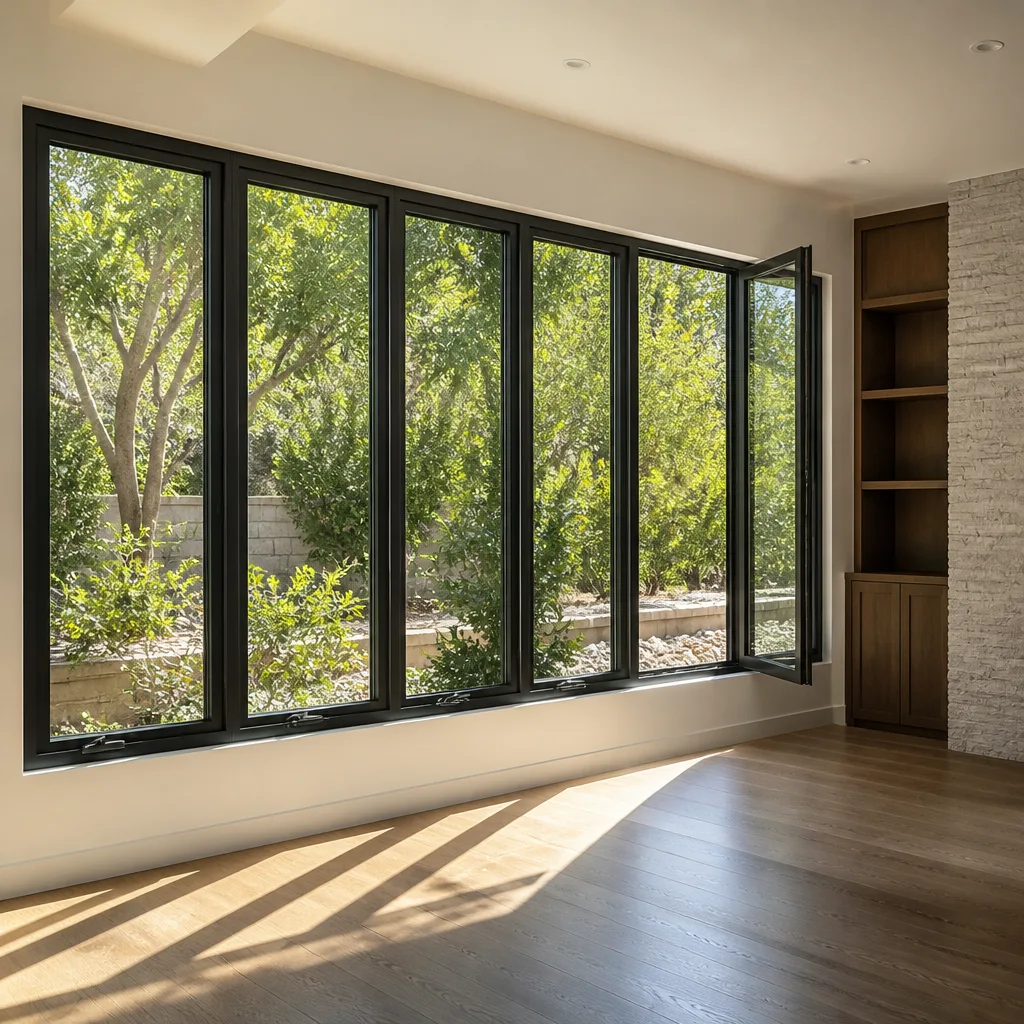
There’s real money in the front half of a window job, and almost none of it requires a license. In our experience, the work you do before the crew shows up shortens the labor line without putting anything at risk. Here is the sequence we walk Boulder City homeowners through when they ask about partial DIY.
- Measure the rough opening, not the old window. Record the width, height, and diagonal of the framed opening with the trim off. A square opening reads the same on both diagonals. If yours doesn’t, that’s information the installer needs before pricing.
- Take out the interior trim carefully. Score the caulk line with a utility knife, then pry from the largest gap. Trim is reusable more often than people expect, and salvaged trim means you’re not buying primed casing in Douglas fir at retail.
- Photograph everything before demolition. The framing, the old flashing, the wrap where it meets the sill. That photo set is your baseline if a question comes up later.
- Clear and protect the room. Move furniture, drop plastic on carpet, tape off adjacent drywall. Fine stucco dust travels.
- Prime any bare wood. Exposed framing above the sill takes a coat of primer in a single afternoon.
Where this gets murky is at the exterior plane. Anything that touches the weather barrier, the flashing, or the stucco finish is outside the safe zone, and that boundary extends to Boulder City’s older hillside homes where the wrap is paper-based rather than the spun-bonded house wraps used since the 2000s. For the full picture of what a professional scope covers, see our window installation in Boulder City page.
How Much Partial DIY Actually Saves in Labor Dollars
A realistic labor range for standard window replacement in the Las Vegas metro runs about $250 to $500 per opening, and interior prep accounts for $40 to $110 of that depending on trim complexity, accessibility, and whether furniture has to move. Two-story vaulted rooms in Boulder City’s hillside neighborhoods sit at the top of that range because scaffolding or ladder work pencils in time.
Three tasks account for most of the savings, and each is genuinely safe:
- Trim removal and disposal ($15 – $35 per opening). A few hours with a pry bar and a dumpster.
- Interior prep and staging ($10 – $30 per opening). Moving furniture, covering floors, clearing access.
- Paint touch-up on interior casing after install ($20 – $50 per opening). This is the one most people skip, and it’s the easiest line to remove.
What you should not assume you’ll save: exterior patching, flashing, stucco repair, sill pan fabrication, or anything requiring a permit inspection. On a typical seven-window job, partial DIY saves roughly $600 to $1,200 in labor, and the written price on the remaining scope should drop by exactly that. If a contractor’s quote doesn’t shift when you say you’ll do the prep, the line items aren’t itemized. Haven Clause 1 (Have it in writing) exists for precisely this reason: a written price before any work starts, broken down by scope, is the only way to verify what partial DIY is actually worth to you. Our window replacement in Boulder City page shows what that breakdown looks like in practice.
Why Flashing in Stucco and Block Is a Licensed-Work Threshold
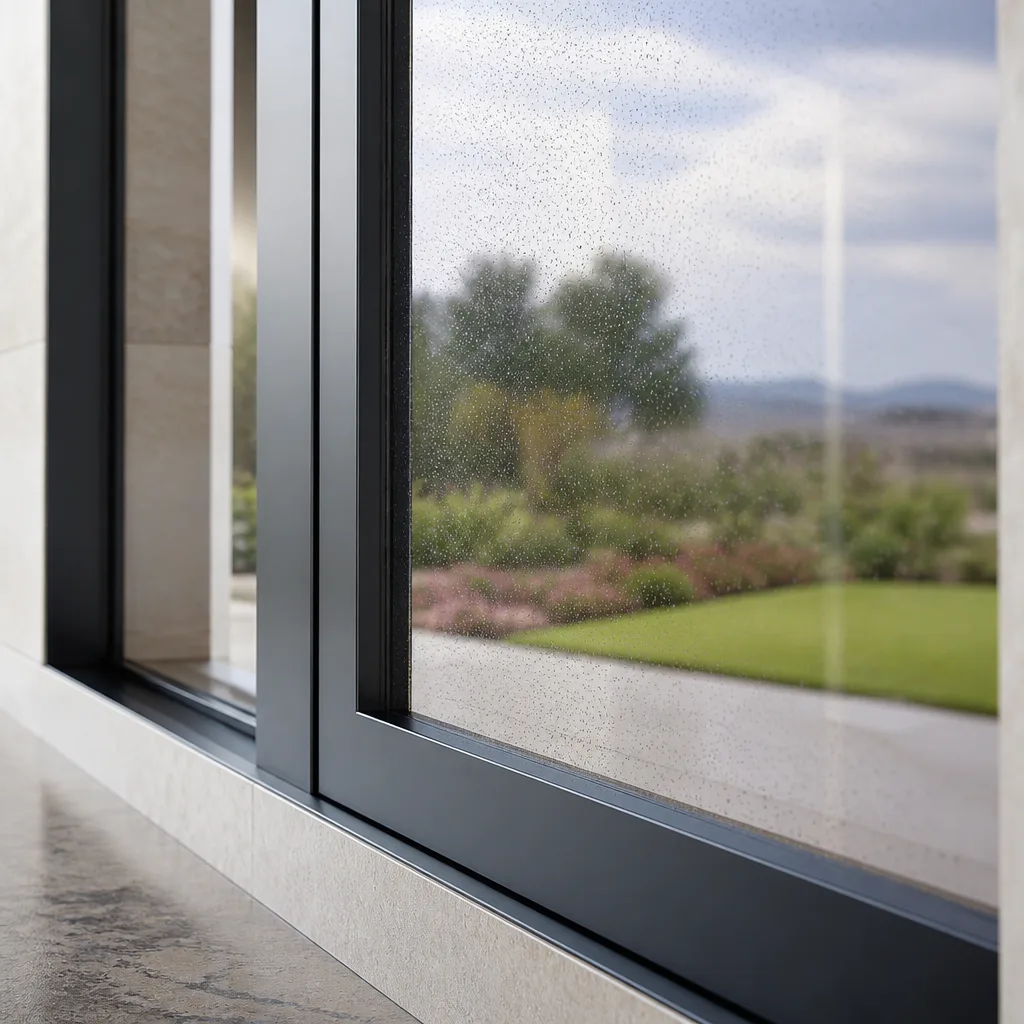
Flashing is the metal or membrane layer that sheds water out of the wall instead of into it. In vinyl-siding construction it’s fussy but visible. In stucco-clad block, which is the dominant wall assembly on Boulder City homes built before 1995 and still appears on infill work, it’s buried. Get the sequence wrong and the mistake is invisible for two to three monsoon seasons.
The sequence that matters:
- Sill pan goes in first, sloped to the exterior, with end dams.
- Weather barrier laps over the pan flange, not under it.
- Flashing tape runs in shingle fashion, upper layers over lower.
- Stucco stop is set with the correct reveal so water exits the wall.
- Sealant is applied at the transition, not as the primary defense.
Any of those reversed and the wall becomes a slow sponge. The failure shows up as soft drywall at the interior sill, bubbled paint, or efflorescence on the block, and by then the sheathing is dirty with moisture. A careful homeowner can install a window indoors. Very few can install a window into a stucco assembly and get the flashing sequence right on the first try, and there’s no way to verify it once the stucco closes. This is why we treat flashing as a licensed-work threshold rather than a skill question, and it’s the reason our door installation in Boulder City scope includes flashing and sill pan under the same standard.
What Clark County Code Says About Window Replacement
Boulder City is its own permitting jurisdiction, and its code conventions are tighter than unincorporated Clark County’s in a few specific ways. In plain terms:
- A permit is required when you replace windows and change the size of the opening, alter the structural framing, or install a new opening in an existing wall.
- A permit may not be required for like-for-like replacement in the same opening with the same size, when the work complies with current energy code and the opening isn’t on a designated historic structure.
- Historic district rules apply to exterior appearance in Boulder City’s historic core, and replacement windows on contributing structures may need review before anything is ordered.
Unpermitted work is a problem at resale, and it’s a problem with insurance, because a claim adjuster who finds unpermitted structural modification has grounds to question the whole loss. If you’re doing partial DIY in Boulder City, confirm permitting with the city before you order product. A contractor who tells you to skip the permit is telling you what they think of your equity.
The Three Warranties That Share One Voiding Condition
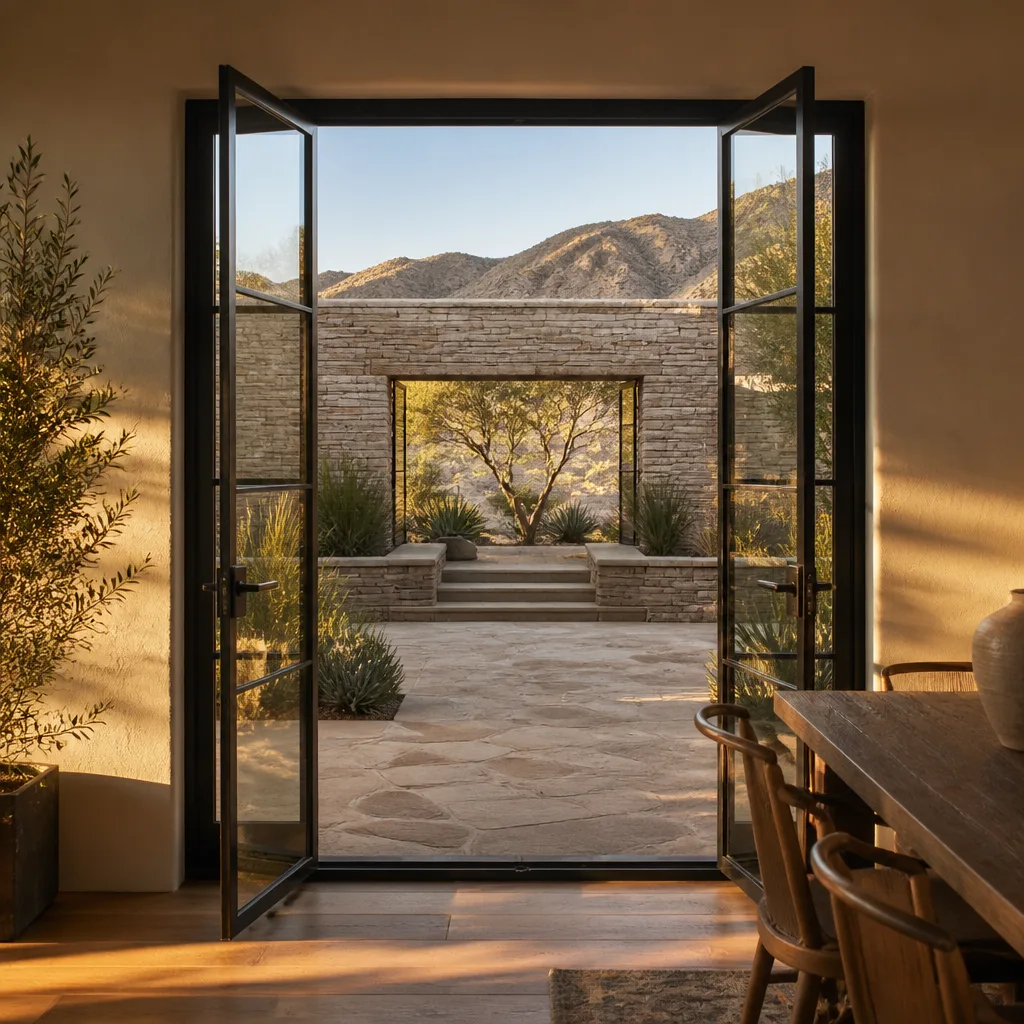
Three separate documents sit behind every installed window, and all three share a single voiding trigger: improper installation by an unlicensed party.
- The manufacturer’s product warranty. Most lines sold through established dealers, including the PGT and ViewLux products we specify, condition coverage on installation by a properly licensed party following the manufacturer’s written instructions.
- The weather barrier or house wrap warranty. The wrap manufacturer covers the barrier itself, not the installation, and any breach of the wrap by an unpermitted party is typically excluded.
- Your homeowner’s insurance water-damage coverage. Slow leaks traced to improper installation are excluded under most policies, even when the damage shows up years after the fact.
That’s the whole argument in one sentence. The dollar exposure isn’t the window; it’s the wall behind it, the floor under it, and the structural repair that comes after. We’ve reviewed estimates from Boulder City homeowners that looked complete until you asked which licensed party was installing and whether the warranty would follow. If you already have a written quote and want an independent read of it, our Sightline Windows & Doors Boulder City home page lists what a free second opinion covers.
What a Survey-to-Invoice Document Should Look Like
The survey and the quote should be the same document. If the company that measures you isn’t the company that prices the work, the price can drift between measurement and contract. Here’s the structure to ask for, whether you’re doing partial DIY or an all-in professional install:
- Opening-by-opening measurements per the rough opening, not the old window, with elevations or a floor plan reference.
- Product line named per opening (for instance, a PGT impact-rated unit in the front elevation and a ViewLux unit in the rear), with U-factor and SHGC listed.
- Labor broken out by line item (removal, flashing, install, patching, finish work, haul-away), so you can verify what’s in scope and what isn’t.
- Permit and inspection line stated as included or excluded, with the governing jurisdiction named.
- Warranty terms attached (product, labor, and the installer’s written workmanship guarantee), with the voiding conditions in writing.
- Final invoice matches the survey, with no change order unless it’s signed and itemized.
If your quote has one lump price, one product name, and no line items, you’re paying for a mystery. Here’s the test: ask the estimator to point to which line covers flashing. If they can’t, the price isn’t written, it’s recited.
The Photo Record a Professional Owes You, and How to Replicate It
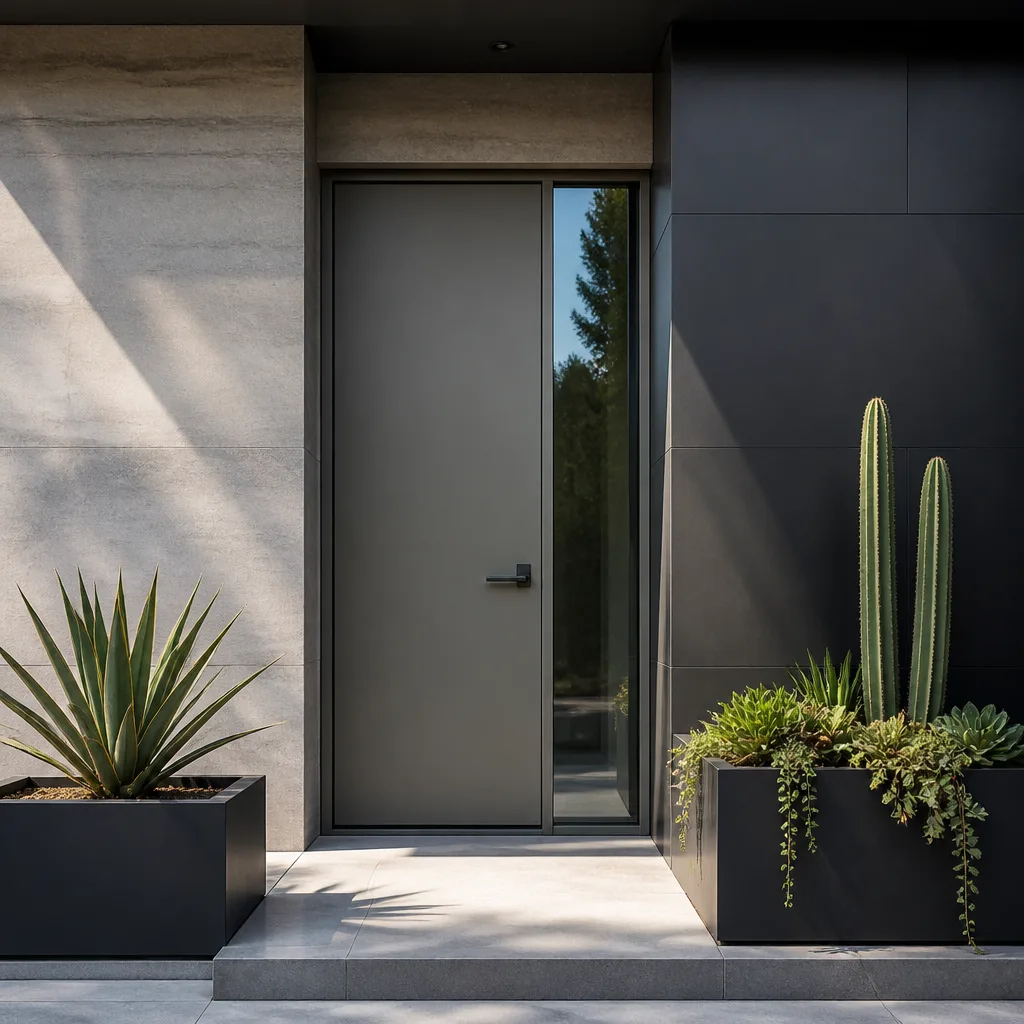
Every job we complete leaves a photographic record: rough opening, flashing and sill pan before close-out, exterior finish, interior finish, and the serial label on the unit. That’s not an upsell; it’s evidence, and it’s the only way to prove a warranty claim if the work goes into question years later.
If you do the work yourself, replicate the same set:
- Wide shot of the opening after old window removal, before any product is set.
- Close-up of the sill pan and flashing sequence as it’s installed.
- Label photo of the window or door with the serial number and manufacture date readable.
- Exterior and interior finished shots with a date stamp.
- Retail receipts and product spec sheets filed with the photos, not just saved to a phone.
Save the set to cloud storage and give a copy to your insurer. If you sell the home, that folder is the only paper trail anyone will accept for a self-installed opening. For professional installs in Boulder City, you should not have to ask for it. A documented photo record on every visit is part of the standard we operate under, not a special request. The Haven Clause 4 (Evidence on every job) is a promise, and we’d rather be held to it than trusted to it.
Common Mistakes to Avoid
- Measuring the old window instead of the rough opening. Old windows are almost never square after ten years in a Boulder City wall, and the diagonal tells the truth. Measure the opening with trim off and you’ll avoid a factory remake.
- Using surface sealant as flashing. Caulk is a maintenance item, not a water barrier. The flashing sequence does the work; the caulk only protects the flashing edge.
- Skipping the sill pan because the opening “looked dry.” Every opening looks dry in June. By September the monsoon finds the flaw.
- Ordering windows before a permit is confirmed in Boulder City’s historic district. Exterior appearance triggers review on contributing structures, and a delivered window you can’t install is a costly order to reverse.
- Accepting a verbal scope. If it isn’t written, it isn’t in the job. Show us a quote with flashing scrambled into a single install line and we’ll show you a warranty dispute waiting to happen.
- Assuming insurance will cover a leak. Slow leaks traced to improper installation are typically excluded, even on a professionally installed opening, if the installer wasn’t licensed.
- Skipping the post-install photo record. If you ever file a warranty claim, the serial photo and the flashing photo carry weight that memory doesn’t.
When to Call a Professional
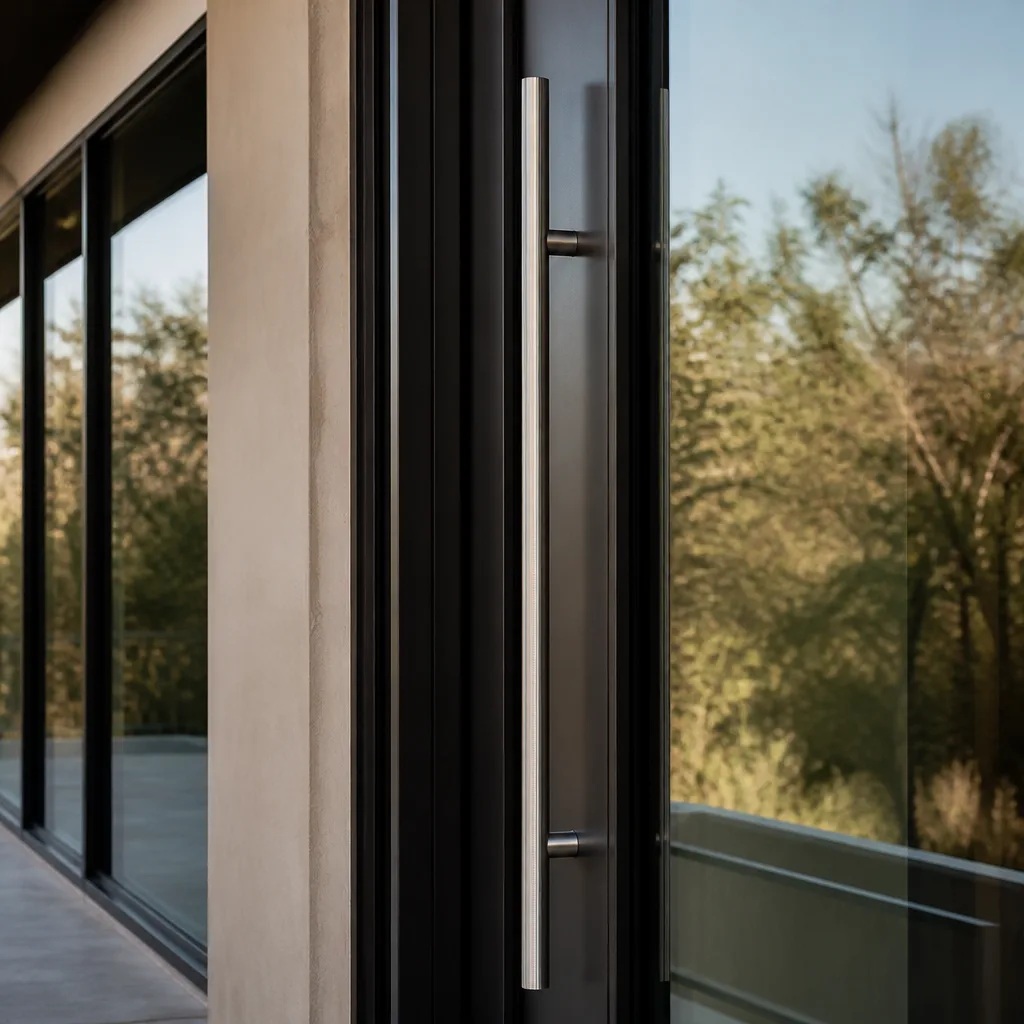
Call a licensed installer for anything that opens the exterior envelope. That includes new opening work, any change to window size, impact-rated product installation, historic-district replacement, second-story exterior work, and anything involving flashing on stucco or block. It includes doors, too: a patio door replacement is a window job with a walking load, and the same warranty voids apply.
If you’ve already done the prep and just want a clean rough opening closed correctly, we handle that scope under the Haven Standard, with a written price before any work starts and a documented photo record at the end. All technicians are background-checked, uniformed, and identified by license number before arrival. Sightline Windows & Doors Boulder City offers free estimates in Boulder City. Call (833) 847-4018 and we’ll walk the openings with you.
Frequently Asked Questions
Typical savings run $600 to $1,200 on a seven-window job, driven by trim removal, interior prep, and paint touch-up. Call (833) 847-4018 for an exact quote against your open scope. Estimates are free.
Usually not. Most manufacturer warranties, weather-barrier warranties, and homeowner insurance policies condition coverage on licensed installation, so a self-installed window typically voids all three at once. Call us at (833) 847-4018 if you want a written read on your specific product line.
In practice, yes. The flashing sequence sits behind the stucco finish and can’t be inspected after close-out, and a single reversal creates a slow leak that shows up two to three monsoon seasons later. That’s why we treat it as licensed work rather than a skill problem.
Like-for-like replacement in the same opening may not require a permit, but size changes, new openings, structural alterations, and historic-district replacements typically do. Confirm with the city before ordering product, because an unpermitted install is a problem at resale and at insurance claim time.
A proper estimate lists measurements per opening, product line per opening with U-factor and SHGC, labor broken out by line item, permit and inspection status, and warranty terms with voiding conditions stated in writing. If any of that is missing, ask for it or expect to argue later.
It shouldn’t. A proper written price, built from the measured survey the customer keeps, is only revised by a signed change order for scope you approve. Under the Haven Standard, the measurement and the quote are the same document, so there’s no surprise line at the bottom of the invoice. Call (833) 847-4018 to see the format on your own openings.
The Bottom Line
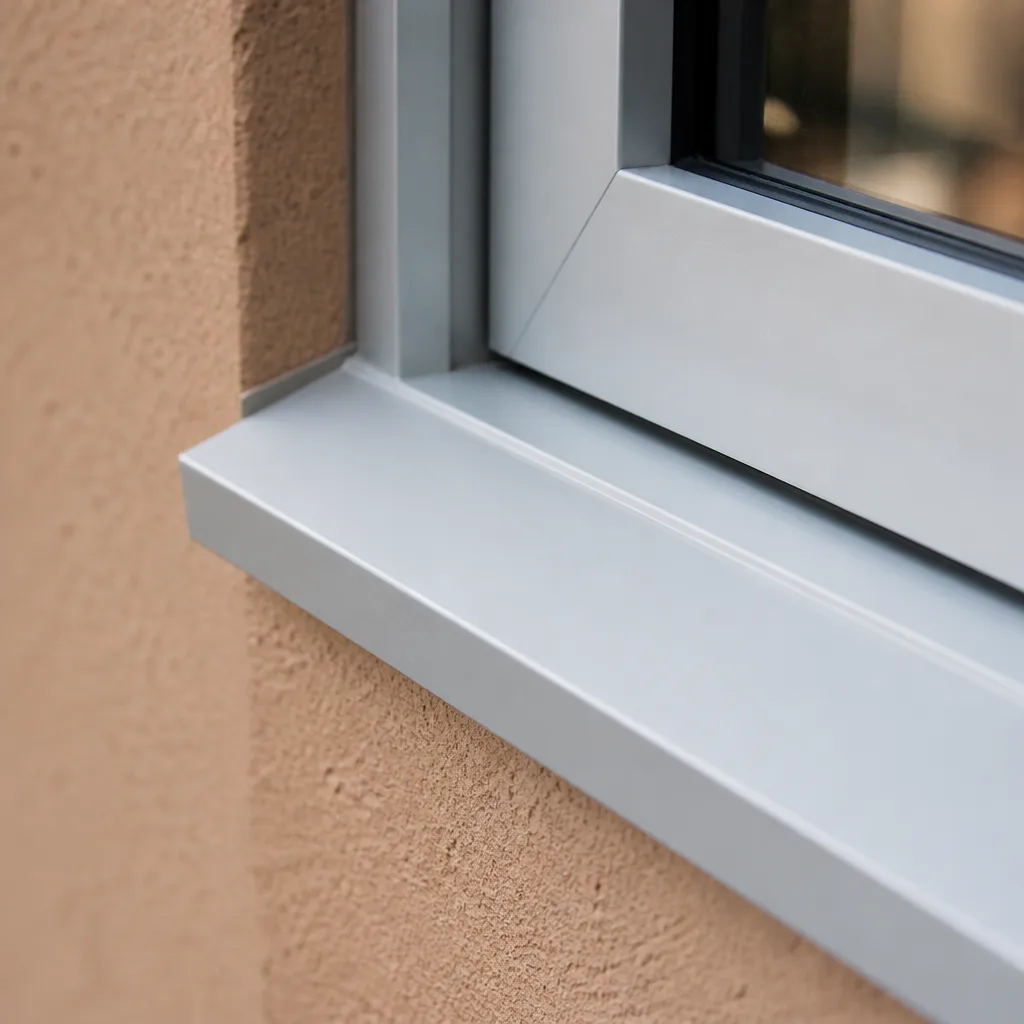
The DIY-versus-pro line for windows isn’t about whether you can swing a hammer. It’s about which mistakes you can see and repair, and which ones fail silently. Interior prep, trim removal, measuring, staging, and paint are yours to take. Setting, flashing, and sealing into a Boulder City stucco or block wall are not, because the failure hides under the finish and voids three warranties at once. Do the front half, document everything you touch, then hand a clean opening to a licensed installer with a written, itemized price. That split saves you real labor dollars without moving the risk into a wall you can’t inspect.
Written by the team at Sightline Windows & Doors Boulder City.
Six Reasons Homeowners Choose Sightline Windows & Doors Boulder City
Laminated glass and reinforced frames hold up to wind-driven rain, hail and flying debris, so your openings stay sealed when the weather turns.
Low-E insulated impact glass from our manufacturer lines commonly cuts monthly cooling bills 20-30%.
Laminated impact glass shuts out up to 40% of outside noise - traffic, neighbors, weather.
Monitoring services run $30-90 a month. Laminated impact glass resists forced entry around the clock, with no subscription.
Tighter seals and insulated glass even out hot and cold rooms and stop the drafts at the frame.
A full impact package upgrades curb appeal, buyer confidence and appraised value in one project.
Other Sightline Windows & Doors Boulder City Services