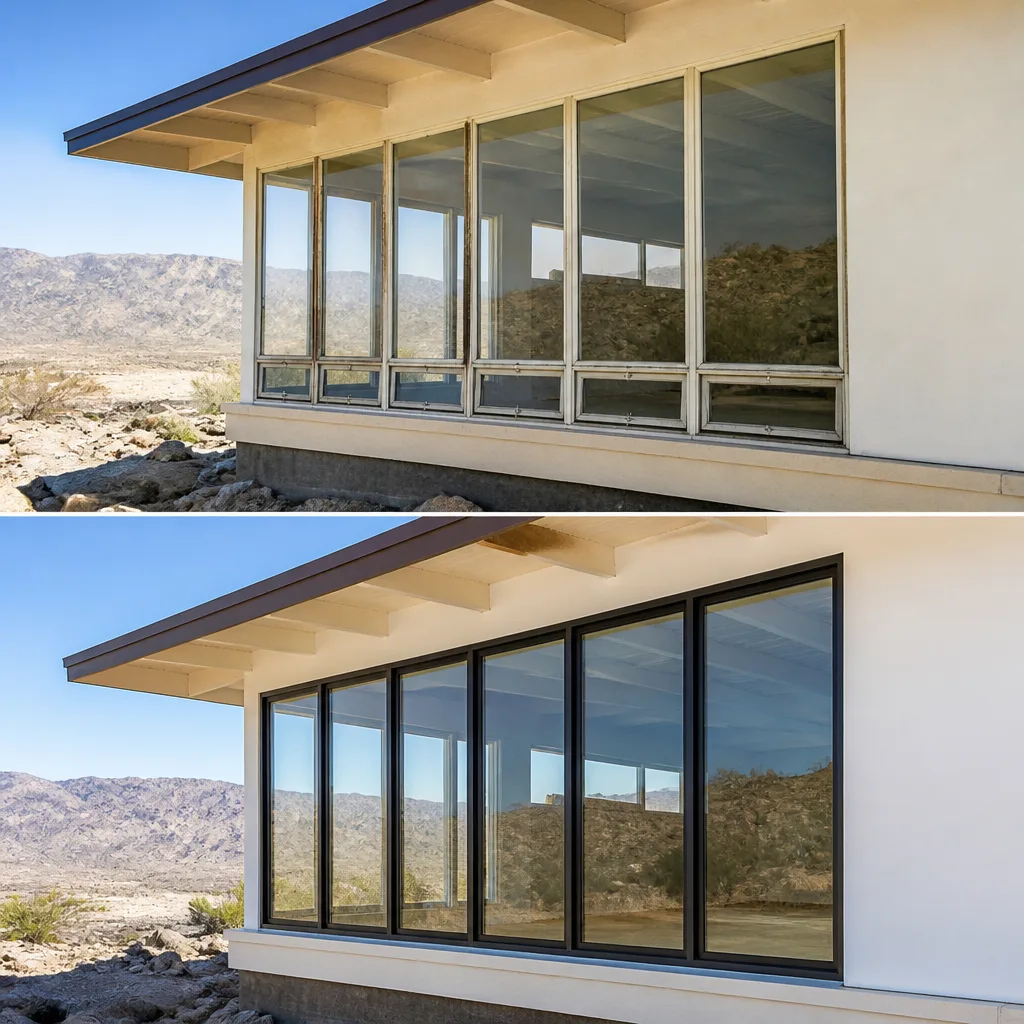
Last updated November 17, 2026
New windows and doors improve comfort, cut energy bills and add long-term value to your home. Sightline Windows & Doors Boulder City pairs proven product lines with a local vetted installing partner for lasting performance - and a price put in writing.
Choose your installer
The unit is half the job - the install is the other half. Background-checked local installers measure, set, seal and insulate every opening, and they know the lines we quote inside and out.
Select the right products
Compare styles, materials and glass packages side by side until the fit is right for your rooms, your budget and your goals. The product-line comparison below is the place to start.
Prepare your home for install
Before install day we walk you through a short checklist - furniture pulled back, treatments down, a clear path to each opening - so install day is watch-it-happen, not scramble.
Compare the Lines We Quote
Every project is priced on the same lines, side by side - the price indicators below are relative, and your consultant shows exact numbers on your actual openings.
PGTThe line homeowners arrive naming - the most impact certifications in the industry$$$
- More impact certifications than any other line we quote
- WinGuard, EnergyVue and ClassicVue Max systems built for every wind zone
- 99% on-time delivery keeps your install date on the calendar
CGIThe heavyweight impact line$$$$$
- Large-missile impact ratings for the strictest wind zones
- Architectural-grade aluminum with commercial-depth frames
- The line we quote when protection is the whole point
CWSThe value pick$$
- Vinyl systems built to strict wind codes
- Strong energy packages at the friendliest price point
- The smart start for whole-home replacements on a budget
ESWSlim lines, big glass$$$$
- Narrow-sightline aluminum for modern elevations
- Oversized openings and floor-to-ceiling glass
- Impact-rated without the bunker look
ECOThe aluminum impact workhorse$$$
- Factory-built aluminum impact systems
- A strong price-to-protection ratio for coastal homes
- Proven lines with short lead times
Window Installation Warning Signs Every Homeowner Should Know
The costliest window installation failures are silent for the first twelve months. Improper flashing, a racked frame, missing pan flashing at the sill – none of these show a symptom you can see until water has been working behind the wall for months, and by then the installer has cashed the check and moved on. Homeowners in Boulder City live with a particular version of this problem: intense desert sun, monsoon-driven rain in July and August, and a housing stock that mixes mid-century block homes with newer stucco builds. This guide documents the sequence of signals a bad installation leaves over eighteen to thirty-six months, so you can catch a defect while it’s still inside the warranty window rather than after it.
Quick Answer

Bad window installations announce themselves in a predictable order: draft patterns and condensation location in the first month, sealant separation around month twelve, and interior paint bubbling, drywall softness, or mineral staining by year two. If you can match any of these symptoms to the written scope and photo record from your original install, you can usually prove a workmanship defect while it’s still covered. Without that documentation, you’re relying on a verbal promise and memory.
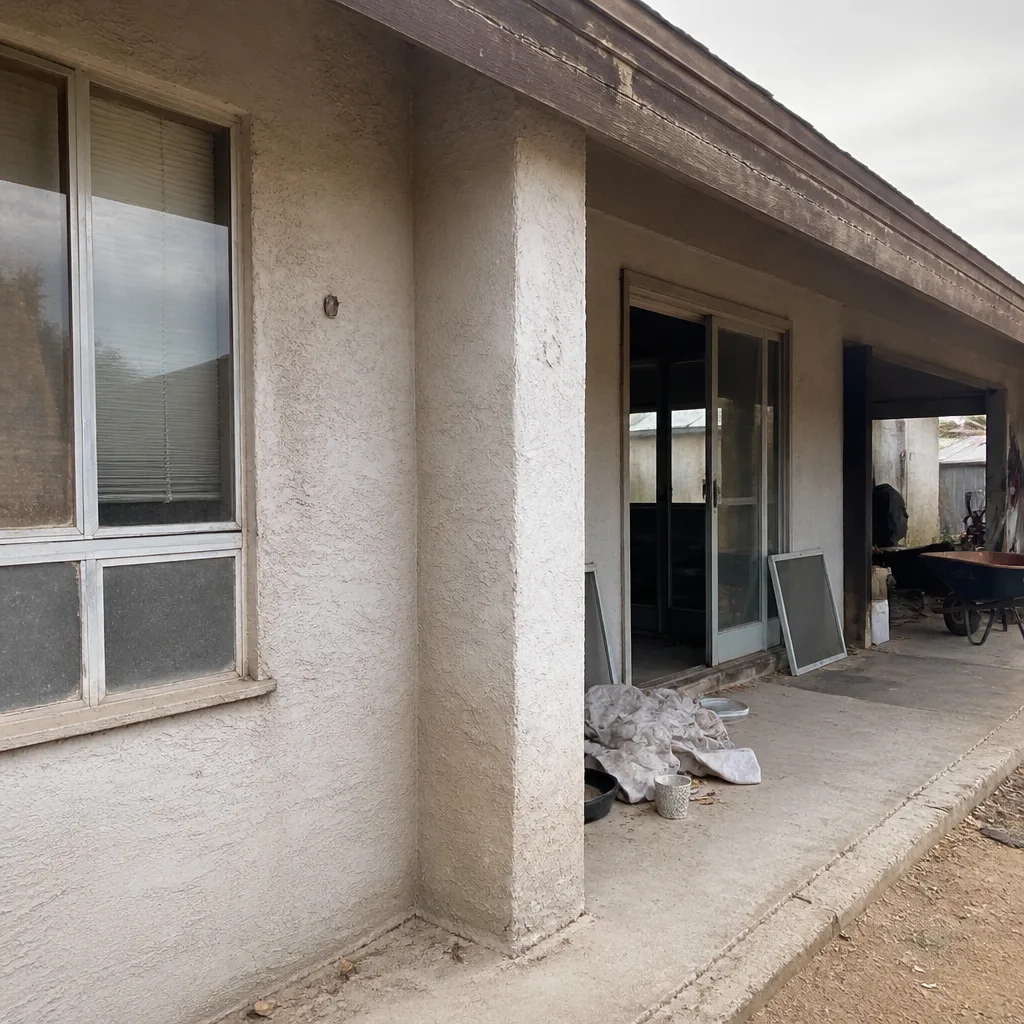 Before
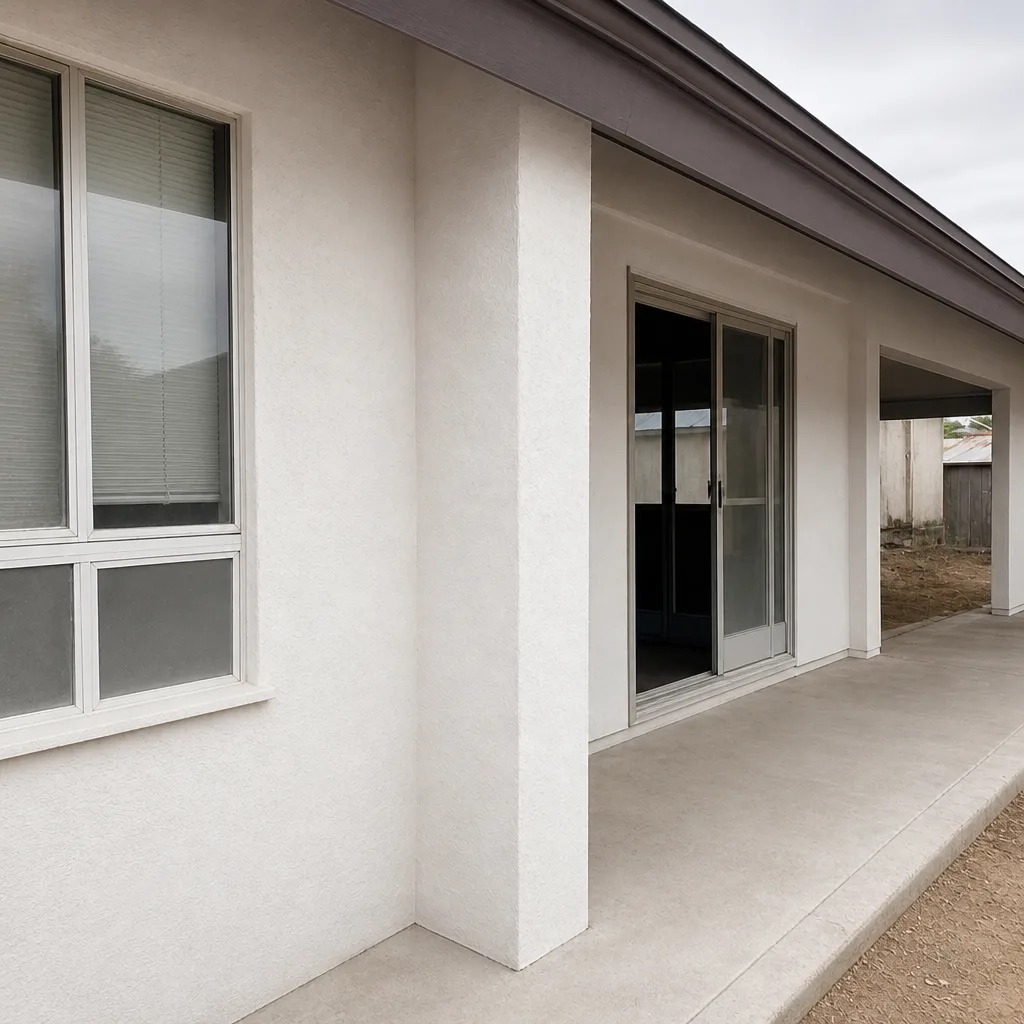 After
Table of Contents
- Month-One Signals: Frame Alignment and Air Seal
- Year-One Signals: Sealant Patterns and Frame Movement
- Year-Two Signals: Water Intrusion Behind the Wall
- How the Install Photo Record Proves a Defect
- Written Scope vs. Verbal Quote at the Warranty Stage
- Why Boulder City’s Climate Accelerates Window Defects
- A 7-Step Inspection You Can Do Yourself
- When a Warning Sign Means “Call a Pro”
Month-One Signals: Frame Alignment and Air Seal
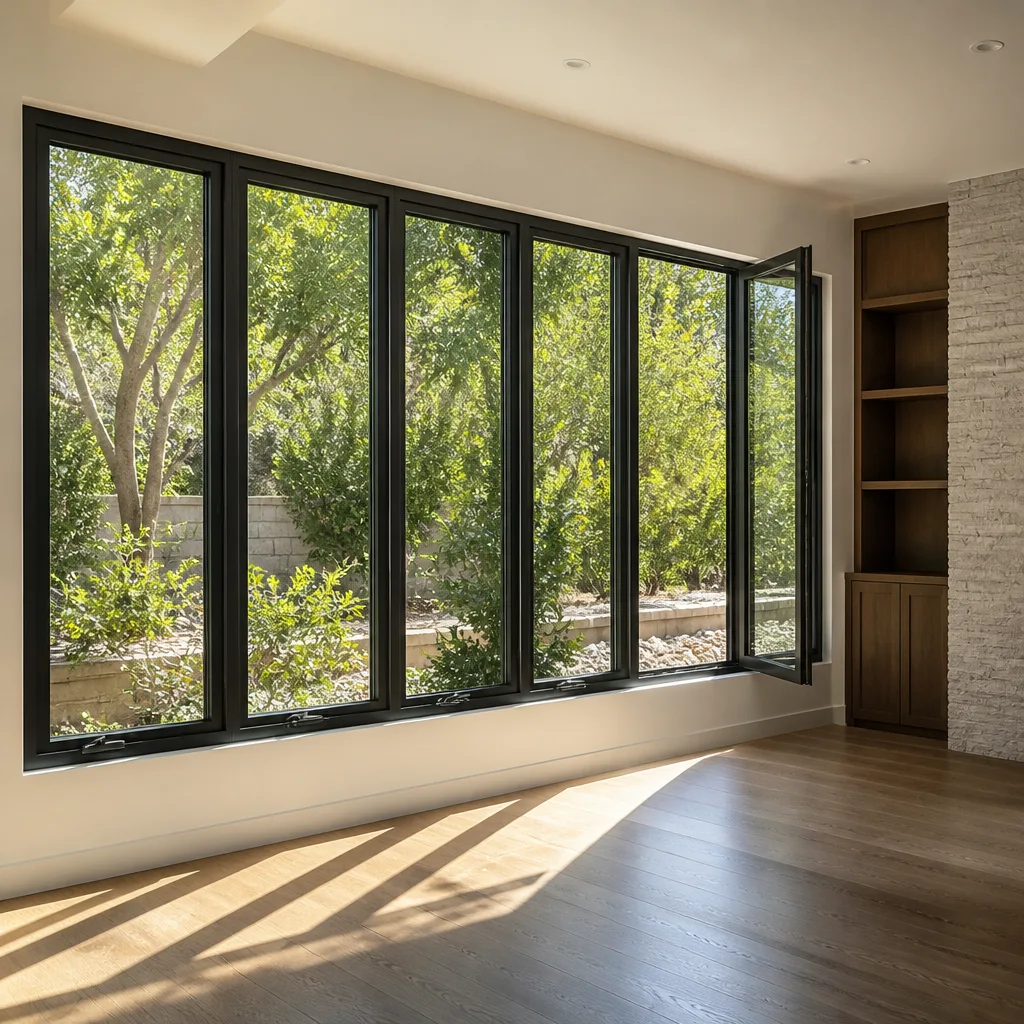
The first thirty days tell you more about frame alignment than any later inspection. A window that was shimmed correctly, plumbed, and sealed sits quietly. One that was installed out of square starts talking almost immediately, and it talks in drafts, condensation, and hardware that fights back.
Here’s what to check, and what each symptom points to:
- Draft at the meeting rail or sash edge. A steady draft along the seam where the sashes meet usually means the frame is racked – twisted slightly out of square during install. The weatherstripping can’t seat against a frame that isn’t true.
- Condensation on the interior glass within the first month. Interior condensation points to excess indoor humidity or a compromised seal. Condensation between the panes is a failed insulated glass unit – a factory defect, but one the installer should replace under warranty. Where the condensation forms tells you which.
- Hardware that sticks or needs two hands. A lock that won’t engage smoothly, a sash that drags on one corner: both are classic signs of a frame installed out of square. In Boulder City’s dry heat, new weatherstripping can stiffen in the first few weeks, but a lock that still fights you after thirty days is a frame problem, not a break-in period.
- Visible gaps at the jamb-to-wall junction. Run your hand along the interior trim line. A noticeable temperature change or a whistle on a windy day means the rough opening wasn’t properly insulated or sealed.
Write down what you find and the date you found it. That log becomes evidence. In our experience installing across Boulder City, a window that drafts in month one will be a window that leaks in year two – the air gap and the water path are usually the same gap.
Year-One Signals: Sealant Patterns and Frame Movement
Around the twelve-month mark, the exterior sealant tells a story. All sealants shrink slightly as they cure and as the building moves through its first full thermal cycle. Normal shrinkage is uniform and cosmetic. Abnormal separation is directional, and the direction points to the cause.
Reading the sealant
- Hairline cracks along the entire perimeter. Usually normal cure shrinkage. Cosmetic, easily maintained with a refresh every two to three years in desert sun.
- Separation concentrated on one side or one corner. That’s frame movement or building settlement. The window is moving relative to the wall, and the sealant can’t bridge the gap.
- Diagonal separation running from a corner. A strong indicator the unit was installed out of square and is now settling into its stress points.
- Sealant that has pulled completely away from the frame or the wall. This is an adhesion failure, and it opens a direct water path behind the flashing. Get it inspected before the next monsoon season.
Boulder City’s thermal swing – hot days, cool desert nights, and a summer that routinely pushes well past 100°F – puts exterior sealant through more expansion and contraction in a year than a coastal climate does in three. That’s why our install crews specify UV-rated sealant on every Boulder City job and note the product used in the written scope. When sealant fails early here, it’s often the wrong product for the exposure, not just time passing.
The photo record at year one
If your installer handed you a documented photo record at completion – showing flashing, pan installation, shimming, and the sealed frame before trim went on – pull it out now. Compare what the photos show to what you’re seeing. A photo of properly lapped flashing with the correct pan slope is a strong defense if a defect claim is ever disputed. A photo record is standard on every job we complete, and it’s the single most useful document a homeowner holds onto after the crew leaves.
Year-Two Signals: Water Intrusion Behind the Wall
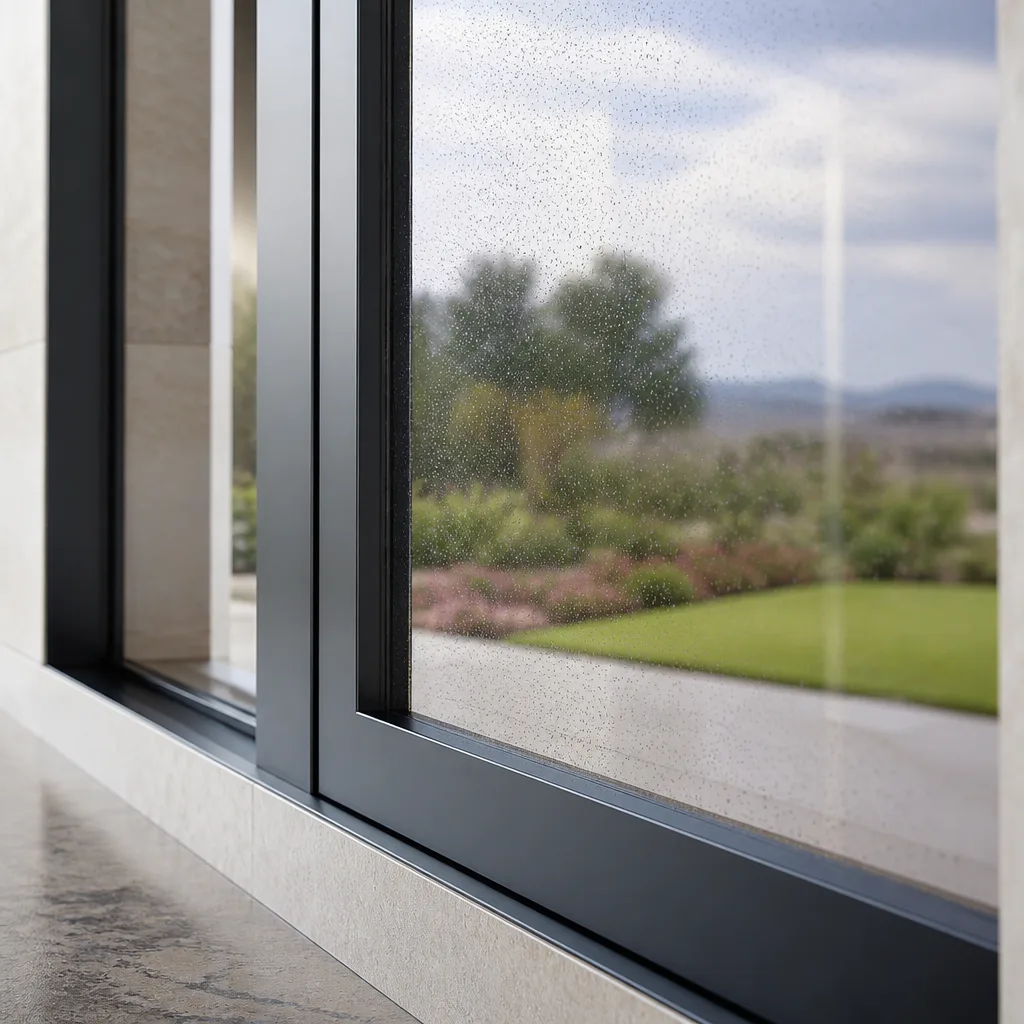
By the second year, water that has been entering behind the flashing for months reaches a point where it shows through the interior finish. This is the stage where damage becomes expensive, and it’s the stage where a homeowner who ignored month-one and year-one signals pays for it.
Interior paint bubbling
Paint that bubbles or blisters near a window’s interior edge – especially at the bottom corners or along the sill – is moisture pushing from behind. It’s not a paint problem. Bubbling at the sill line most often traces to a failed sill pan or a flashing that was never installed at all. Bubbling near the head of the window points to a head flashing failure, where water is entering at the top and running down inside the wall cavity.
Drywall softness
Press a fingertip into the drywall below the window sill. Give it a firm push. Soft, spongy drywall means the paper backing has absorbed water and the gypsum has begun to break down. By the time drywall feels soft, water has been present for weeks at minimum, usually months. That’s a repair that extends well beyond the window.
Mineral staining
Boulder City’s water is hard, and water that has traveled through stucco and wall cavity picks up minerals along the way. White or chalky staining, or a crusty deposit at the interior sill, is a mineral signature of long-term seepage. Any staining that traces to a window edge deserves an immediate inspection, because the visible stain is the shallow end of the damage.
These three symptoms – bubbling, softness, staining – are the ones our Boulder City crews see most when a homeowner calls after an install that went wrong elsewhere. They almost always trace back to one of two failures: missing pan flashing at the sill, or improperly lapped building paper behind the stucco. Both are install errors. Neither is visible from the inside until the water’s done months of work.
How the Install Photo Record Proves a Defect
Here’s the part most homeowners don’t realize until they need it: the install photo record is what turns a warranty claim from a conversation into a case. A documented photo record shows the flashing before the siding or stucco closed over it, the pan at the rough sill, the shim placement, and the sealed frame. That’s the workmanship evidence.
When evidence of water intrusion appears two years later, those photos become the comparison point. If the photos show the pan correctly sloped and flashed, and the interior is now wet, the cause is something else – a failed sealant maintenance item, a siding issue, or a roof leak above. If the photos show no pan at all, or flashing that wasn’t lapped, the cause is documented. The claim stands on the record rather than on memory.
What you should receive as standard documentation at the end of an install:
- A written scope that names the flashing method, the pan product, the sealant used, and the insulation spec.
- Date-stamped photos of each opening’s rough-in state, before trim and finish.
- A photo of each finished unit from at least two angles.
- The written warranty covering both product and workmanship, with the term stated in plain numbers.
- A named license number for the crew that performed the install, so the person on the record matches the person in the photos.
If a company can’t hand you that package, treat it as a warning sign before the install, not after. In our view the documentation is not a nice-to-have – it’s the whole reason a warranty has teeth. A written price before any work starts and a documented photo record when it finishes are the two documents that protect a homeowner from this entire sequence of failures.
Written Scope vs. Verbal Quote at the Warranty Stage
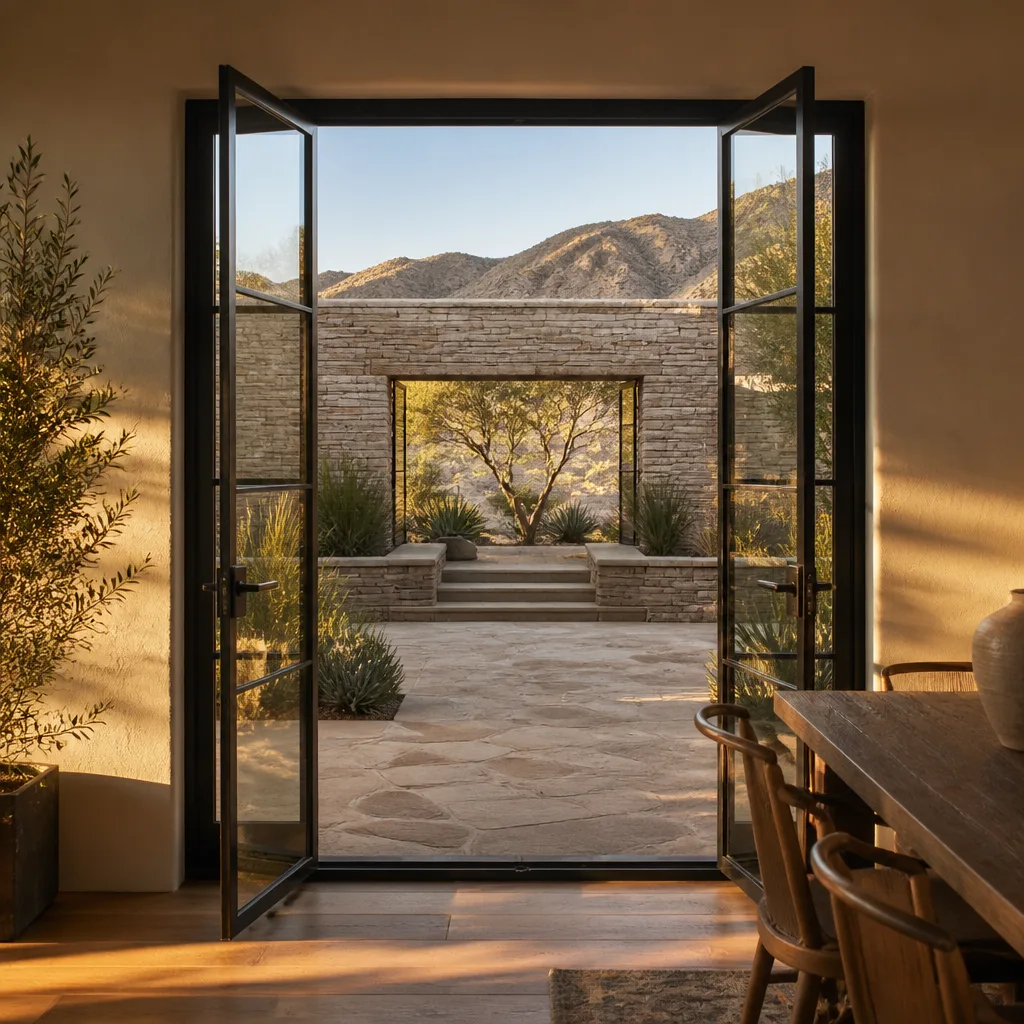
At the warranty stage, a verbal quote is worth nothing. A written scope with the same line-item detail as the invoice is worth everything, because the warranty claim lives or dies on whether the workmanship was specified. If the contract says “replace windows, seal to code” and nothing more, proving that flashing wasn’t installed becomes a matter of argument. If the contract names the pan product, the flashing method, and the sealant spec, the claim is straightforward.
This is the reasoning behind writing the measured survey and the quote as a single document at window installation in Boulder City. The measurement and the price can’t disagree because they’re the same paper, and every line item in the scope is also a line item covered by the warranty. The homeowner keeps a copy. The install crew works from the same page. If a defect appears in year two, the question is simply: did the work match the scope? The photos answer it, and the written scope defines what the photos should show.
When you’re comparing estimates, compare the scopes line by line – not the bottom line. A lower price that leaves flashing method unstated is the more expensive choice if the installation fails in twenty-four months.
Why Boulder City’s Climate Accelerates Window Defects
Boulder City sits in a particular spot for window performance: very low humidity most of the year, intense UV, and summer monsoon storms that deliver heavy rain in bursts. That combination is hard on three things – sealants, glazing, and the exterior wall plane itself.
The UV load degrades exterior sealant faster than sealant makers’ general figures assume. The thermal swing between afternoon heat and overnight cooling works the frame against the rough opening daily. And the monsoon rain arrives with wind pressure, driving water laterally against the window where a coastal drizzle wouldn’t. A defect that would take three years to surface in a mild climate can surface in eighteen months here.
Boulder City’s mid-century block homes have an added complication: block walls with stucco over them don’t tolerate hidden water the way a wood-framed wall does. Water trapped between the stucco and the block has nowhere to go, and it works on the fastening points of the window frame directly. This is one reason our Boulder City survey includes the wall assembly – what’s behind the stucco changes the flashing method and the sill detail.
Windows and doors in this climate are also more exposed on the west and southwest elevations. If a symptom you’re seeing is concentrated on those sides of the house, the sun exposure is part of the story, and the fix should account for it.
A 7-Step Inspection You Can Do Yourself
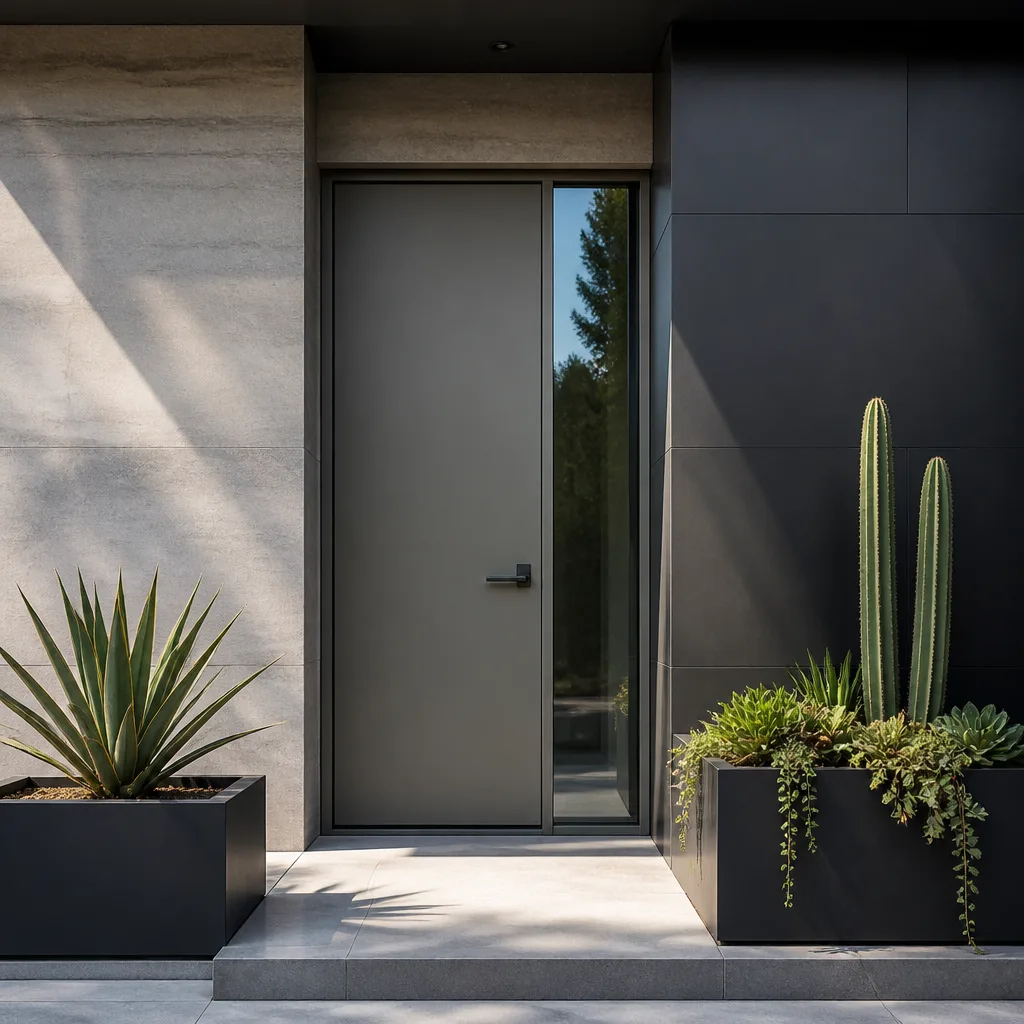
Run this check once a quarter for the first two years after any window installation. It takes twenty minutes and catches the early signals before they become expensive.
- Feel for drafts. On a windy day, run a hand around the interior perimeter of every new window – meeting rail, sash edges, jamb. Note any steady movement of air.
- Check condensation location. Look at each pane in the early morning. Interior surface means humidity; between panes means a failed unit.
- Operate every lock and crank. Note any binding, sticking, or need for two hands. Baseline the operation in month one and re-check quarterly.
- Inspect exterior sealant. Look for separation at the frame-to-wall joint. Note whether the separation is uniform around the perimeter or concentrated at one side or corner.
- Photograph what you find. Date-stamp each photo. This is your own record and it supplements the installer’s.
- Press the interior drywall below each sill. Any softness, bubbling, or staining should be photographed and reported to the installer immediately.
- Compare to the install photo record. Match current conditions to the photos from install day. Discrepancies are the evidence you need.
If you’re evaluating an installer before the job starts, ask whether they’ll provide the same documentation. Any company worth hiring will hand you a written scope, a photo record at completion, and a written warranty with the term stated plainly – and a license number attached to the crew. When you’re ready to compare written scopes, bring ours side by side with any competitor’s, or take a competitor’s quote to us for a free second opinion and we’ll walk through it with you.
The documentation side of the install is where a homeowner has real leverage. You can compare written scopes before signing. You can require a photo record as a condition of the contract. You can refuse to start work with a handshake and a verbal number. All of that is within your control, and it’s the protection that matters most in the eighteen-to-thirty-six month window after installation.
Common Mistakes to Avoid
- Ignoring a month-one draft as “settling.” A frame that drafts in the first thirty days is out of square and won’t correct itself. Report it before the window’s warranty window narrows.
- Treating exterior sealant cracks as purely cosmetic. Uniform hairline crack is cosmetic; directional or corner-origin separation means frame movement. In Boulder City’s thermal swing, sealant failure shows up earlier than homeowners expect.
- Repainting over interior bubbling without investigating. Paint over bubbling hides the symptom and hides the defect. The moisture behind the paint is still working on the wall.
- Accepting a verbal quote without a written scope. A quote that doesn’t name flashing method, pan product, sealant spec, and warranty term gives you nothing to hold an installer to at year two.
- Not photographing what you find and dating it. Memory is a weak witness. A dated photo of a draft, a crack, or a stain is the difference between a warranty claim and a conversation.
- Signing off on the install without the photo record. If the installer says they’ll email photos “later,” get them before final payment. The documentation is part of the job, not a follow-up courtesy.
- Assuming a low price reflects a lower-cost install. A quote with unstated flashing and pan detail is cheaper because it doesn’t include them. In Boulder City’s block-and-stucco stock, missing pan flashing is the top cause of year-two water intrusion.
When to Call a Professional
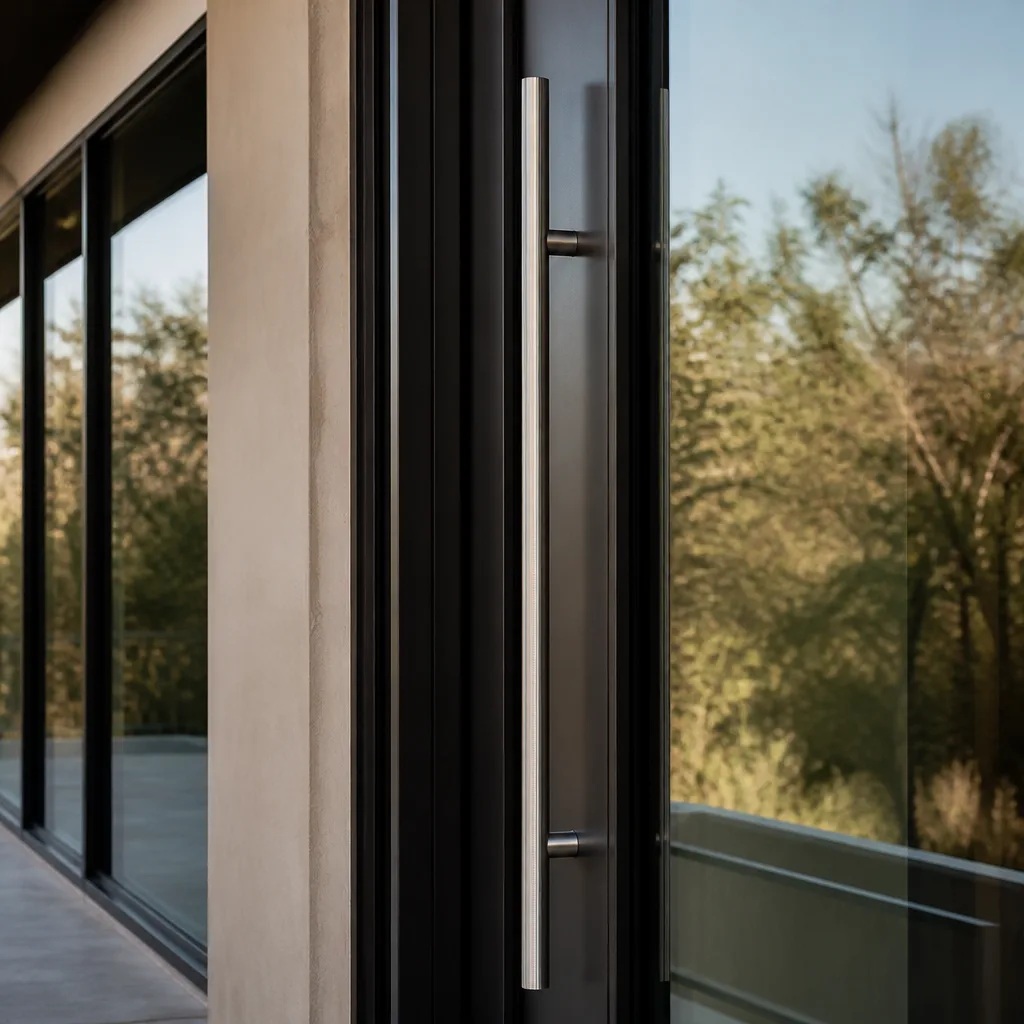
Any of these scenarios deserves a professional inspection rather than a homeowner fix: interior drywall that feels soft below a window, paint bubbling at a sill or head, mineral staining at any window edge, a lock that binds consistently after month one, or exterior sealant that has fully separated from the frame or wall. Those are the late-stage signals, and the sooner they’re diagnosed, the smaller the damage. A professional inspection reads the wall assembly, checks the flashing via a small opening if needed, and determines whether the cause is the install or a separate issue. We offer free estimates across Boulder City for installation, replacement, and post-install inspections – call (833) 847-4018 and we’ll come out, look at the wall, and give you a written diagnosis and a written price before anything is touched. Our technicians have up to 14 years of experience reading exactly these sequences, and every job is backed by the 365-Day Done Right Promise under the Haven Standard.
If your windows are already past the fixable stage and you’re looking at window replacement in Boulder City, the same documentation discipline applies at the front end – ask for the written scope, the photo record, and the warranty term before any work starts.
Frequently Asked Questions
The first sign is usually a draft that shows up in the first thirty days, most often at the meeting rail or along one sash edge. A draft there points to a frame that’s out of square, and the draft doesn’t go away on its own. Note where it’s concentrated and photograph it with a date. If you’re in Boulder City and see a persistent draft, call (833) 847-4018 for a free inspection – the earlier it’s caught, the smaller the repair.
Typically twelve to twenty-four months. Water entering behind the flashing from a missing pan or improperly lapped building paper works slowly, and the interior drywall shows the symptom only after months of saturation. In Boulder City’s monsoon-driven rain pattern, water pressure against the window during a July or August storm pushes more water in than a mild climate would, so the timeline here can run closer to twelve months. If you see interior bubbling or softness, call (833) 847-4018 for a written diagnosis before the next rainy season.
Sometimes. Condensation on the interior glass surface points to indoor humidity or a weak-air-seal problem, often a rough opening that wasn’t properly insulated. Condensation between the panes is a failed insulated glass unit – a product defect the installer should replace. Neither is a definitive install verdict on its own, but the location of the condensation tells a technician a lot. Call (833) 847-4018 to get a read on it; the inspection is free.
Date-stamped photos of each opening’s rough-in state before trim, showing flashing, sill pan, shim placement, and the sealed frame – plus finished photos from at least two angles. Combine that with a written scope that names the flashing method, pan product, sealant spec, and warranty term. Every job we complete leaves that record by default, not as an upsell. Call (833) 847-4018 to see a sample record and how we document a Boulder City install.
Yes – it matters when the work doesn’t look fine. A license number attached to the crew on record is what lets a homeowner and, if needed, the jurisdiction trace workmanship back to a specific installer. Our Haven Clause 3 means the person at your door is the person on the record. Call (833) 847-4018 to confirm the crew assigned to your job and their license number before installation day.
A proper warranty covers two separate things: the product (frame, glazing, hardware) and the workmanship (flashing, sealing, installation method). Workmanship coverage is the one homeowners forget to confirm, and it’s the one that matters for the failures this guide describes. Ask for the workmanship term in plain numbers before signing. Call (833) 847-4018 for a written warranty and scope with both terms stated clearly – our own is the 365-Day Done Right Promise under the Haven Standard.
The Bottom Line
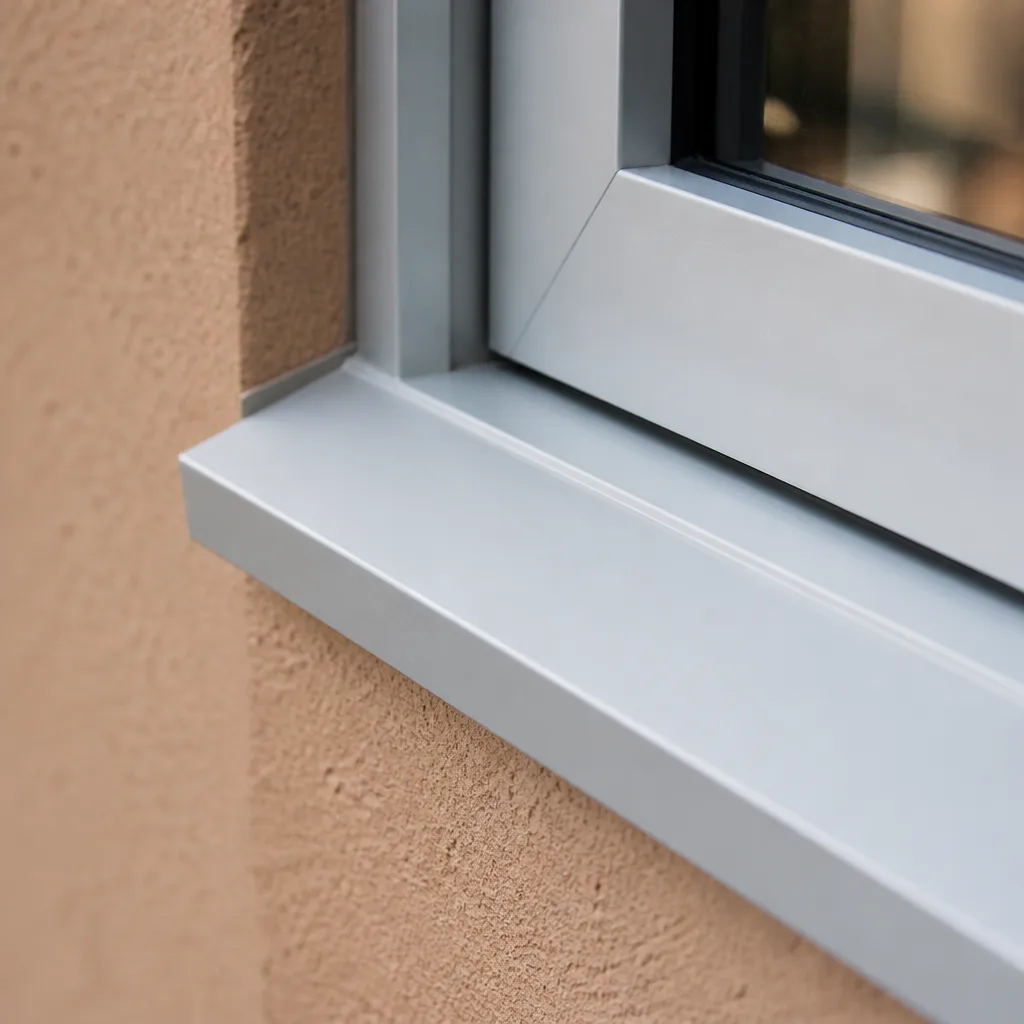
Bad installations fail in sequence, not all at once: draft and condensation in month one, directional sealant separation at year one, and paint bubbling, drywall softness, or mineral staining by year two. Catch the sequence early and most defects are still inside the warranty window. Catch them late and the repair extends into the wall. The two documents that protect you are a written scope that names the flashing method, pan, and sealant, and a photo record of the work – without those, you have no evidence when the claim arrives. In Boulder City’s climate, the timeline compresses. Get the documentation, and inspect quarterly for the first two years.
If you’re planning a door installation in Boulder City at the same time, the same evidence discipline applies to door flashing and threshold detailing. If you’re weighing product options, our window replacement guide and the Sightline Windows & Doors Boulder City home page lay out the manufacturer lines we install – including ECO Window Systems and Mr-Glass for energy-efficient units, and Therma-Tru for entry systems – specified by what the opening requires, not by what’s in stock.
Call (833) 847-4018 to schedule a free estimate in Boulder City. We’ll bring the measured survey, write the price before any work starts, and leave you with the documented photo record when the job’s done – the paperwork that protects you long after the crew has left.
Written by the team at Sightline Windows & Doors Boulder City.
Six Reasons Homeowners Choose Sightline Windows & Doors Boulder City
Laminated glass and reinforced frames hold up to wind-driven rain, hail and flying debris, so your openings stay sealed when the weather turns.
Low-E insulated impact glass from our manufacturer lines commonly cuts monthly cooling bills 20-30%.
Laminated impact glass shuts out up to 40% of outside noise - traffic, neighbors, weather.
Monitoring services run $30-90 a month. Laminated impact glass resists forced entry around the clock, with no subscription.
Tighter seals and insulated glass even out hot and cold rooms and stop the drafts at the frame.
A full impact package upgrades curb appeal, buyer confidence and appraised value in one project.
Other Sightline Windows & Doors Boulder City Services