Last updated November 17, 2026
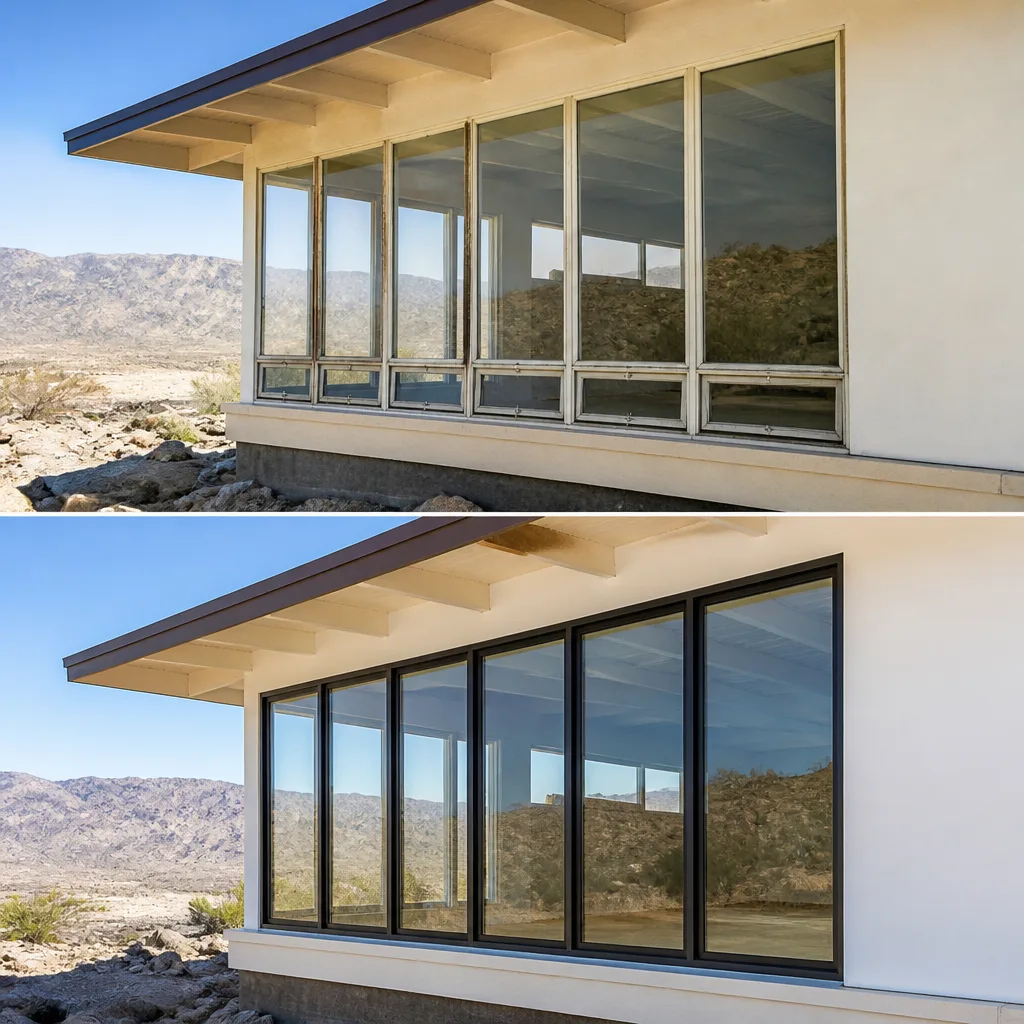
New windows and doors improve comfort, cut energy bills and add long-term value to your home. Sightline Windows & Doors Boulder City pairs proven product lines with a local vetted installing partner for lasting performance - and a price put in writing.
Choose your installer
The unit is half the job - the install is the other half. Background-checked local installers measure, set, seal and insulate every opening, and they know the lines we quote inside and out.
Select the right products
Compare styles, materials and glass packages side by side until the fit is right for your rooms, your budget and your goals. The product-line comparison below is the place to start.
Prepare your home for install
Before install day we walk you through a short checklist - furniture pulled back, treatments down, a clear path to each opening - so install day is watch-it-happen, not scramble.
Compare the Lines We Quote
Every project is priced on the same lines, side by side - the price indicators below are relative, and your consultant shows exact numbers on your actual openings.
PGTThe line homeowners arrive naming - the most impact certifications in the industry$$$
- More impact certifications than any other line we quote
- WinGuard, EnergyVue and ClassicVue Max systems built for every wind zone
- 99% on-time delivery keeps your install date on the calendar
CGIThe heavyweight impact line$$$$$
- Large-missile impact ratings for the strictest wind zones
- Architectural-grade aluminum with commercial-depth frames
- The line we quote when protection is the whole point
CWSThe value pick$$
- Vinyl systems built to strict wind codes
- Strong energy packages at the friendliest price point
- The smart start for whole-home replacements on a budget
ESWSlim lines, big glass$$$$
- Narrow-sightline aluminum for modern elevations
- Oversized openings and floor-to-ceiling glass
- Impact-rated without the bunker look
ECOThe aluminum impact workhorse$$$
- Factory-built aluminum impact systems
- A strong price-to-protection ratio for coastal homes
- Proven lines with short lead times
Door Installation Troubleshooting: Common Problems and How to Fix Them
A door that binds at the top corner in summer and gaps at the bottom in winter is almost always telling you the hinge jamb is not plumb. That problem gets worse each season as the frame racks a little further out of square. Replacing the weatherstrip, the most common first response, fixes nothing and costs about $40 to confirm you misread the diagnosis. In Boulder City, where summer heat pushes wood and vinyl through real expansion cycles and winter nights drop cold enough to shrink them back, that misread happens constantly. This guide teaches you to read the marks a door leaves on its own frame, threshold and weatherstrip, so you can tell an installation defect from a hardware problem from ordinary seasonal movement – before you spend a dollar on the wrong part.
Quick Answer

Most door problems – binding, drafts, latching failures – can be diagnosed without removing anything by reading the physical evidence the door leaves on its frame and threshold. Where the slab touches the stop tells you about frame plumb and level; where air moves tells you which of three seals has failed; where the deadbolt sits relative to its strike plate tells you whether the frame has moved since installation. Matching that evidence against the original install photo record separates a true installation defect from a hardware issue or normal seasonal movement.
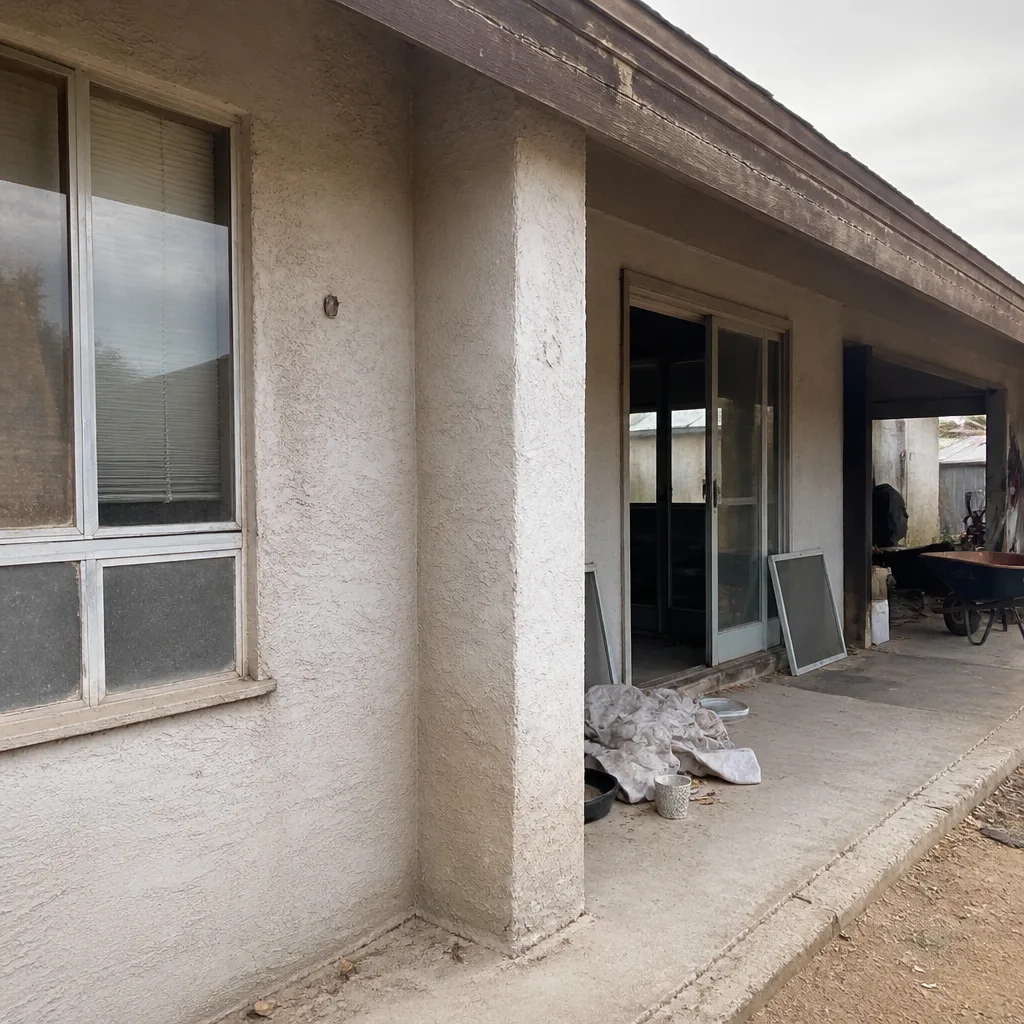 Before
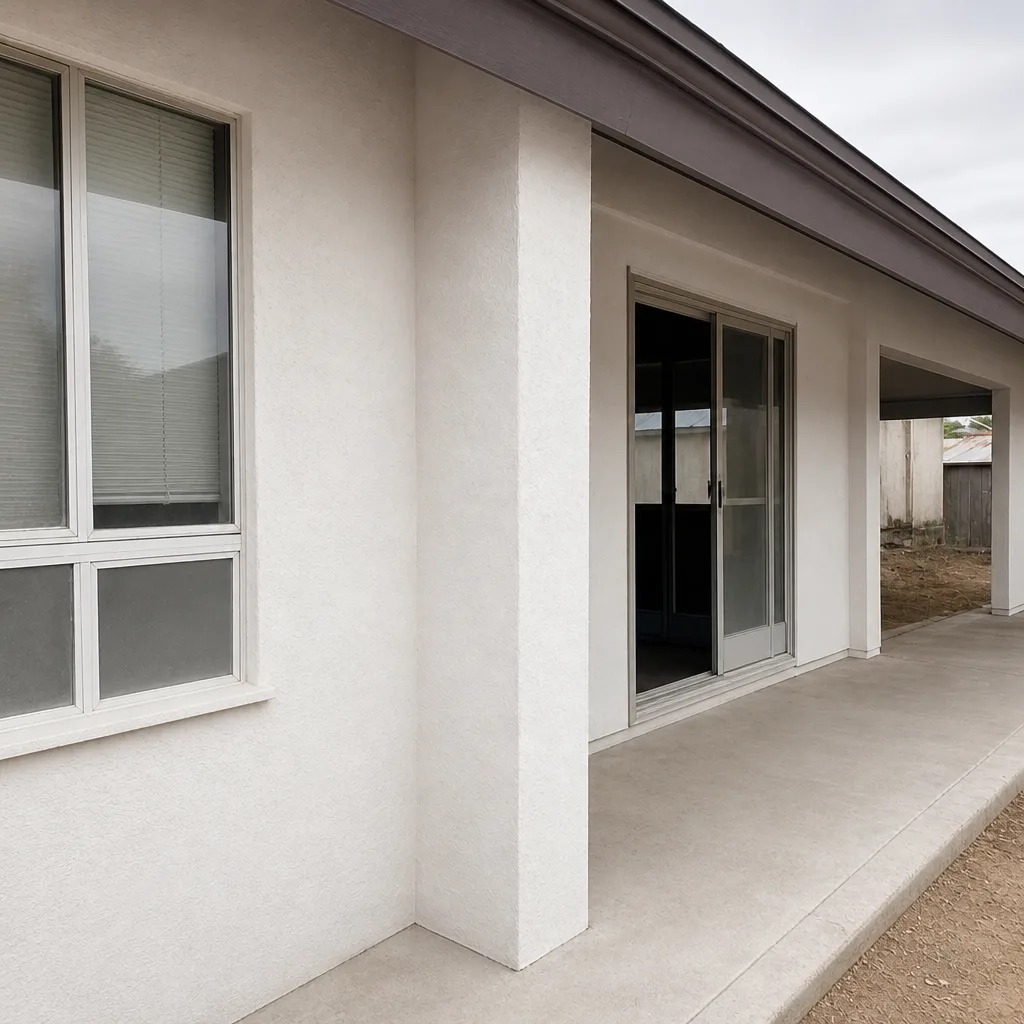 After
Table of Contents
- Reading the paint wear pattern as a diagnostic map
- Three draft sources and how to isolate each in five minutes
- What lock and deadbolt misalignment tells you about frame movement
- Hinge adjustment, threshold adjustment, or plumb correction
- Using the original installation photo record as evidence
- Why Boulder City doors behave the way they do
- Common mistakes to avoid
- Frequently asked questions
Reading the Paint Wear Pattern as a Diagnostic Map
The paint and finish on a door slab is a record of every place that slab has been rubbing. Look at the strike jamb (the side away from the hinges) and the head of the frame. A clean, symmetric wear line along the full edge means the door is sitting square in its opening and any problem is hardware. An asymmetric pattern is a map, and it points to the frame rather than the door.
Here is how to read it:
- Wear at the top corner opposite the hinges: the hinge jamb is leaning into the opening at the top. The frame is out of plumb, and the door is sagging as it swings. This is the most common pattern we see on doors installed four to eight years ago in Boulder City homes.
- Wear along the full strike edge, heavy at the bottom: the frame has settled on the hinge side and the door is riding low. Often a foundation or threshold story, not a door story.
- Wear at the lock stile only, near the deadbolt: the frame has moved horizontally, and the door is now hitting the stop at the point of least tolerance. The deadbolt will usually tell the same story.
- Scuffing across the face of the slab near the hinges: the door has dropped on its hinges. Hardware, not frame. Hinge screws back out or the hinge leafs have worn.
Take a photo of the wear pattern before you touch anything. That photo is your baseline, and it’s the same kind of evidence that lives in a documented install record. We’ve used exactly this method on Door Installation in Boulder City callbacks, and it shortens the diagnosis to about ten minutes.
Three Draft Sources and How to Isolate Each in Five Minutes
Air comes into a house through a door in only three places: the sill (bottom), the jamb (sides), and the threshold seal where the door slab meets the sill. Each source produces a different symptom and each has a five-minute test. Run them in order; the first positive result is usually your answer.
- Sill gap test. Close the door on a dollar bill at three points along the bottom – hinge side, center, strike side. If the bill slides out with no drag at any point, the door is not compressing the sweep. That means the sweep is worn, the door has dropped on its hinges, or the threshold has settled. Note which point gives the loosest pull.
- Jamb gap test. With the door closed, run your hand slowly down both jambs from head to sill. A jamb draft almost always shows up at the top corner, where the frame has pulled out of plumb. If the draft is only at the top corner, you have a frame problem, not a weatherstrip problem.
- Threshold seal test. Lay a strip of tissue on the floor just inside the threshold and close the door. If the tissue flutters or moves within a minute, air is coming over the seal rather than under the door. The threshold needs adjustment or replacement, not the sweep.
Each test takes about ninety seconds. Do not skip the tissue test; it’s the one homeowners miss, and it’s the one that separates a $20 sweep replacement from a $200 threshold correction. In Boulder City, the dry climate makes sweeps brittle ahead of schedule, so a failed sweep at year six is normal and does not indicate an install problem.
What Lock and Deadbolt Misalignment Tells You About Frame Movement
The deadbolt is the single most sensitive instrument on the door. If the bolt slides home without touching the strike plate, the frame has not moved. If it takes a shoulder or a lift of the doorknob to seat, the frame has moved – and the amount and direction of that movement matter.
Here is the measurement to take. With the door closed and latched by the knob, mark the deadbolt’s tip position against the strike plate with a pencil. Open the door, look at the strike plate hole, and note whether the mark sits above, below, or to the side of the center of the hole. That offset, in millimeters, is your frame movement number.
- Bolt hits the top of the strike: the door has dropped on its hinges or the frame has settled on the hinge side. Hinge adjustment first.
- Bolt hits the bottom of the strike: the door has been lifted, usually by a warped slab or a threshold that has risen. Threshold adjustment first.
- Bolt hits the front or back of the strike: the frame has moved horizontally – the strike jamb is no longer in the same plane it was on day one. This is a plumb correction, not a hardware fix.
A tolerance of about 2mm is normal seasonal movement and does not need correcting. Anything over 5mm is telling you the frame has changed shape, and the door will keep binding until the frame is brought back to plumb. That measurement is the difference between fixing the problem and chasing it for two years.
Hinge Adjustment, Threshold Adjustment, or Plumb Correction
Binding has three possible fixes, and the wrong one costs money without solving anything. The wear pattern and deadbolt offset from the previous sections tell you which one you’re facing. Of those three, only two are within reach of a careful homeowner – we’ll say plainly which one is not.
Hinge adjustment (homeowner-safe)
If the wear pattern shows the door has dropped on its hinges and the deadbolt offset reads as “bolt hits top of strike,” you’re looking at a hinge adjustment. Tighten the top hinge screws, then check the bottom hinge for a stripped hole. A stripped screw hole can be packed with a length of wooden dowel and glue, re-drilled, and re-driven. Work slowly and check the door swing every quarter turn of a screw. No more than half a turn on any screw at a time.
Threshold adjustment (homeowner-safe)
If the draft test points to the sill and the threshold has a height-adjustment screw (most modern ones do), turning it clockwise raises the seal against the sweep. Two full turns, close the door, run the dollar-bill test again. Repeat as needed. If the threshold has no adjustment or is cracked, it needs replacement rather than adjustment.
Plumb correction (call a professional)
If the deadbolt offset is horizontal – the bolt hits the front or back of the strike – or the wear pattern shows the top corner rubbing on the strike jamb, the frame itself is out of plumb. Correcting it means pulling the casing, shimming the jamb back to level and plumb, and resetting the frame. Do not attempt this yourself. A door that comes out of its opening under load is a serious hazard, and re-plumbing a frame without the right tools and a helper can crack the surrounding drywall, break the frame, and leave the door unable to close at all. This is the repair where the original install record matters most.
Using the Original Installation Photo Record as Evidence
Memory is a terrible witness. “It never did that before” tells you nothing about whether the door was plumb on day one or was three millimeters out at install and just hasn’t gotten worse yet. A documented photo record does.
When a job is done under the Haven Standard, the finished work leaves a photo record – head jamb level, hinge jamb plumb, threshold sealed, strike plate aligned. Every visit by our team generates that record, and every customer keeps it. That document is the reason our written quote and our measured survey are the same piece of paper; the record is the receipt that the numbers were achieved.
When you’re troubleshooting a door two or five or eight years after install, pull that record up. Compare:
- The deadbolt offset you measured today against the strike plate in the install photo.
- The gaps at the head and sides against the install photo.
- The threshold and sweep condition against the install photo.
If the door was aligned in the record and is out of alignment today, you have evidence that the frame has moved, and the fix is a frame correction. If the door was slightly off in the record, you have evidence that a warranty claim is appropriate and the installer is on the hook for the repair. Either way, you’re not arguing from memory. That’s the case for documented evidence over recollection, and it’s why we don’t consider a job finished until the record exists.
Why Boulder City Doors Behave the Way They Do
Boulder City sits at about 2,500 feet in the Mojave, and the diurnal swing in a single day can run thirty degrees. Doors here live through real expansion and contraction, and the swing exposes any installation that was marginal from the start. A door that was plumb in April will read out of plumb by August, and if the frame wasn’t shimmed and anchored correctly, it will not come back to where it started.
Two local patterns are worth calling out:
- Threshold seal failure on west-facing doors. Doors facing west take direct afternoon sun and the vinyl threshold seal ages out faster on that side. We see threshold failures on west doors in Boulder City about two years ahead of east-facing doors on the same home.
- Jamb drafts on north-facing doors. North-facing doors in Boulder City see the cold-air draft first; the frame pulls back at the top corner as the days shorten, and the draft shows up there before it shows anywhere else.
- Impact-rated product matters. If you’re reconsidering a door that has failed, an impact-rated door from a line like CGI or ES Windows is built with a heavier frame and stiffer anchoring, and it holds plumb better through a Boulder City summer than a builder-grade slab door. Window Installation in Boulder City follows the same logic – the framing and the anchor pattern do the work, not the trim.
One more local note: if you’re replacing a door rather than repairing it, the framing on older Boulder City homes (particularly pre-1990 stock) is not always plumb from the original construction. On Window Replacement in Boulder City we routinely find the same problem. The measured survey catches it before the quote is written, which is why the price on the sheet is the price on the invoice.
Common Mistakes to Avoid
- Replacing the weatherstrip first. It’s cheap and it feels productive, but if the draft is at the top corner of the jamb, the weatherstrip was never the problem. You’ll spend about $40 and spend another weekend on the same door.
- Forcing a binding door closed. A door that needs a shoulder is a door whose frame is moving, and forcing it accelerates the wear on the hinges and the strike plate. If it doesn’t close with a light push, stop and diagnose.
- Adjusting the threshold while the door is open. The dollar-bill test is the only reliable measure, and it only works with the door closed on the bill. Adjusting in the open position and closing afterward will usually over-lift the sweep and make the door bind at the bottom.
- Ignoring a deadbolt that won’t seat. Homeowners overlook it because the knob latch still catches. That ignored offset is the earliest, clearest signal of frame movement, and it’s the one that saves you a full re-plumb if you act on it within a season.
- Assuming normal movement means nothing needs doing. Seasonal movement is normal; a mounting offset over five millimeters across seasons is not. The difference is what a written install record settles.
- Hiring the installer before getting the second opinion. If you’re facing a repair that costs more than $400, bring your written estimate to us for a free second review before you sign. On doors in Boulder City we’ve caught quotes for full replacement where the actual problem was a $180 hinge and threshold correction.
- Skipping the photo record at install. “It’s been fine since we moved in” is not evidence. The next owner of the house will want the record, and so will the warranty claim.
When to Call a Professional
Call a professional for any horizontal deadbolt offset, any binding that persists after a hinge adjustment, any crack at the door casing or the corners of the opening, and any door that swings open or closed on its own. Those are frame problems. Call too for any door you can’t lift safely with a helper, and for any door in a load-bearing exterior wall where the drywall or stucco around the opening is showing a crack. Sightline Windows & Doors Boulder City offers free estimates in Boulder City – call (833) 847-4018 to schedule yours. Our technicians have up to 14 years of experience, are background-checked and uniformed, and are identified by license number before arrival. If you’re reading this from outside Boulder City, the same diagnostic rules apply, and our Sightline Windows & Doors Boulder City home page collects the free-estimate details in one place.
Frequently Asked Questions
The hinge jamb is not plumb and the frame is racking over the seasons. The summer heat expands the door slab and the frame, closing the clearance at the top corner; winter contraction opens the gap at the bottom. Replacing the weatherstrip will not fix it. Call (833) 847-4018 for a free estimate – we’ll measure the frame plumb and show you whether a frame correction or a full door replacement is the honest answer.
Hinge tightening and threshold adjustment are within reach of a careful homeowner. Frame plumb correction is not. If your deadbolt hits the front or back of the strike plate, or the top corner of your door rubs the strike jamb in summer, it’s a frame correction – call a professional. Call us at (833) 847-4018 for a free estimate before you spend money on parts that won’t solve it.
Most repairs run one of three ranges. Hinge adjustments are typically $120 to $220. Threshold and sweep replacements run roughly $180 to $320, and full frame plumb corrections run $350 to $650 depending on the opening. Replacement doors, if that’s the right answer, are quoted from a measured survey rather than an estimate. Call (833) 847-4018 for a written price before any work starts – the written quote is standard, not a promotion.
No. Under Haven Clause 1, the written price you receive before any work starts is the price on the invoice. If the measured survey uncovers a problem the survey couldn’t see, we stop and re-quote before touching the door. Call (833) 847-4018 to get the written price in hand.
Yes, where permits are required for a door replacement on an exterior opening. The permit responsibility sits with the licensed professional doing the work, and we confirm it in writing on the quote. Repairs (hinge, sweep, threshold) generally don’t require a permit. Call (833) 847-4018 and we’ll tell you exactly which category your job falls in.
We’ll still diagnose it. Bring the original estimate, the install record if you have one, and the photos you’ve taken of the wear pattern, and we’ll review it under our free second opinion on any written estimate. If the original installer is still in business, that record is your warranty evidence. Call (833) 847-4018 to schedule the review.
The Bottom Line
Most door problems are readable from the evidence the door leaves behind: the wear pattern on the slab, the three draft tests, and the deadbolt offset against the strike plate. Those three readings tell you whether you’re facing a hinge adjustment, a threshold adjustment, or a frame plumb correction – and only two of those three are homeowner work. Boulder City’s heat swing makes the difference in season, not in kind. The install photo record is the strongest evidence you have, which is why we put one on paper for every job and hand it to the customer. Written price before work starts, and a record when it’s done, are the whole point.
If your door is telling you it needs a professional read, call us. Estimates are free, and the written price reaches you before anyone lifts a tool.
Call (833) 847-4018 to schedule your free estimate.
Written by the team at Sightline Windows & Doors Boulder City.
Six Reasons Homeowners Choose Sightline Windows & Doors Boulder City
Laminated glass and reinforced frames hold up to wind-driven rain, hail and flying debris, so your openings stay sealed when the weather turns.
Low-E insulated impact glass from our manufacturer lines commonly cuts monthly cooling bills 20-30%.
Laminated impact glass shuts out up to 40% of outside noise - traffic, neighbors, weather.
Monitoring services run $30-90 a month. Laminated impact glass resists forced entry around the clock, with no subscription.
Tighter seals and insulated glass even out hot and cold rooms and stop the drafts at the frame.
A full impact package upgrades curb appeal, buyer confidence and appraised value in one project.
Other Sightline Windows & Doors Boulder City Services
What Neighbors Say About Sightline Windows & Doors Boulder City