Last updated November 17, 2026
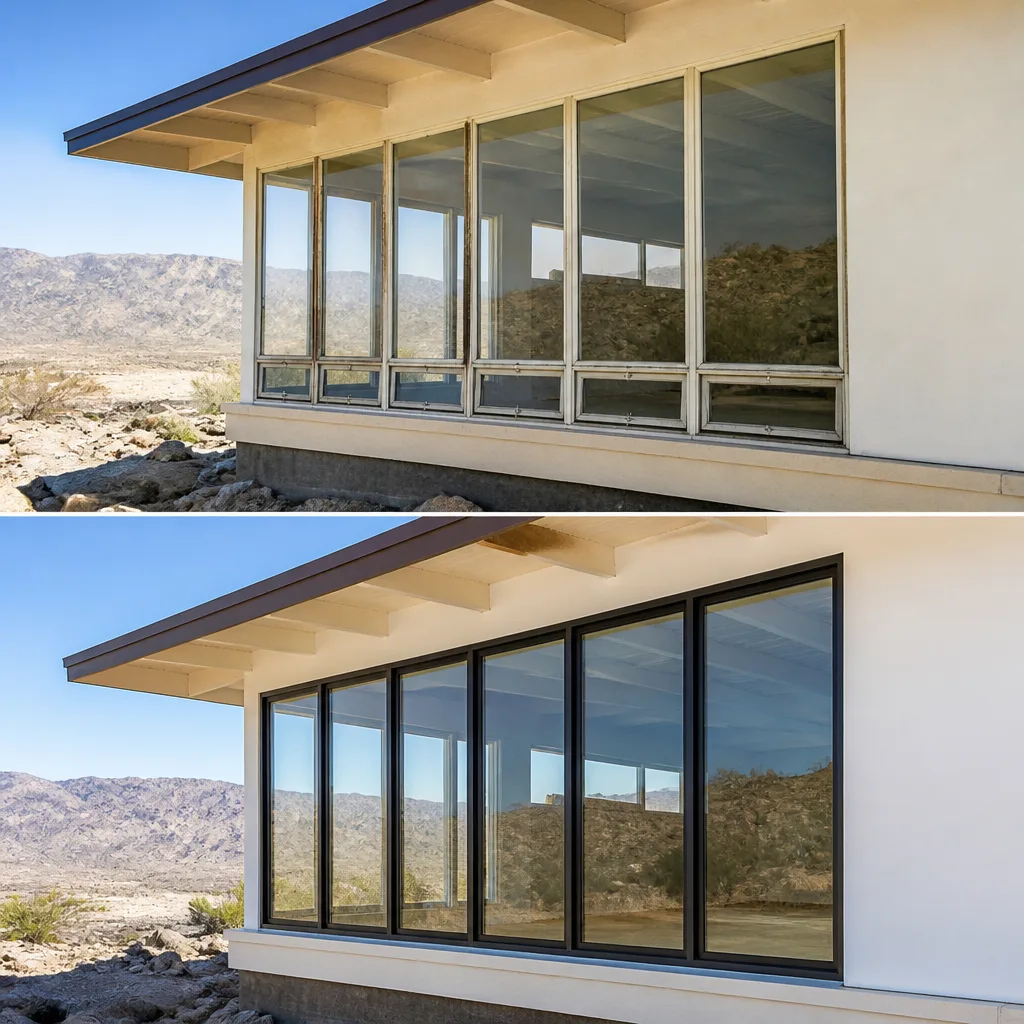
New windows and doors improve comfort, cut energy bills and add long-term value to your home. Sightline Windows & Doors Boulder City pairs proven product lines with a local vetted installing partner for lasting performance - and a price put in writing.
Choose your installer
The unit is half the job - the install is the other half. Background-checked local installers measure, set, seal and insulate every opening, and they know the lines we quote inside and out.
Select the right products
Compare styles, materials and glass packages side by side until the fit is right for your rooms, your budget and your goals. The product-line comparison below is the place to start.
Prepare your home for install
Before install day we walk you through a short checklist - furniture pulled back, treatments down, a clear path to each opening - so install day is watch-it-happen, not scramble.
Compare the Lines We Quote
Every project is priced on the same lines, side by side - the price indicators below are relative, and your consultant shows exact numbers on your actual openings.
PGTThe line homeowners arrive naming - the most impact certifications in the industry$$$
- More impact certifications than any other line we quote
- WinGuard, EnergyVue and ClassicVue Max systems built for every wind zone
- 99% on-time delivery keeps your install date on the calendar
CGIThe heavyweight impact line$$$$$
- Large-missile impact ratings for the strictest wind zones
- Architectural-grade aluminum with commercial-depth frames
- The line we quote when protection is the whole point
CWSThe value pick$$
- Vinyl systems built to strict wind codes
- Strong energy packages at the friendliest price point
- The smart start for whole-home replacements on a budget
ESWSlim lines, big glass$$$$
- Narrow-sightline aluminum for modern elevations
- Oversized openings and floor-to-ceiling glass
- Impact-rated without the bunker look
ECOThe aluminum impact workhorse$$$
- Factory-built aluminum impact systems
- A strong price-to-protection ratio for coastal homes
- Proven lines with short lead times
Window Installation Troubleshooting: Common Problems and How to Fix Them
A fogged window gets blamed on the glass almost every time. The homeowner calls the manufacturer, hears “failed seal,” and starts pricing a replacement for something that may have been broken by the crew on install day. When we survey windows in Boulder City, we find racked frames – a frame forced out of square during installation – behind a surprising share of “defect” complaints. The product rarely failed. The install did, and the warranty clock on that defect started the day the crew packed up. This guide teaches you to read the evidence your windows are leaving behind.
Quick Answer

Most window installation problems trace back to installation defects, not product failures: a racked frame stresses the glass seals, missed flashing layers let water into the wall, and skipped shims cause drafts and sagging sashes. You can identify which problem you have with a tape measure, a stick of incense, and a close look at your drywall and glass – and the original invoice line items tell you what was and wasn’t supposed to be installed.
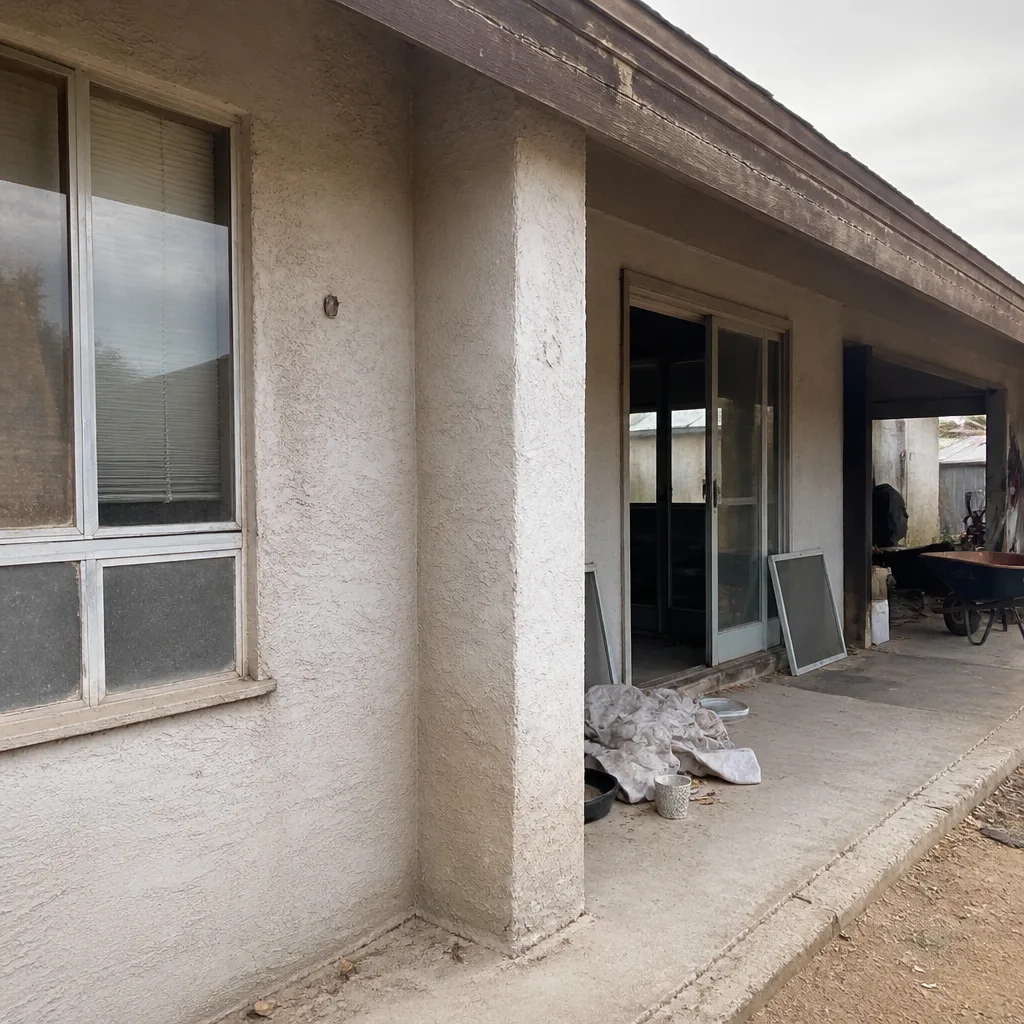 Before
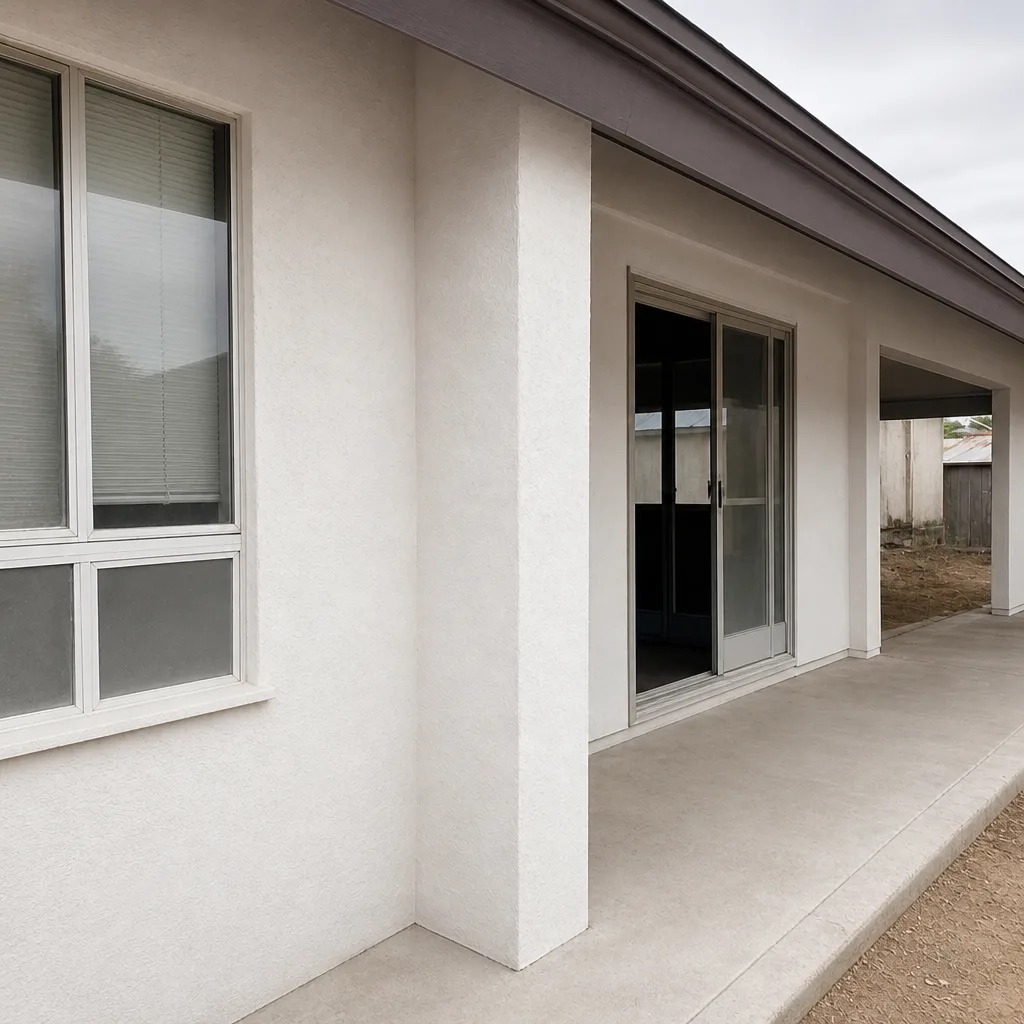 After
Table of Contents
- Racked Frame vs. Failed Seal: The Two-Minute Test
- How to Trace a Draft to Its Exact Source
- Reading Water Stains to Find the Missing Flashing Layer
- Hard-Water Deposits vs. Etching: Why the Difference Costs You Money
- Sticking Sashes, Failed Locks, and Poor Operation
- Condensation Inside the Glass vs. on the Glass
- The Documentation You Need Before Calling Anyone
Racked Frame vs. Failed Seal: The Two-Minute Test
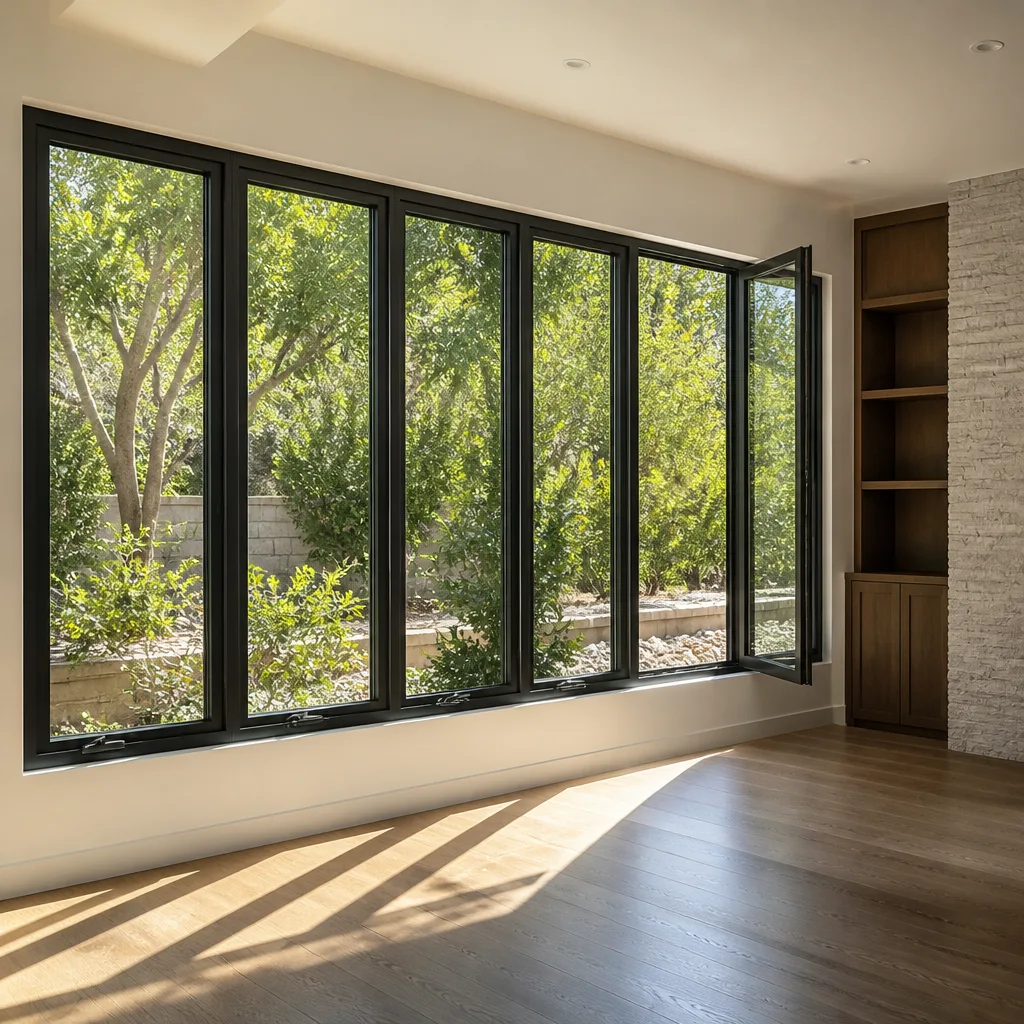
A racked frame is a window frame that was installed out of square. Tilt it a fraction of an inch and the glass unit inside it carries that twist forever. The corner seals on an insulated glass unit, or IGU – the sealed sandwich of two panes with gas or air between them – sit under constant stress, and over a few heating and cooling seasons the seal gives. The moisture that fogs the glass is the symptom. The twisted frame is the cause.
Here’s the test. You need a tape measure and a pencil. Run it before you call anyone.
- Open the window so you can reach both inside corners of the frame.
- Measure diagonally from the top-left corner of the frame opening to the bottom-right corner. Write the number down.
- Measure the other diagonal, top-right to bottom-left. Write that number down too.
- Compare them. On a properly set frame, the two diagonals should match within about 1/8 inch, and often closer.
- A difference of 1/4 inch or more means the frame is out of square. That’s a racked frame, and it points at the installation, not the glass.
Run the same check on the sash itself while it’s open. Also look at the reveal – the even gap between the sash and the frame on all four sides. An uneven reveal, tight at one corner and wide at the opposite, confirms the frame is twisted. In Boulder City, where summer highs routinely push past 100°F and the desert swing back to cold winter nights is severe, a racked frame moves more than it would in a mild climate. The seals take more stress per year here. That’s why we measure diagonals on every survey, not just on complaint calls.
How to Trace a Draft to Its Exact Source
Most people feel a draft and assume the whole window leaks. In practice, air infiltration has four common entry points, and the fix is different for each. Light a stick of incense, let it smolder, and walk the flame slowly around the perimeter of the closed window while the HVAC fan runs and outdoor air is moving. Watch the smoke. It bends toward the leak.
- Sill leak: smoke pulls down at the bottom edge. Often a missing or compressed sill pan, or a rough opening that wasn’t shimmed correctly, letting the frame settle.
- Jamb leak: smoke draws sideways at the vertical edges. Usually a missed bead of sealant in the rough opening gap, or an expanding-foam job that was overfilled and bowed the jamb.
- Head leak: smoke rises at the top. Check the head flashing. On many of the replacement windows we correct in Boulder City, the top flashing was run behind the building paper instead of over it – the wrong sequence, and water and air both get in.
- Exterior casing leak: the draft only shows when wind hits a specific side of the house. The gap is outside, at the casing or trim, and interior sealant won’t fix it.
Write down which side bends the smoke. That one sentence – “draft at the head, north-facing bedroom window” – is worth more to whoever inspects the window than any description of how it feels. It tells the installer exactly which layer to open up.
Reading Water Stains to Find the Missing Flashing Layer
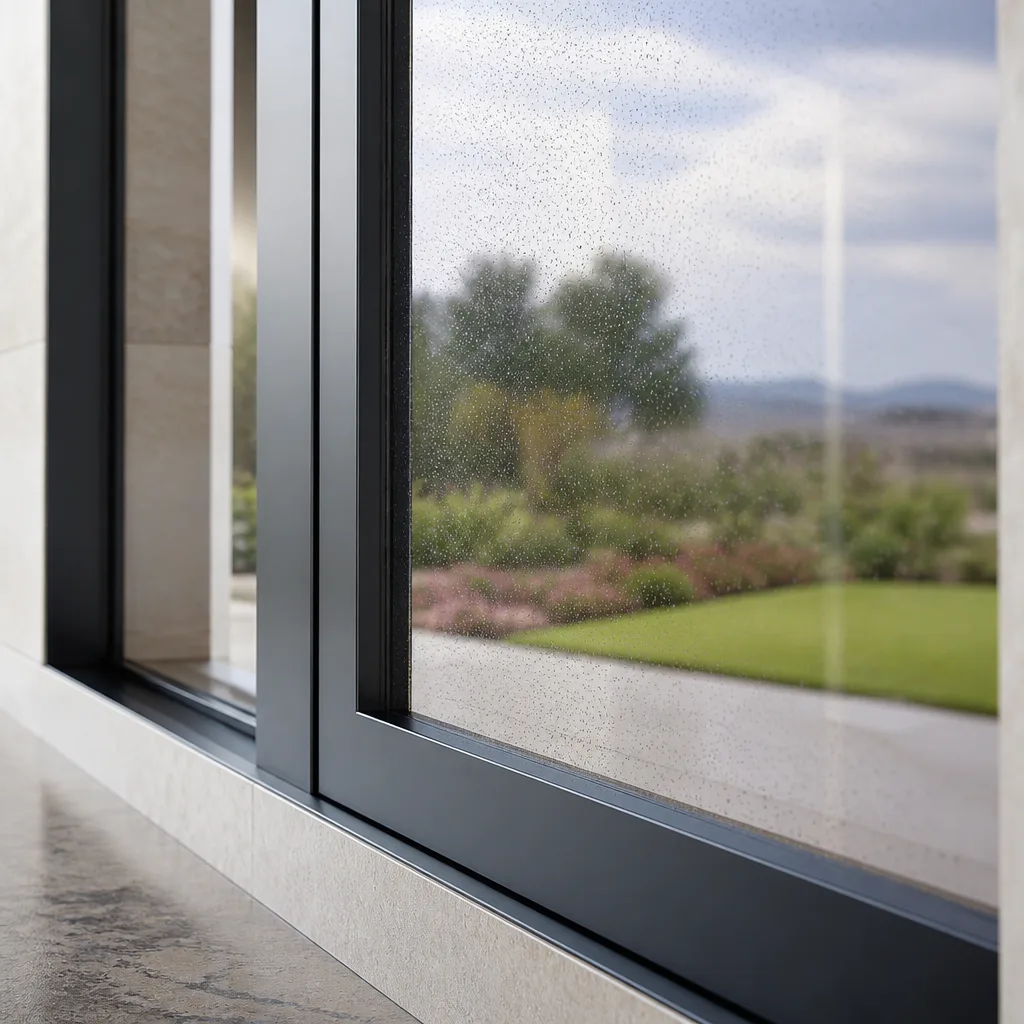
Water stains don’t lie, but they get misread. The shape and location of the stain tells you which layer of the water-management system failed and roughly when in the install sequence it went wrong. Flashing is the sequence of materials – sill pan, building paper, head flashing, casing – that sheds water down and out in a specific order. Get the order wrong and the window is waterproof on paper only.
What to look for on the interior drywall and trim:
- A stain spreading up from the bottom corners: the sill pan is missing, backward, or not lapped correctly. Water pools at the sill and wicks up into the drywall.
- A fan-shaped stain high on the wall, near the head: head flashing installed in the wrong sequence. Water runs down behind the siding or stucco and finds the interior.
- A narrow vertical stain down one side: a jamb flashing or sealant gap, or a window set with the frame proud of the wall plane on that side.
- Staining that appears only after wind-driven rain from one direction: a casing or exterior seal failure, not an interior one.
Note that Boulder City sees sudden, short, intense rain events more than long soaking storms, and stucco exteriors dominate many neighborhoods. Stucco hides a lot of shortcut flashing work until the first hard storm finds it. Take a photo of the stain with a tape measure held alongside it for scale. Stain height and width matter when you compare it to the flash pattern months later – and when you hand the evidence to an installer or a warranty rep.
Hard-Water Deposits vs. Etching: Why the Difference Costs You Money
Two windows can look equally cloudy and need completely different responses. Hard-water mineral deposits sit on the surface of the glass and can be dissolved and removed. Etching is the glass itself being chemically eaten away, and no cleaner restores it. Confusing the two turns a free cleaning job into a full glass replacement, or the reverse – a homeowner scrubs an etched pane for a weekend and makes it worse.
Here’s how to tell them apart:
- Run a fingernail across the cloudy patch. If you can feel a slight raised texture, it’s mineral deposit sitting on top.
- Clean a small test spot with a soft cloth and a drop of white vinegar. If the haze lifts, it’s hard water. If nothing changes after a few passes, treat it as etching until a pro says otherwise.
- Look at the pattern. Hard water deposits track where water sat or ran – corners, sill edges, spots left by sprinklers. Etching follows the same damage on every pane in the unit, because it happened to the whole surface at once.
Where does etching come from on a brand-new window? Masonry and stucco residue, acidic cleaners, or mortar haze wiped off too late with an aggressive product. It’s an installation-day cleanup problem, and it’s one of the reasons our protocol on every job runs the same way each time: a documented photo record on every visit, including the glass before the crew leaves. If the glass arrives clean and leaves clean, the record shows it. When you’re evaluating any installer in Boulder City, ask whether they photograph the glass condition at handoff.
Sticking Sashes, Failed Locks, and Poor Operation

A window that sticks, grinds, or won’t latch has a specific cause most of the time, and it’s usually correctable without replacing the unit.
- A sash that sticks at one corner: almost always the racked frame from section one. Confirm with the diagonal measurement before doing anything else.
- A sash that drags all along one side: the frame is level but the sash hardware or balance is misaligned. Check the balance mechanism – the spring or tension device that holds the sash up.
- A lock that won’t catch: the sash isn’t sitting flush in the frame, or the keeper is installed a few millimeters out of position. A sloppy install leaves locks misaligned from day one.
- Grinding or popping on a slider: the track is out of level or the rollers are worn. A slider installed level tracks smoothly for years; one installed on a slope starts grinding early.
When we replace windows in Boulder City, the operation check happens before the crew calls the job done: open, close, latch, and lock every operating unit, then note it in the photo record. A window that doesn’t operate right from day one is a warranty issue and should be documented that same afternoon, not discovered in a bedroom two summers later. Don’t force a stuck sash; you’ll bend the frame or snap the operator arm, and now you have two problems.
Condensation Inside the Glass vs. on the Glass
Fog between the panes means the IGU seal has failed and moisture has entered the sealed cavity. Fog, droplets, or a hazy film on the room-side surface means ordinary condensation from indoor humidity meeting cold glass. These are not the same problem, and they don’t get the same fix.
Inside the sealed unit: the glass has to be replaced or the unit replaced. Before you accept the “failed seal, manufacturer defect” story, check the frame for racking. A twisted frame is the most common stress source on the corner seals, and if the frame is racked, a new IGU will fail the same way.
On the room side: the window is doing its job, and the moisture is coming from the air in the room. Bathroom and kitchen windows fog hardest in winter. Reducing indoor humidity fixes it. If a particular window in a Boulder City home fogs on the room side year-round while its neighbors don’t, that window runs colder for a reason – a thermal break gap, a missing weatherstrip, or a frame with a cold-bridge problem.
While you’re looking at the glass, note the U-factor – the number that measures how much heat the window lets through – on your original invoice. A lower U-factor means a better insulated unit, which reduces both heat gain and room-side condensation. Knowing that number now saves you time when you’re two years in and trying to remember what you bought.
The Documentation You Need Before Calling Anyone

Before you pick up the phone, put together a small file. The right evidence cuts a service call in half and settles warranty arguments before they start.
- Photos: the fogged glass or the stain, a wide shot of the whole window, a close-up of the frame corners, and the exterior casing. Include the tape measure in the stain and diagonal shots.
- Measurements: your diagonal readings, both numbers for both directions, and the scale of any stain.
- The original invoice: specifically the line items – product name and line, glass type, installation items like flashing and sealant included or not included, and the warranty terms. The invoice tells you what was supposed to be installed. That’s the baseline the installer is accountable to.
- A dated record of when the problem appeared: “draft became noticeable in March, stain appeared after the rainstorm last month.” A one-line chronology is worth more than a paragraph of description.
This is the same standard we hold ourselves to. Every job starts with a measured survey you keep, and the written quote cannot differ from the survey – that’s the founding principle at work in every Boulder City installation we do. The documentation exists before the first window is opened, not after something goes wrong. If you’re replacing windows in Boulder City, ask for the survey in writing. If an installer can’t produce one, you’ve already found the answer to a question you didn’t ask.
Common Mistakes to Avoid
- Blaming the glass before checking the frame. Measure the diagonals before you accept a failed-seal diagnosis. A racked frame at the root means a new IGU fails too.
- Caulking over a draft without finding the source. Smoke-trace the leak first. Sealing the wrong layer hides the cause and traps moisture.
- Assuming interior water stains mean interior leaks. The stain points at a missed flashing layer outside, in the frame or the wall assembly.
- Scrubbing hard-water haze until the glass etches. Test a small spot with vinegar first. If the haze doesn’t budge, stop; you’re working on glass damage, not a mineral deposit.
- Skipping the photo record on day one. When a problem appears after the installer’s gone, the documentation you took on day one is your only evidence. Take it while the light is good and the window is clean.
- Trusting an invoice with no line-item detail. A lump-sum price tells you nothing about what was supposed to be installed, so it’s useless when a warranty question comes up.
- Waiting through a full rain season to report water intrusion. Interior water staining from a missed flashing layer can spread with each storm. Report it after the first one and get the frame open.
When to Call a Professional
Some issues need a call. A racked frame with a failed IGU needs a trained installer to reset the frame and replace the glass together – the window won’t fix itself, and neither will a caulk gun solve it. Any interior water stain is worth a professional look, because what’s behind the drywall can’t be seen from the room side. If the frame is out of square by 1/4 inch or more, the fix involves the rough opening, the shims, and the frame itself. A window that won’t fully close and latch is a security and weather issue – don’t leave it open while you decide who to call. And if you’re less than fully comfortable up a ladder or on a high floor to check the exterior casing, leave it. Sightline Windows & Doors Boulder City offers free estimates in Boulder City and can read the evidence with you – call (833) 847-4018.
Frequently Asked Questions
Measure the frame diagonals before you do anything else. A fogged IGU with a frame out of square by 1/4 inch or more is a racked-frame install problem, not a product defect – the new glass has to go into a square frame or it will fail again. Run the two-minute diagonal test, then get an installer’s read on it. Call (833) 847-4018 for a free estimate on the fix.
A head-side draft usually points at missing or wrong-order head flashing, or an interior sealant gap that only shows when wind hits that side of the house. Smoke-test it to confirm which side of the window is leaking before anything is opened up. Call (833) 847-4018 and we’ll walk through it with your photos.
Replacement windows that keep the same opening and size often don’t need a permit, but like-for-like replacements in certain areas and any change to the opening can. Ask your installer before work starts and get the answer in writing. The written scope should say exactly what’s being installed and whether any permit applies – if an installer can’t put that in writing, that tells you plenty.
It depends on what’s wrong: a resetting of the frame, a new insulated glass unit, and flashing repairs carry different price ranges. Ask for a written, line-item price before any work starts. Sightline Windows & Doors Boulder City gives a written price before anyone touches the window, always – call (833) 847-4018 for a free estimate.
You can diagnose it – use the incense and the tape measure, take photos, and collect your invoice line items. The repair itself usually involves the frame, the rough opening, and the flashing layers, which means opening up the wall where that’s needed. Get a professional read before you open anything up. Call (833) 847-4018 for a free estimate.
Have photos of the glass or stain with a tape measure for scale, your two diagonal measurements, the original invoice line items, and a short dated account of when the problem appeared. That combination tells any installer which layer to open first, so the first visit is diagnosis, not guesswork. Call (833) 847-4018 to schedule the free estimate.
The Bottom Line
Most windows blamed for failing aren’t failing – they’re installed wrong, and the evidence is on the wall, in the glass, and in the two diagonals of the frame. Measure the diagonals, smoke-test the draft, photograph the stains, and find the invoice. When the frame is out of square, the flashing sequence is wrong, or the glass shows install-day etching, the decision to call a professional is settled by the evidence itself. At Sightline Windows & Doors Boulder City, every job starts with a measured survey you keep, and the written quote can’t differ from it. Call us at (833) 847-4018 for a free estimate.
Written by the team at Sightline Windows & Doors Boulder City.
Six Reasons Homeowners Choose Sightline Windows & Doors Boulder City
Laminated glass and reinforced frames hold up to wind-driven rain, hail and flying debris, so your openings stay sealed when the weather turns.
Low-E insulated impact glass from our manufacturer lines commonly cuts monthly cooling bills 20-30%.
Laminated impact glass shuts out up to 40% of outside noise - traffic, neighbors, weather.
Monitoring services run $30-90 a month. Laminated impact glass resists forced entry around the clock, with no subscription.
Tighter seals and insulated glass even out hot and cold rooms and stop the drafts at the frame.
A full impact package upgrades curb appeal, buyer confidence and appraised value in one project.
Other Sightline Windows & Doors Boulder City Services