Last updated November 17, 2026
New windows and doors improve comfort, cut energy bills and add long-term value to your home. Sightline Windows & Doors Boulder City pairs proven product lines with a local vetted installing partner for lasting performance - and a price put in writing.
Choose your installer
The unit is half the job - the install is the other half. Background-checked local installers measure, set, seal and insulate every opening, and they know the lines we quote inside and out.
Select the right products
Compare styles, materials and glass packages side by side until the fit is right for your rooms, your budget and your goals. The product-line comparison below is the place to start.
Prepare your home for install
Before install day we walk you through a short checklist - furniture pulled back, treatments down, a clear path to each opening - so install day is watch-it-happen, not scramble.
Compare the Lines We Quote
Every project is priced on the same lines, side by side - the price indicators below are relative, and your consultant shows exact numbers on your actual openings.
PGTThe line homeowners arrive naming - the most impact certifications in the industry$$$
- More impact certifications than any other line we quote
- WinGuard, EnergyVue and ClassicVue Max systems built for every wind zone
- 99% on-time delivery keeps your install date on the calendar
CGIThe heavyweight impact line$$$$$
- Large-missile impact ratings for the strictest wind zones
- Architectural-grade aluminum with commercial-depth frames
- The line we quote when protection is the whole point
CWSThe value pick$$
- Vinyl systems built to strict wind codes
- Strong energy packages at the friendliest price point
- The smart start for whole-home replacements on a budget
ESWSlim lines, big glass$$$$
- Narrow-sightline aluminum for modern elevations
- Oversized openings and floor-to-ceiling glass
- Impact-rated without the bunker look
ECOThe aluminum impact workhorse$$$
- Factory-built aluminum impact systems
- A strong price-to-protection ratio for coastal homes
- Proven lines with short lead times
Door Installation Maintenance Schedule: What to Do and When
Threshold seals in Boulder City’s UV environment degrade from the bottom up, starting at the exposed sweep edge. By the time a homeowner notices a draft, the compression set is already permanent and the seal needs replacement, not adjustment. Catching it at the compression-set stage – visible as a slight gloss loss on the rubber – costs $18 in materials and twenty minutes. This guide rebuilds the standard maintenance calendar around the order components actually fail under desert sun, not the tidy task-list order most checklists use, and it tells you what to photograph at each interval in Boulder City so your warranty file stays intact.
Quick Answer

In Boulder City, a door needs lubrication every 6 months, a full weatherstrip and sweep inspection every 12 months, and exterior sealant renewal every 24 to 36 months on south and west exposures. The single most useful habit is a photograph log taken at each interval: it proves condition at a point in time and it protects the warranty. Most door failures we see here are not sudden; they arrive in a fixed sequence, and each stage gives you a cheap window to intervene.
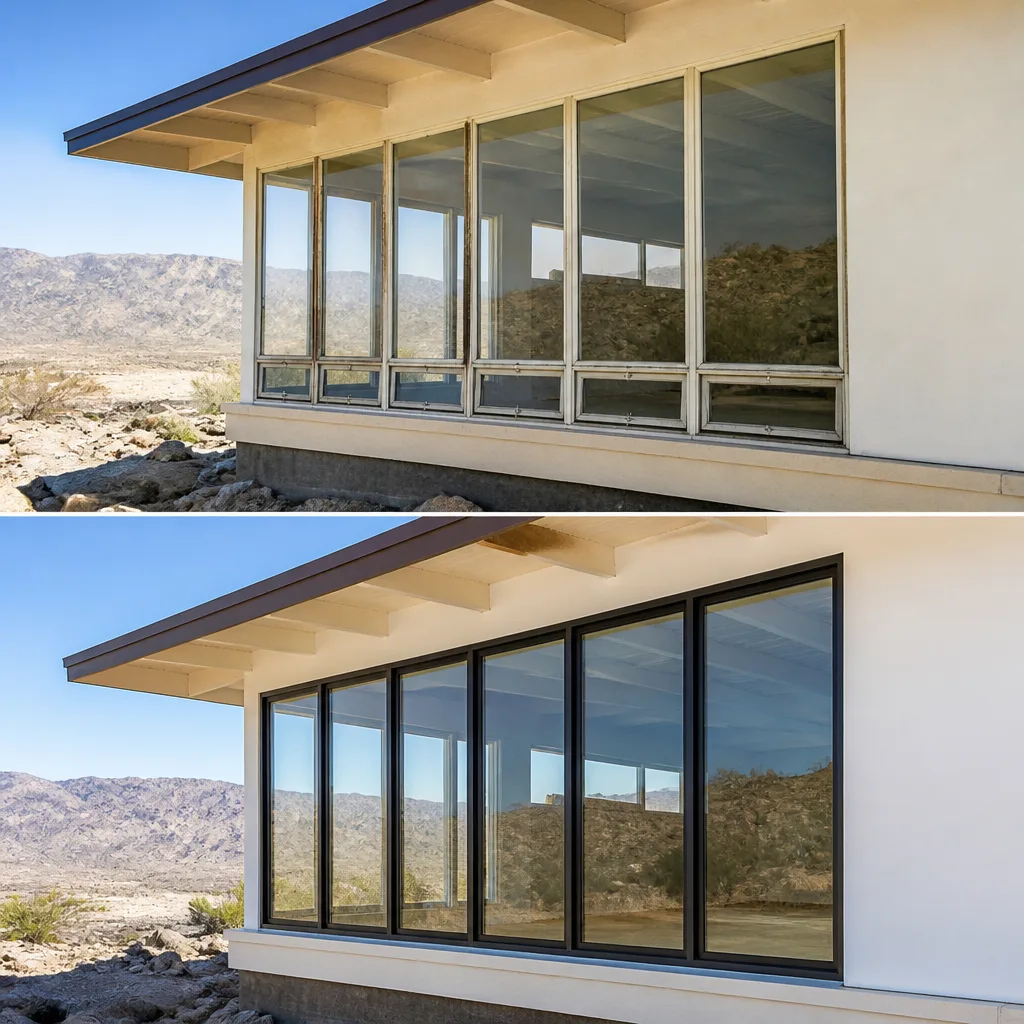
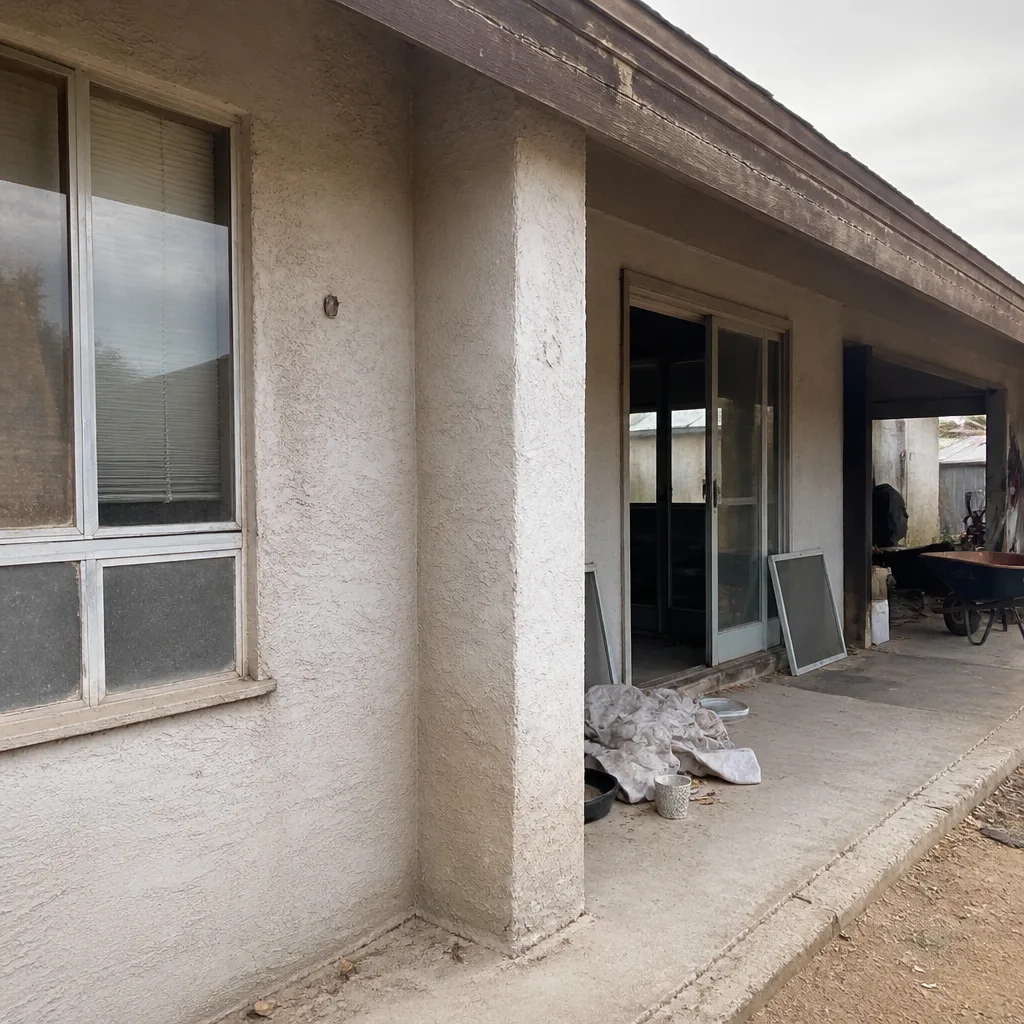 Before
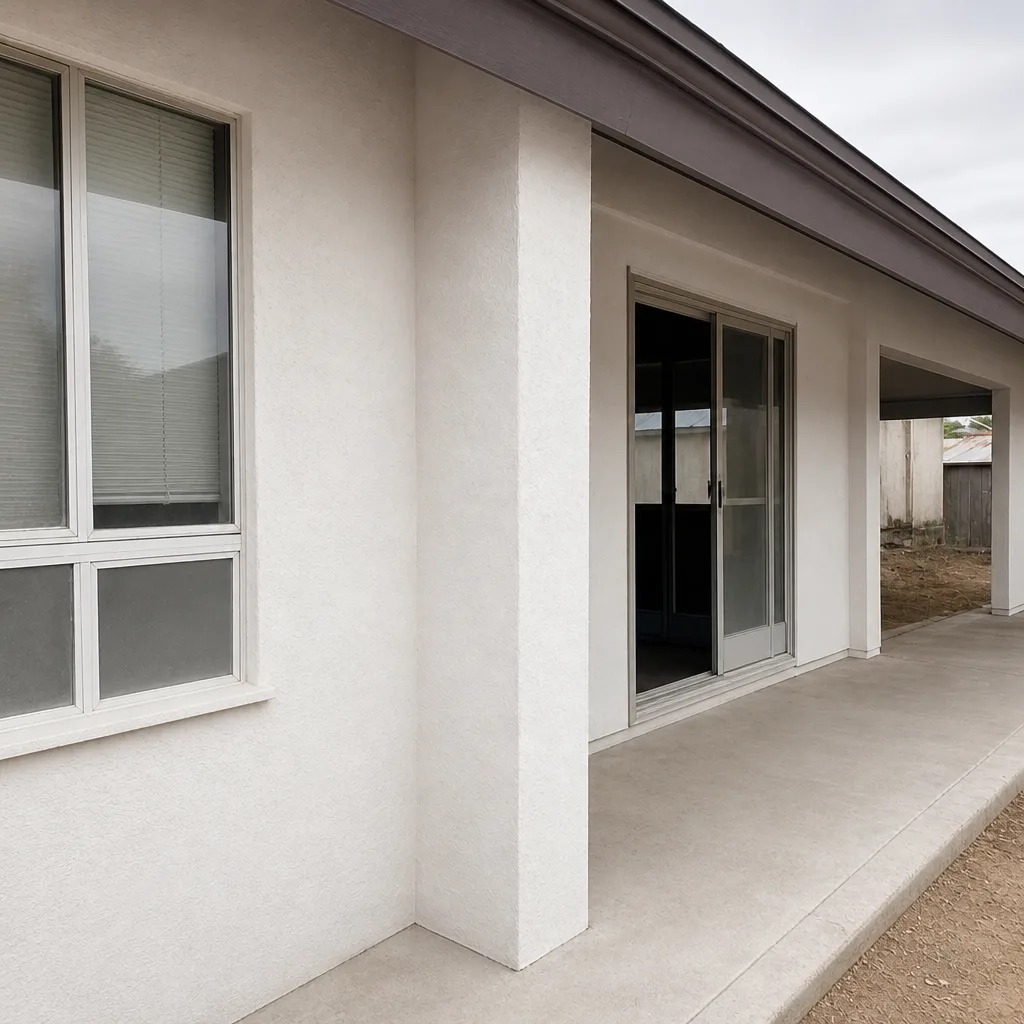 After
Table of Contents
- The Failure Sequence in Boulder City’s Climate
- The First 30 Days After Installation
- The Six-Month Lubrication Interval
- The Annual Inspection and Sill Pan Protocol
- Sealant and Casing Renewal on Sun-Exposed Walls
- Hardware Operation as a Frame-Plumb Test
- What to Photograph and Log at Every Interval
- When Maintenance Becomes Replacement
The Failure Sequence in Boulder City’s Climate
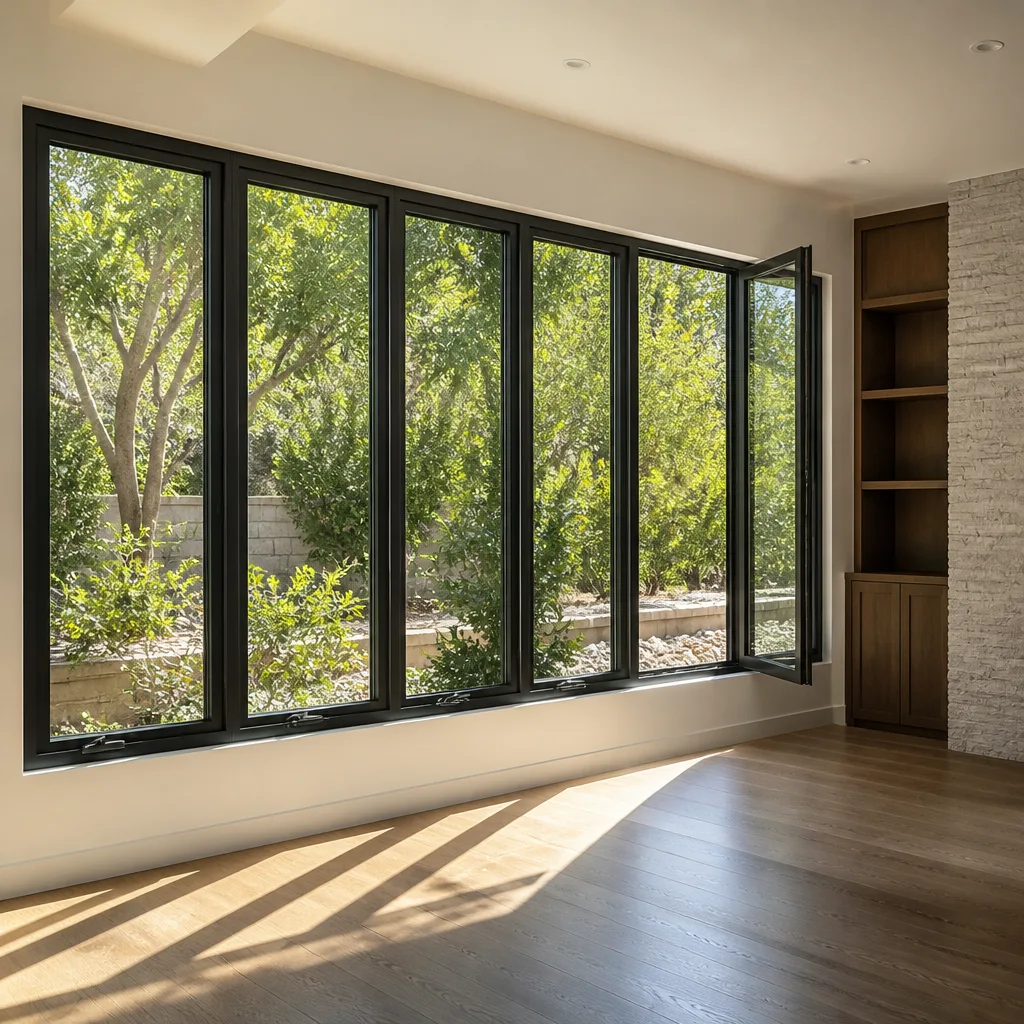
Boulder City averages roughly 290 sunny days a year and summer highs that routinely push past 105°F. That much ultraviolet radiation and that much dry heat attack door components in a predictable order, and knowing the order tells you what to check first and what a given symptom actually means.
Here is the sequence we’ve watched across thousands of openings:
- The door sweep. It sits lowest, closest to hot pavement and reflected light, and it has the thinnest material of any door component. The exposed edge glosses over and hardens first, typically within 12 to 18 months on a south-facing door.
- Exterior casing sealant. Caulk joints at the trim and frame shrink and crack as they cycle between 40°F winter mornings and triple-digit afternoons. Figure 24 to 36 months before renewal, faster on west walls.
- Weatherstrip compression. Once the sweep stops sealing and heat gets behind it, the door’s own weatherstrip takes the load. Compression set becomes permanent after roughly two years of that pattern, and at that point no adjustment brings it back.
- Hinge wear. Dry heat and wind-blown grit wear hinge pins and bushings slowly. This one runs on a longer cycle, four to seven years, but it accelerates when a door is out of alignment.
The point of organizing maintenance by this sequence: each stage is cheap to fix at the front and expensive at the back. A sweep at the gloss-loss stage is an $18 part. A full weatherstrip re-seal after two years of leaking heat is a bigger repair, and the energy penalty runs the whole time. For a closer look at how we specify doors for this climate, see Door Installation in Boulder City.
The First 30 Days After Installation
A newly installed door needs one check inside the first month, and it’s the check most homeowners skip because nothing looks wrong. New doors settle. Frame fasteners seat, the structure accommodates the new load, and hinge screws can back off a quarter turn. Catching that at day 30 is a five-minute adjustment; catching it at year two is a hinge replacement.
Here’s the list we hand every Boulder City customer after a door goes in:
- Operate the door and listen. Any rubbing at the strike jamb, any change in the feel of the latch, gets noted and reported.
- Check the reveal. The gap between door edge and jamb should be even top to bottom and side to side. A tapered gap in the first month is almost always settling, not a defective door.
- Test the sweep contact. With the door closed, run a hand along the bottom inside edge. Any daylight or a detectable draft means the sweep needs repositioning while it’s still under adjustment.
- Photograph day one. Take a full-frame shot of the door, a close-up of the sweep, and a shot of each hinge. That’s your baseline.
This is also the moment to confirm your paperwork. If you’re weighing installation options and want to understand what a proper measured survey and written scope look like before you commit, our overview of Sightline Windows & Doors Boulder City home lays out how the document and the install stay tied together. The Haven Standard requires that the measured survey and the written price are the same document, so there’s no ambiguity when you compare job to document at day 30.
The Six-Month Lubrication Interval
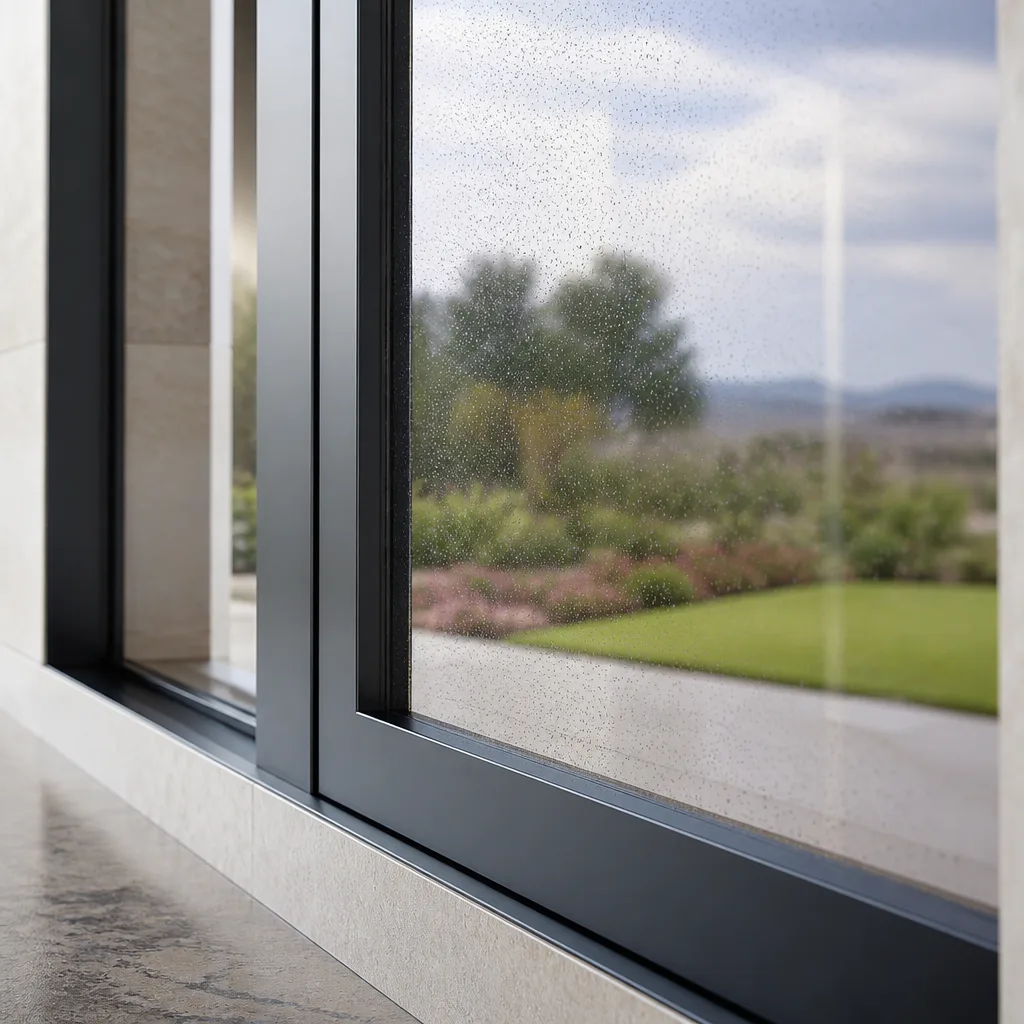
Lubricate door hinges and lock mechanisms every six months in Boulder City. That’s the interval. But the product matters more than the schedule, and this is where most DIY maintenance actively hurts a desert door.
Petroleum-based lubricants – the common spray cans – turn tacky as they dry and grab airborne dust. In a climate with this much wind-blown grit, that produces a sticky grinding paste inside every hinge barrel. The hinge wears faster than if you’d left it dry. Use a dry-film PTFE spray or a silicone-based lubricant instead. Both cure to a slick, non-tacky film that sheds dust rather than collecting it.
The six-month routine:
- Spray each hinge barrel with dry-film PTFE, then open and close the door several times to work it in. Wipe the excess. Don’t leave a visible film.
- Apply a graphite or silicone dry lubricant to the lock cylinder and latch bolt. Never use oil in a lock in this climate; the grit it collects will seize the pins.
- Check hinge screws with a screwdriver. Loose screws are the earliest sign of frame movement, and snugging them early prevents the hinge from wallowing out the mortise.
- Wipe down weatherstrip with a damp cloth and check for gloss loss. If you’re seeing the first signs of hardening, this is the moment to note it, not to replace it.
Six months is a reasonable default for a Boulder City door. West- and south-facing doors that take direct afternoon sun run hotter and can justify a quarterly check on the sweep and weatherstrip, though the hinge lubrication itself rarely needs to go faster than six months.
The Annual Inspection and Sill Pan Protocol
Once a year, inspect the door’s full perimeter and clear the sill pan. The sill pan is the part everyone underestimates in a low-rainfall climate. Boulder City gets maybe 5 inches of rain a year, but the rain it does get arrives hard and fast in monsoon season, and a sill pan packed with dust, grit, and leaf debris traps that water against the frame instead of letting it drain out the weep holes. That trapped moisture can sit for days after a storm.
Here’s the annual protocol, in order:
- Clear the weep holes. Find the small drain slots on the door’s outer threshold and clear them with a stiff wire or a pipe cleaner. Never cover or caulk a weep hole.
- Sweep the sill pan. Remove dirt, grit, and leaf litter from the threshold tray. Verify the pan slopes slightly outward so water runs to the weep holes.
- Inspect the weatherstrip all the way around. Look for the compression-set stage: gloss loss on the rubber, a flattened profile, or any spot where the strip no longer springs back when compressed with a thumbnail.
- Check the frame for water staining. Any discoloration at the interior floor or inner jamb face suggests the sill pan was trapping water at some point. Photograph it and investigate.
- Confirm the frame is plumb and square. The hardware test in the next section is the practical way to do this without a level and a helper.
If you want the fuller picture on how doors are sealed and drained at installation, our Window Replacement in Boulder City page covers the flashing and drainage principles that apply to door frames too. The trade vocabulary around thresholds – sill pan, weep hole, compression set – is worth knowing, because it lets you describe what you’re seeing to whoever you call.
Sealant and Casing Renewal on Sun-Exposed Walls
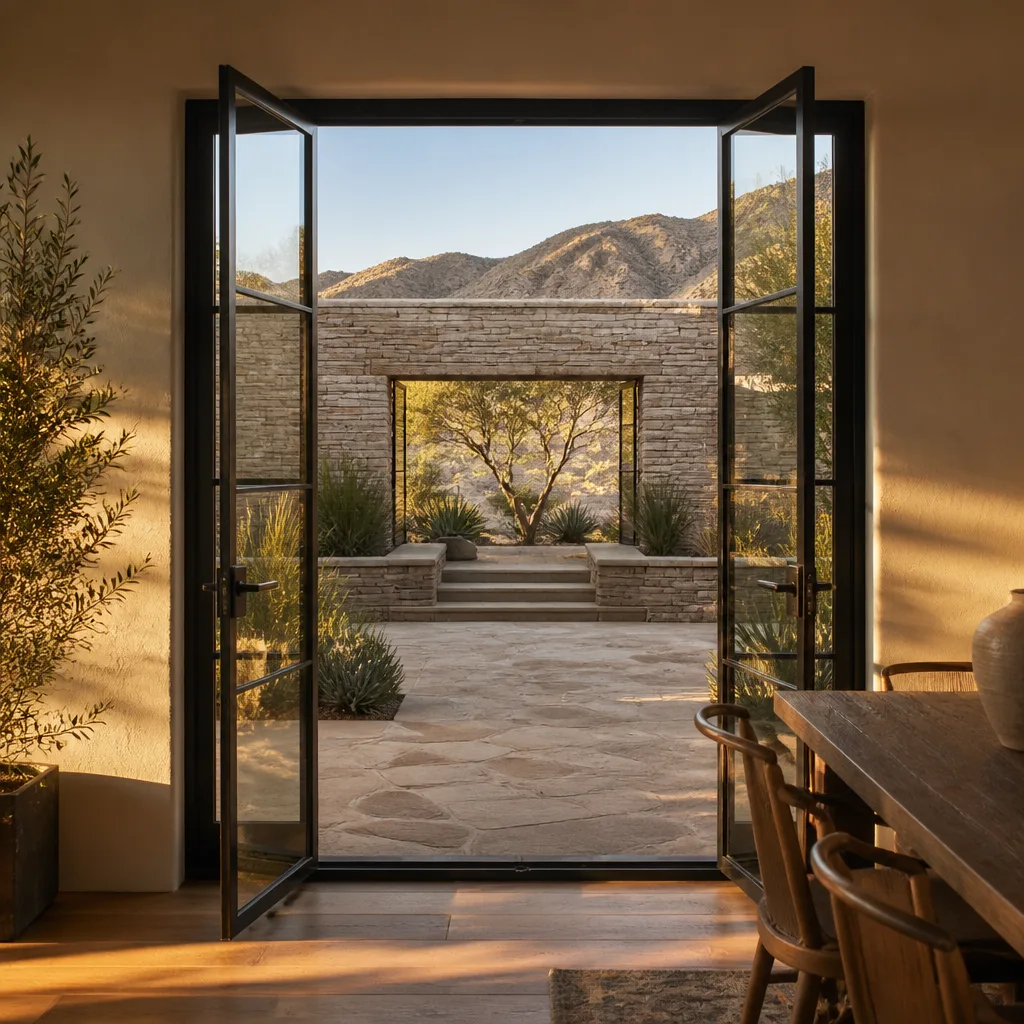
Renew exterior sealant at the casing and perimeter every 24 to 36 months. On the west and south walls of a Boulder City home, lean toward the shorter end. The tripled-digit afternoon sun bakes caulk joints through hundreds of heat-and-cool cycles a year, and the joint at the top of the casing – where water gets in during a monsoon downpour – is the first to crack.
What to look for and what to do:
- Cracked or gapped caulk at any joint. If a fingernail can catch the crack, it’s due for renewal.
- Caulk that has lost adhesion at the frame edge. Run a fingertip along it. Any spot where the caulk peels away from the frame means water has a path behind it.
- Staining under the casing. Discolored stucco below a corner means the joint has been leaking. Repairs usually need to go beyond a fresh bead of caulk.
- Renewal of the entire perimeter. Recaulk the full door perimeter with a paintable, UV-stable exterior sealant. Don’t spot-fill one crack; renew the whole joint so the next failure point isn’t the seam you skipped.
Exterior finishing is a family of skills, and if your door is Therma-Tru or another of the lines we specify, the trim and casing details matter to how it drains. We get the value of the manufacturer’s finishing guidance, and it’s one reason door installers carry manufacturer-specific finish specs rather than a single generic bead. When you’re comparing installers, ask what sealant they use and how often they expect it renewed. A straight answer with a number attached is the sign of a shop that has actually serviced what it installs.
Hardware Operation as a Frame-Plumb Test
The feel of your door hardware is a frame-plumb test you can run without a level. Doors don’t move much season to season in this climate – the temperature swing is real but the humidity swing is small – so any steady change in how the hardware feels is usually structural rather than atmospheric.
Here’s what to feel for:
- The latch drags or needs a second push. A latch that used to click in easily and now needs a shove suggests the frame has racked or the strike plate has moved.
- The deadbolt needs a lift to engage. If the deadbolt only goes home when you lift the door slightly, the door itself has dropped on its hinges or the frame is out of square.
- A new rubbing mark at the top or strike side. Scuffing that appears in one place and spreads means the door has shifted within the opening.
- Hinges that creak after lubrication. A freshly lubricated hinge that still complains is often a hinge that’s seeing load it wasn’t designed for – a plumb problem, not a lubrication problem.
The normal seasonal tolerance is a small one. Doors expand and contract with the temperature, and a hair more effort in July than January is ordinary. What’s not ordinary is a change that stays put and gets worse across a couple of months. When a door goes out of plumb beyond the seasonal tolerance, it pays to have someone look at the frame, not just the hardware, before the misalignment wears the hinges and the weatherstrip. A technician with up to 14 years of experience can read that quickly; our Window Installation in Boulder City page describes how we check for the same issues on the window side.
What to Photograph and Log at Every Interval
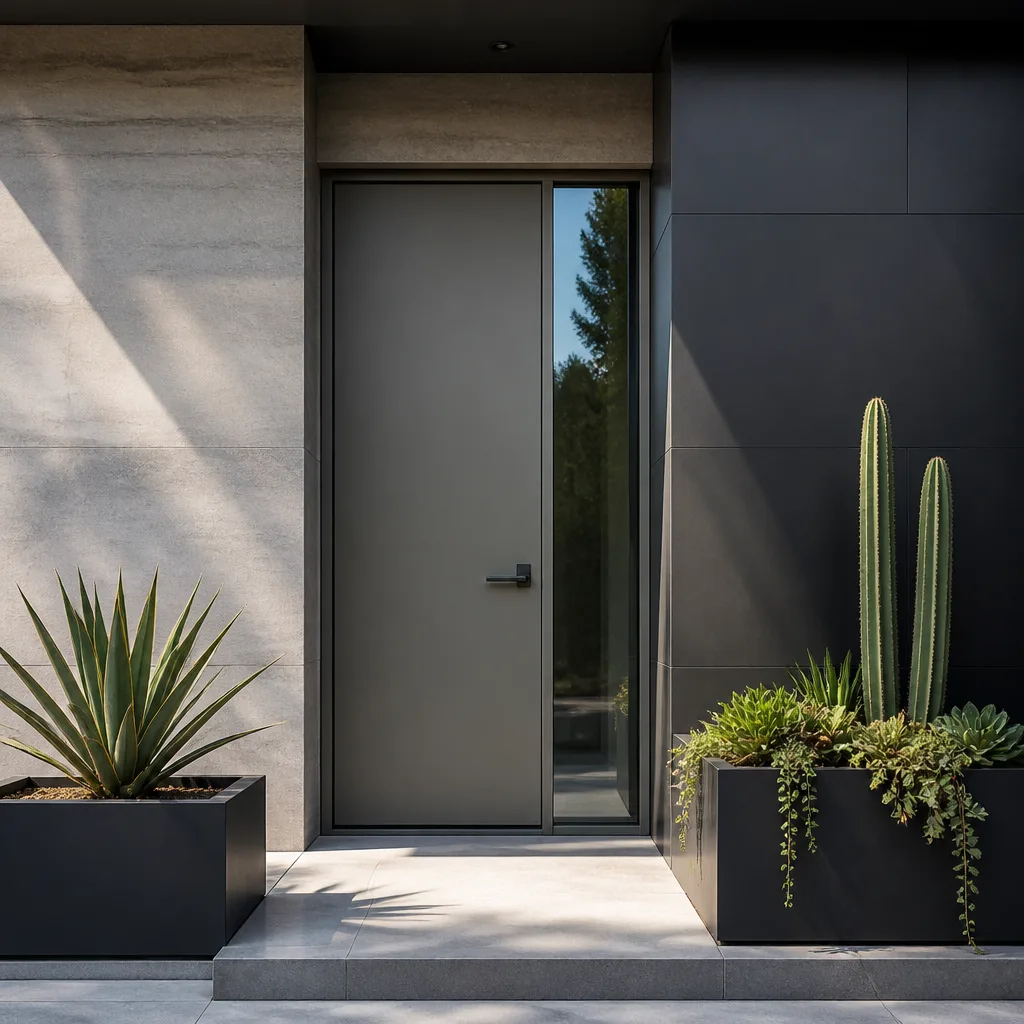
Build a photo log with a dated folder, and take the same four shots at every interval. This is the habit that protects your warranty and settles disputes with evidence instead of memory.
- Full-frame exterior. Both sides of the door, dated. Frame the whole opening so plumb and casing condition are visible.
- Sweep close-up. The threshold sweep edge, close enough to see gloss loss or tearing. This shot tells you when the seal crossed from adjustable to replaceable.
- Sealant joints. The top corner and the side edges of the casing. One shot of the joint that historically fails first.
- Hinges and strike plate. All three hinges and the latch/strike. Include a note on whether any screws were loose and whether the door needed extra effort to close.
Keep a simple written log with the date, what you found, and what you did. It’s also the moment to check that your install came with a documented photo record – every job under the Haven Standard leaves one, with the 365-Day Done Right Promise behind it. If you ever do sell the home, a dated maintenance log with matching photos is the kind of evidence a buyer’s inspector actually reads. The free second opinion on any written estimate we offer works the same way: bring the document, and it’s evaluated on what it says.
When Maintenance Becomes Replacement
There’s a point where maintaining a door costs more than it returns, and it arrives fast once two or three components hit the end of their life at the same time. Three signals tell you to plan for a replacement rather than another round of repairs.
- The weatherstrip won’t stay sealed after a re-seal. If the frame itself has racked and the weatherstrip can’t seal against it, no amount of new rubber fixes the gap.
- The frame is out of plumb beyond adjustment. When hardware adjustments and hinge shims stop helping, the frame has moved and the door won’t ever sit right again without structural correction.
- Visible rot or water damage in the frame or sill. Trapped moisture from a clogged sill pan can compromise the wood. Sanding and re-sealing won’t recover structural material.
- The energy penalty is continuous. A door that lets conditioned air out all year in Boulder City’s heat isn’t a small monthly cost. Add it up over a season and the numbers make the decision.
When you’re at that stage, a measured survey with a written price in hand is what makes the replacement decision tolerable. We specify impact-rated, energy-efficient, and custom doors from seven manufacturer lines – including PGT, Therma-Tru, and ViewLux – chosen by what the opening requires and the price range, not by what’s easy to order. The product selection conversation happens on paper before anyone picks up a tool.
Common Mistakes to Avoid
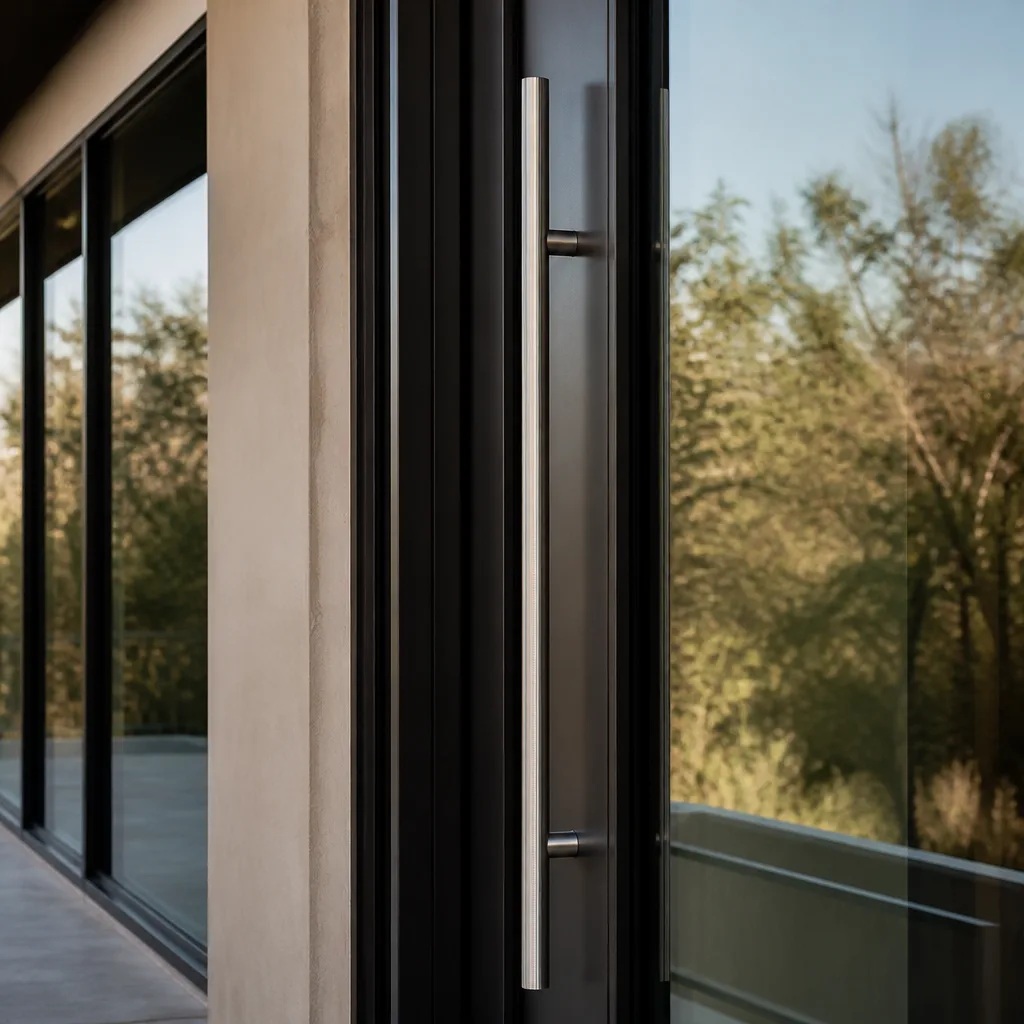
- Using petroleum-based lubricant on hinges. It turns tacky in a week and collects the desert grit that wears hinges out faster than no lubricant at all.
- Caulking over the weep holes. In a low-rainfall climate it’s easy to believe drainage doesn’t matter, but one monsoon downpour will prove otherwise. Keep the weep holes open.
- Skipping the day-30 check. The first month is the only free adjustment window, and it passes before most people think to look.
- Replacing the weatherstrip without checking the frame. If the frame is out of plumb, new weatherstrip will compress-set within a year and you’ll be doing it again.
- Ignoring early hinge-screw loosening. Snugging a screw takes a minute; letting it wallow the mortise takes a different kind of repair.
- No dated photo record. Without it, warranty claims become a memory contest. Photograph and log on every interval, not just when something looks wrong.
- Waiting for a draft to address the sweep. By draft stage the compression set is permanent. Catching it at gloss-loss stage is the whole skill.
When to Call a Professional
Call a professional when the hardware test shows steady misalignment across a couple of months, when a re-sealed weatherstrip won’t hold against the frame, or when you find water staining at the sill or inner jamb. Those signals point to a frame or structural issue that maintenance can’t correct, and the longer they run, the more components get worn out by the misalignment. In our experience, the door that gets caught at the misalignment stage is a modest repair; the same door caught after a year of scraping is a hinge job on top of it. Sightline Windows & Doors Boulder City offers free estimates in Boulder City – call (833) 847-4018 to schedule one. Every estimate comes with the measured survey as its own document, live phone coverage, and the written price before any work starts.
Frequently Asked Questions
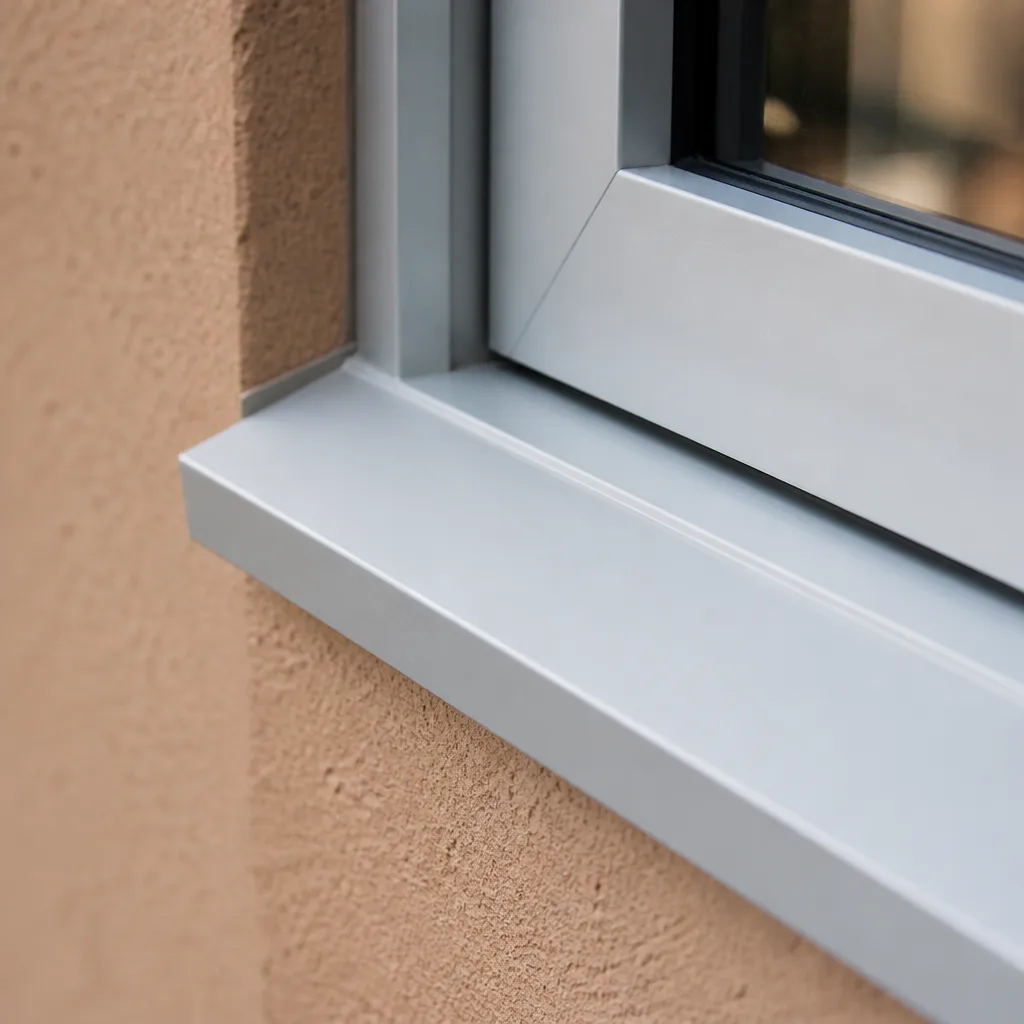
Every six months, using a dry-film PTFE or silicone-based lubricant, not a petroleum-based spray. Desert dust turns petroleum lubricant into a grinding paste that wears hinges out faster than leaving them dry. Wipe off the excess afterward.
Usually every 12 to 18 months on a sun-exposed door, but the right time to replace it is when the rubber edge starts losing its gloss, not when you notice a draft. Once compression set is permanent, adjustment won’t recover the seal. It’s a roughly $18 part and about twenty minutes of work.
Yes. Boulder City gets most of its rain in hard monsoon bursts, and dust-clogged sill pans trap that water against the frame instead of draining it. The annual inspection clears weep holes and sill pans that protect the door all year. Call (833) 847-4018 for a free estimate if you find water staining.
Steady change in how the hardware feels: the deadbolt needing a lift to engage, the latch dragging, or rubbing marks that appear at the top or strike side and stay put. Small seasonal variation is normal, but a change that worsens over a couple of months means the frame has moved.
Every 24 to 36 months, with west- and south-facing walls on the shorter end of that range. Boulder City’s intense afternoon sun shrinks and cracks caulk joints faster than in milder climates. Renew the whole perimeter, not just the crack you can see.
Yes, and it’s the most overlooked habit in the whole schedule. Photograph the full exterior, the sweep edge, the top casing joint, and the hinges at every interval, with dates. A dated log proves condition over time and is what a warranty review or a home inspection will actually look at.
The Bottom Line
The useful door maintenance schedule isn’t the tidy task-list order; it’s the Boulder City failure order. Watch the sweep first, renew the casing sealant at 24 to 36 months on the sun-exposed walls, treat the 12-month point as the full-weatherstrip and sill-pan inspection, and lubricate hinges and locks every six months with a dry lubricant that doesn’t collect desert dust. Test hardware operation as a frame-plumb check, and photograph the same four views every interval so your log tells the story instead of your memory. When the misalignment stops responding to adjustment or water staining shows at the frame, a free estimate from a trained professional is the right next step.
Call (833) 847-4018 to schedule your free estimate. We’ll bring a written price and a measured survey you keep, and every completed job leaves a documented photo record under the Haven Standard.
Written by the team at Sightline Windows & Doors Boulder City.
Six Reasons Homeowners Choose Sightline Windows & Doors Boulder City
Laminated glass and reinforced frames hold up to wind-driven rain, hail and flying debris, so your openings stay sealed when the weather turns.
Low-E insulated impact glass from our manufacturer lines commonly cuts monthly cooling bills 20-30%.
Laminated impact glass shuts out up to 40% of outside noise - traffic, neighbors, weather.
Monitoring services run $30-90 a month. Laminated impact glass resists forced entry around the clock, with no subscription.
Tighter seals and insulated glass even out hot and cold rooms and stop the drafts at the frame.
A full impact package upgrades curb appeal, buyer confidence and appraised value in one project.
Other Sightline Windows & Doors Boulder City Services
What Neighbors Say About Sightline Windows & Doors Boulder City