Last updated November 17, 2026
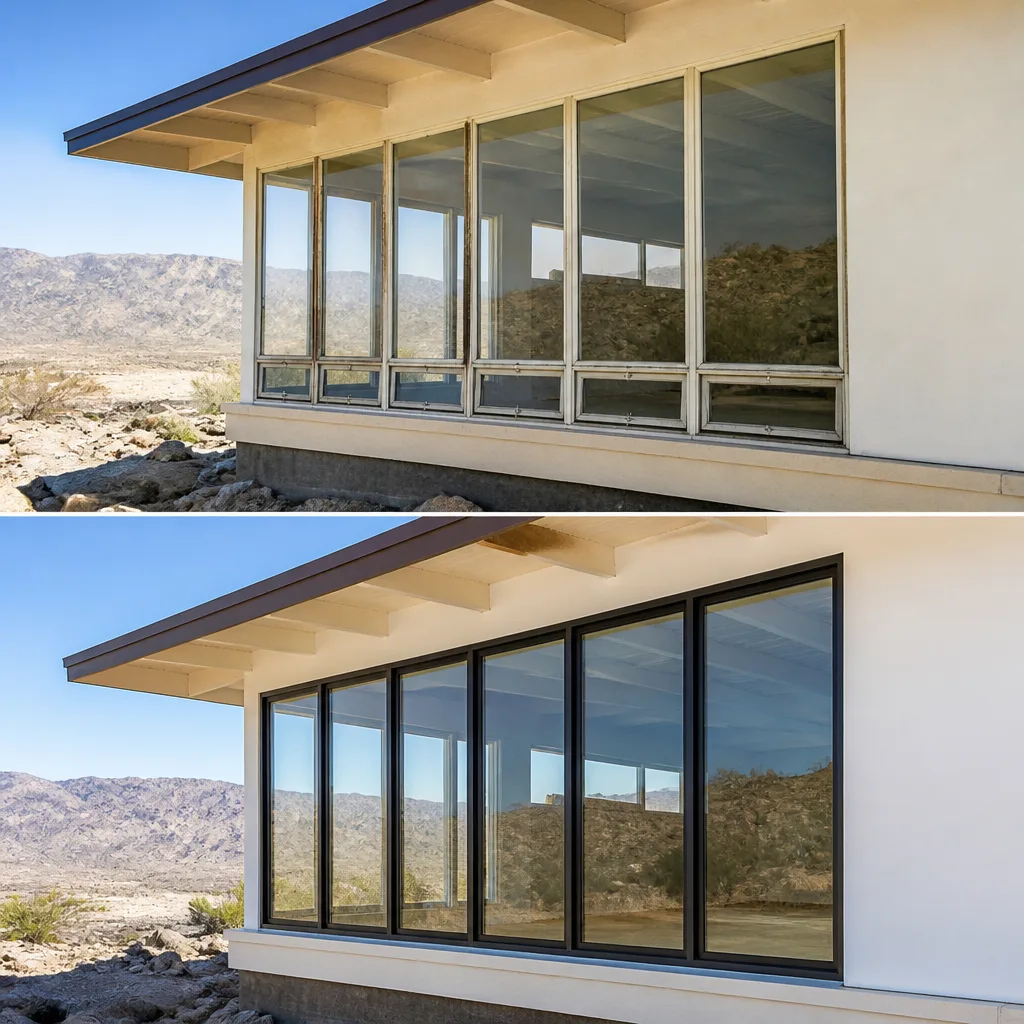
New windows and doors improve comfort, cut energy bills and add long-term value to your home. Sightline Windows & Doors Boulder City pairs proven product lines with a local vetted installing partner for lasting performance - and a price put in writing.
Choose your installer
The unit is half the job - the install is the other half. Background-checked local installers measure, set, seal and insulate every opening, and they know the lines we quote inside and out.
Select the right products
Compare styles, materials and glass packages side by side until the fit is right for your rooms, your budget and your goals. The product-line comparison below is the place to start.
Prepare your home for install
Before install day we walk you through a short checklist - furniture pulled back, treatments down, a clear path to each opening - so install day is watch-it-happen, not scramble.
Compare the Lines We Quote
Every project is priced on the same lines, side by side - the price indicators below are relative, and your consultant shows exact numbers on your actual openings.
PGTThe line homeowners arrive naming - the most impact certifications in the industry$$$
- More impact certifications than any other line we quote
- WinGuard, EnergyVue and ClassicVue Max systems built for every wind zone
- 99% on-time delivery keeps your install date on the calendar
CGIThe heavyweight impact line$$$$$
- Large-missile impact ratings for the strictest wind zones
- Architectural-grade aluminum with commercial-depth frames
- The line we quote when protection is the whole point
CWSThe value pick$$
- Vinyl systems built to strict wind codes
- Strong energy packages at the friendliest price point
- The smart start for whole-home replacements on a budget
ESWSlim lines, big glass$$$$
- Narrow-sightline aluminum for modern elevations
- Oversized openings and floor-to-ceiling glass
- Impact-rated without the bunker look
ECOThe aluminum impact workhorse$$$
- Factory-built aluminum impact systems
- A strong price-to-protection ratio for coastal homes
- Proven lines with short lead times
DIY vs Professional Window Replacement: What’s Safe to Do Yourself
Installing your own window does not void the product warranty by itself. Installing it without a permit in Boulder City can void your homeowner’s insurance coverage for any water damage claim that follows. That is a different calculation than whether you can physically lift a frame into a rough opening. Most DIY guides answer the second question and skip the first, which is exactly backwards. What follows maps the actual boundaries: which tasks Nevada law says a homeowner may perform on their own property, which tasks carry liability you cannot undo once the window is set, and which parts of the job are genuinely safe for a careful homeowner to handle. The physical work is the easy part to evaluate. The permit, warranty, and water-management consequences are where DIY decisions get expensive.
Quick Answer
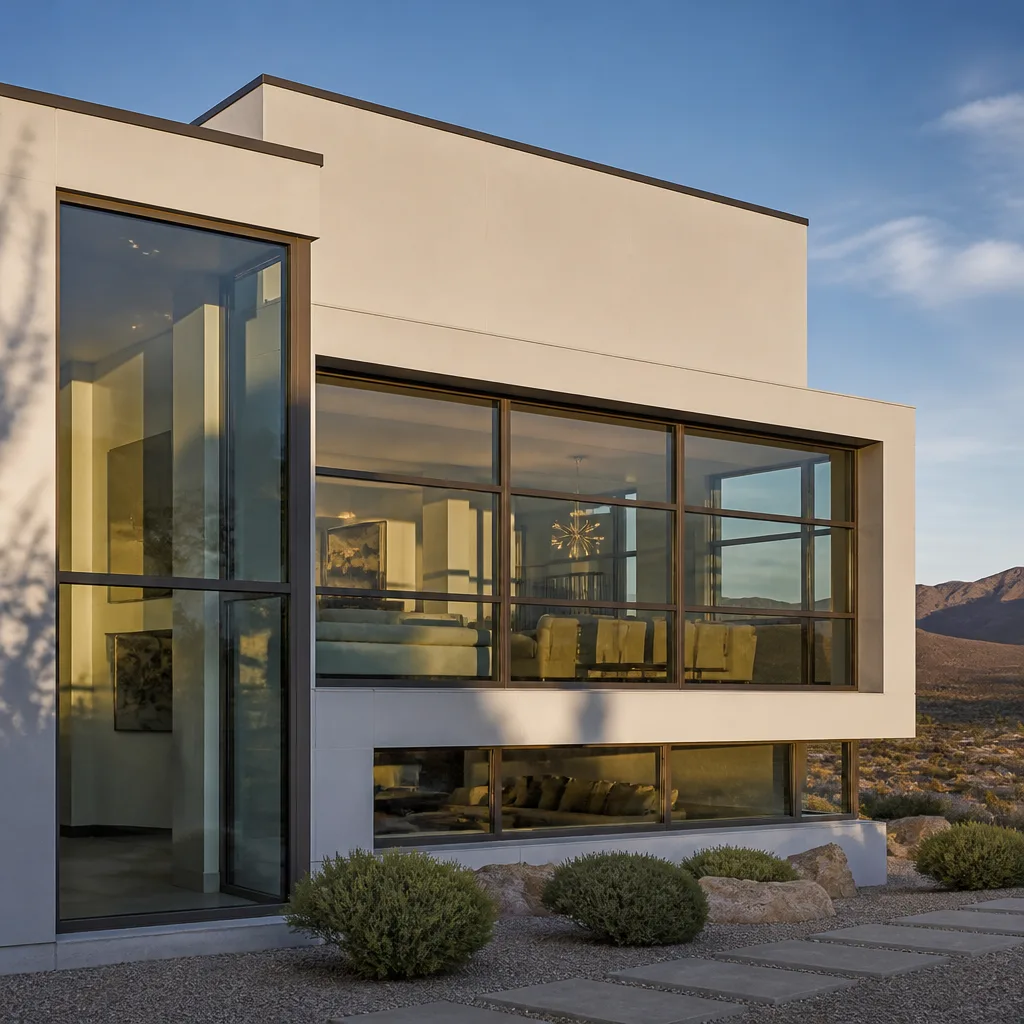
In Nevada, a homeowner may legally replace windows in their own primary residence without a licensed contractor, provided they obtain the required building permit and pass inspection. The safe DIY tasks are interior work: trim removal, interior caulk finishing, prep, and cleanup. The tasks you should never take on yourself are flashing integration with the weather-resistant barrier, exterior air sealing at the rough opening, and shimming a frame to plumb and level within 1/8 inch. Those three steps determine whether water gets behind your wall, and their failures do not show up for years.
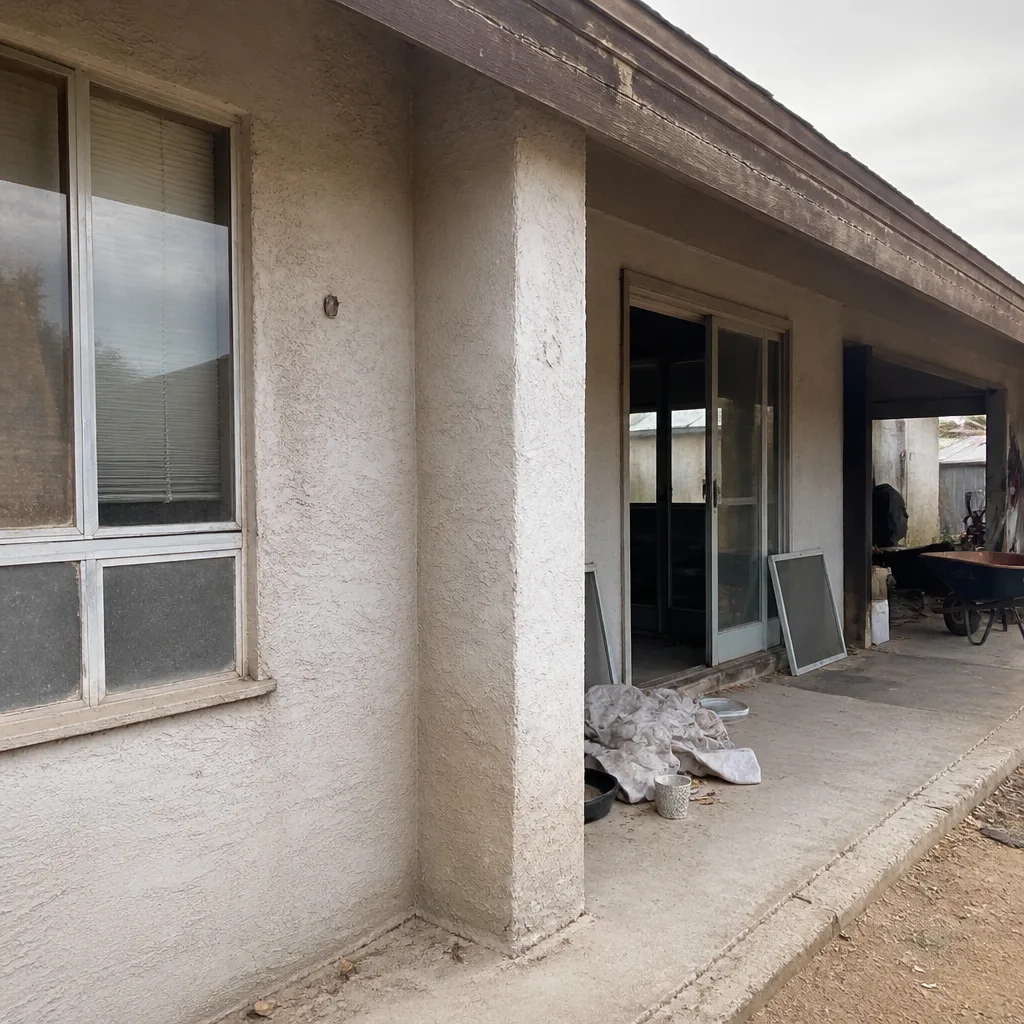 Before
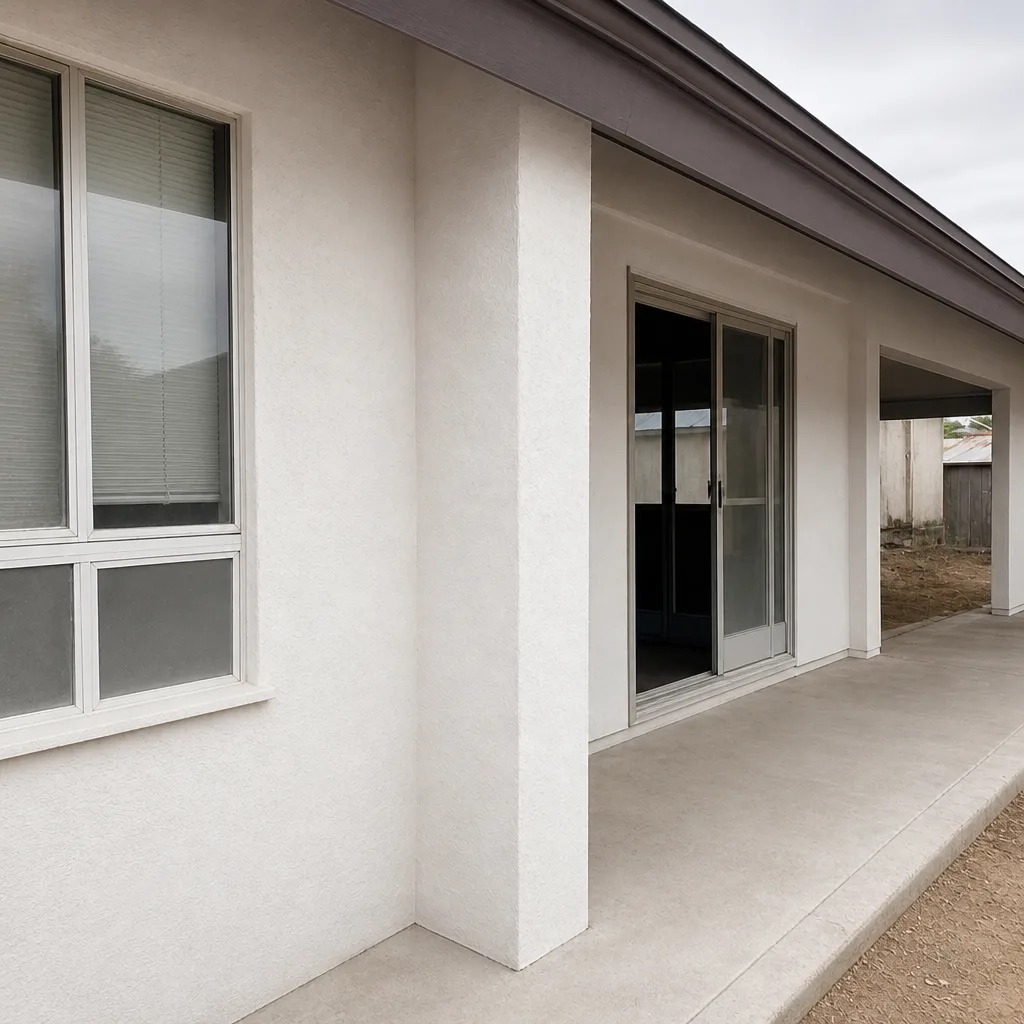 After
Table of Contents
- Where the legal boundary actually sits in Boulder City
- What “professional installation” means in a manufacturer warranty
- Tasks that are genuinely safe to do yourself
- Tasks where DIY errors hide for years
- Cost comparison: full pro install vs. hybrid vs. full DIY
- Boulder City desert factors that change the calculation
- Common mistakes to avoid
- When to call a professional
Where the Legal Boundary Actually Sits in Boulder City
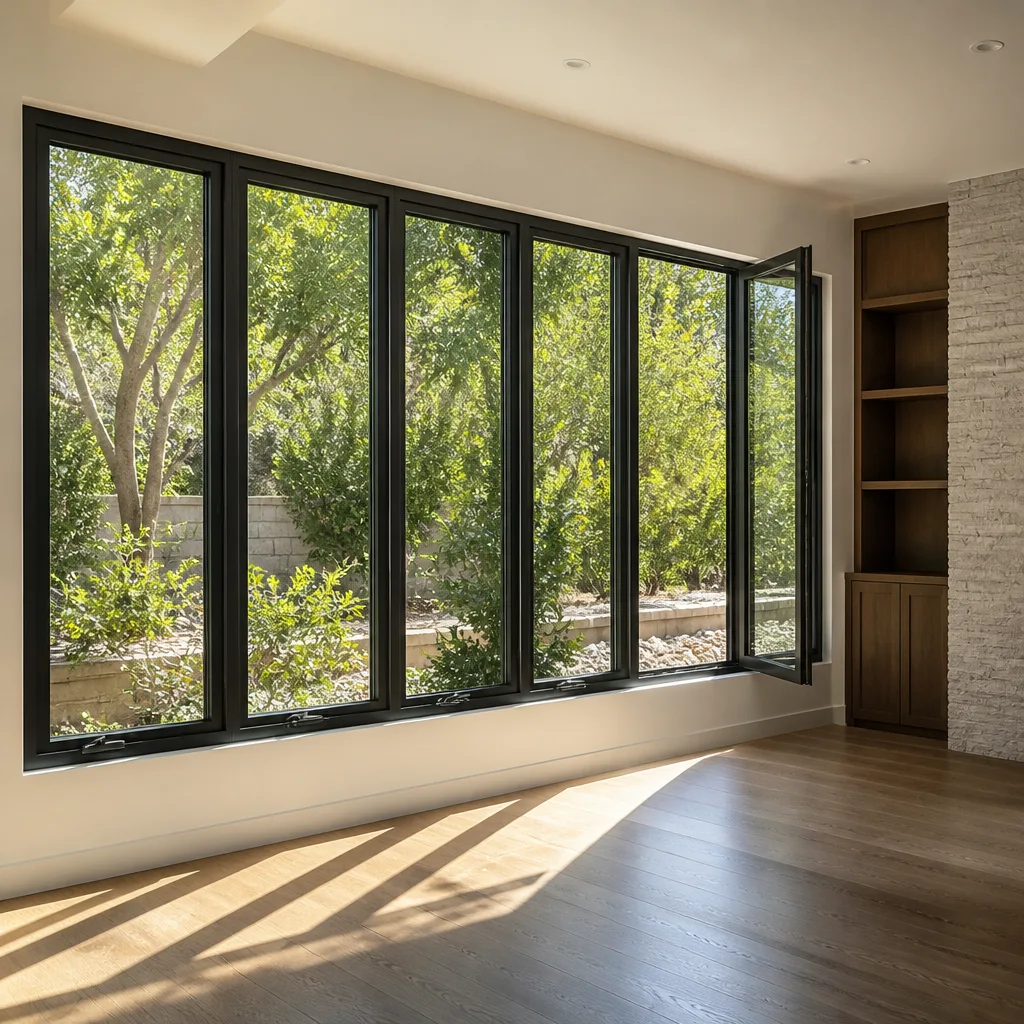
Nevada does not require a licensed contractor for a homeowner working on their own primary residence. That exemption is real, and it is narrower than most homeowners assume. It applies to the owner-occupant of a single-family home, not to a rental property, not to a second home, and not to work done for a family member or neighbor. The moment you are replacing windows in a property you do not live in, the exemption is gone and a licensed contractor is required.
The permit requirement is separate from the licensing requirement, and this is where most DIY window projects in Boulder City run into trouble. Boulder City issues building permits through the city’s building department, and a window replacement that changes the size of the opening, alters the structural header, or affects egress from a sleeping room typically requires a permit and inspection. A like-for-like replacement in the same opening may or may not, depending on the scope, and the only reliable way to know is to ask the city before you order product.
The documentation the city wants either way is the same set of records:
- A permit application identifying the address, the scope, and the product specification sheet
- Product documentation showing the window meets the applicable energy code for the climate zone
- Inspection sign-off at rough-in and final, where the scope triggers inspection
- A record of who performed the work, whether the homeowner or a licensed contractor
If you pull the permit yourself and do the work yourself, you own every consequence of a failed inspection. There is no contractor’s insurance standing between you and a re-do. That is the trade. The permit is not the hard part. The inspection that follows the flashing you installed wrong is.
What “Professional Installation” Means in a Manufacturer Warranty
Manufacturers are not consistent on this point, and the difference matters more than the marketing language suggests. Some window warranties are silent on installer credentials and only require that installation follow the manufacturer’s written instructions. Others explicitly require installation by a licensed contractor and void the labor portion of the warranty if the installation was not performed by one. A few split the warranty entirely: the product is covered regardless of who installed it, but the labor to replace a defective unit is covered only when a licensed installer did the original work.
In our experience reviewing warranty documents across the eight manufacturer lines we specify, the pattern looks like this:
- Silent on credentials, strict on method: requires installation per the manufacturer’s published instructions, and will deny a water intrusion claim if the flashing was installed in a sequence the instructions don’t allow. Your skill level is irrelevant. The method is everything.
- Explicitly licensed-installer required: names a licensed contractor as a condition of the labor warranty. A homeowner install voids the labor portion but not necessarily the glass and frame.
- Hybrid: product warranty survives a homeowner install, but the manufacturer reserves the right to inspect the installation before honoring a claim, and an out-of-spec install is grounds for denial.
Impact-rated products from lines like ES Windows and ECO Window Systems tend to carry the strictest installation requirements, because the impact rating itself depends on the fastening pattern and anchoring specified by the manufacturer. A window rated for impact performance and installed with the wrong anchors is not an impact window anymore, regardless of the sticker on the glass. If you are considering a homeowner install on an impact product, read the installation manual before you read the warranty, because the manual is what the warranty will be measured against.
For a closer look at how we handle the product side of this decision, see our Window Replacement in Boulder City page.
Tasks That Are Genuinely Safe to Do Yourself
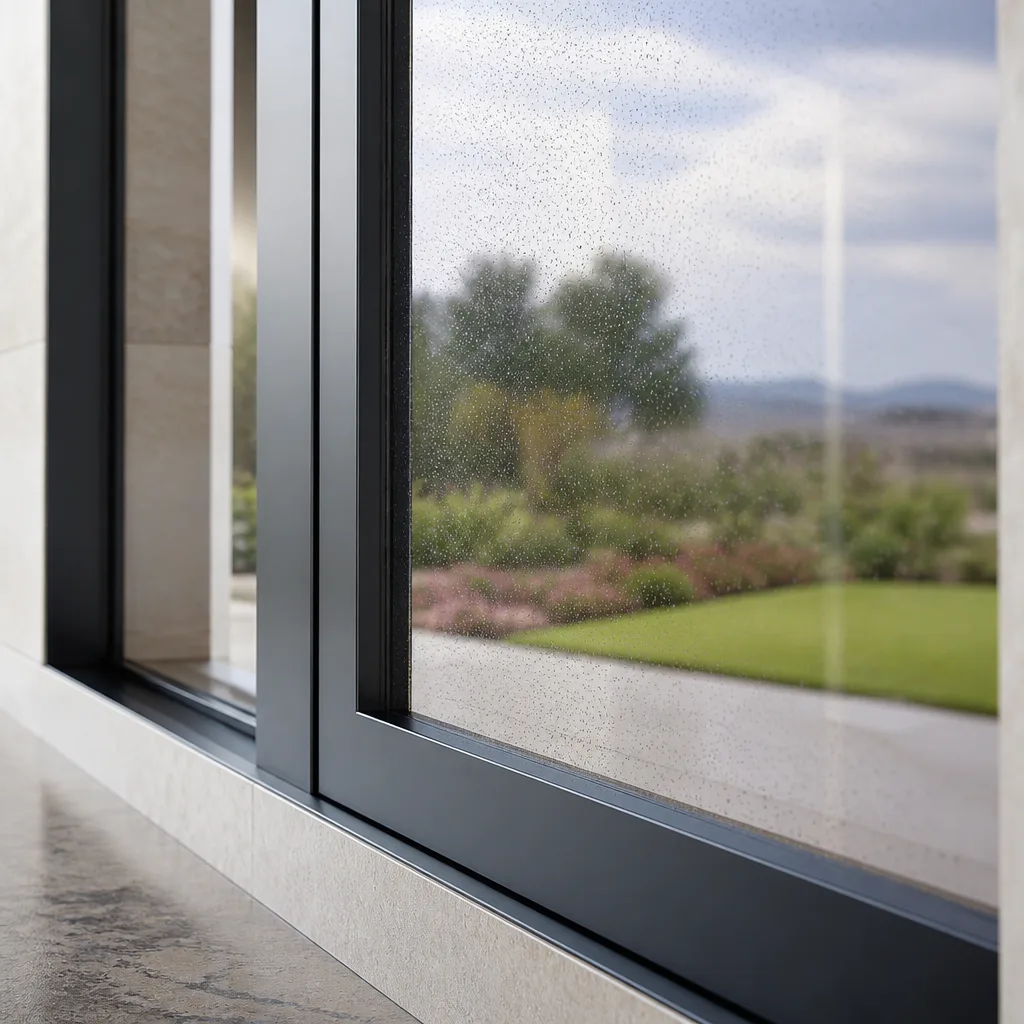
There is real work a prepared homeowner can do on a window replacement, and doing it well saves money without touching the parts of the job that carry risk. These are the tasks we’d hand a capable homeowner without hesitation: they are reversible, they are interior, and a mistake costs time rather than a wall.
- Interior trim removal. Carefully prying the interior casing and stool off the finished wall, labeling each piece, and storing it for reinstallation. Use a trim bar and a shim to protect the drywall. The risk here is cosmetic, not structural.
- Old sash removal in a pocket replacement. In a pocket (insert) replacement, the old sashes come out and the new unit goes into the existing frame. Removing the sashes and the balance hardware is straightforward physical work. This is the one step in the replacement sequence a homeowner can usually manage.
- Interior caulk finishing. Running a clean bead of paintable latex caulk at the interior trim-to-wall joint after the window is set. This is finish work, not weather work. The exterior seal is a different story entirely.
- Interior prep and protection. Moving furniture, laying drop cloths, taping plastic over adjacent surfaces, and hauling debris to the curb. Unglamorous, and worth real money in labor savings.
- Painting and touch-up. Once the window is in and caulked, the finish coat is yours to handle. No permit, no warranty implication, no water risk.
Notice what every item on that list has in common: it happens on the inside of the wall plane. The moment work moves to the exterior, to the rough opening, or to the connection between the window and the weather barrier, the calculation changes and the consequences stop being reversible.
Our Window Installation in Boulder City page covers what a full install sequence looks like, if you want to compare it against your own plan.
Tasks Where DIY Errors Hide for Years
These are the three steps that decide whether a window replacement holds up through a desert monsoon season and the ten years after it. None of them is physically difficult. All of them are unforgiving.
1. Flashing integration with the weather-resistant barrier
Flashing is the shingle-lapped sequence of tape and membrane that sheds water from the rough opening out to the weather-resistant barrier (WRB) behind your siding or stucco. Installed in the wrong order, it channels water into the wall instead of away from it. The failure does not appear during the first rain. It appears two or three years later as rot in the framing and mold on the interior drywall, by which point the window is not the problem anymore: the wall is. In desert climates the damage is often worse, because the wall dries out between storms and the rot is invisible until it’s structural. Boulder City’s stucco and masonry assemblies make flashing sequence especially unforgiving, because the WRB is often integrated with the lath system and a shortcut at the sill cannot be corrected without cutting back the finish.
2. Shimming to plumb and level within 1/8 inch
A window that is out of plumb by a quarter inch will operate, close, and look fine on day one. Six months later the sash drags, the lock no longer engages cleanly, and the weatherstripping no longer seals. The gap that opens is small, but it is enough to whistle in a spring wind and enough to let heat load the frame in July. Shimming to within 1/8 inch in both directions is the standard, and it requires a 4-foot level and patience, not skill. It is a task where the tolerance is tight and the failure is slow.
3. Exterior air sealing at the rough opening
The interior caulk bead is cosmetic. The exterior seal at the rough opening is the one that controls air infiltration, and in a desert climate it also controls dust and heat. Sealed poorly, the gap at the perimeter becomes a channel for superheated exterior air to enter the wall cavity, drive up your cooling load, and carry fine dust into the assembly. It also voids the energy performance rating of the unit you just paid for. A window with a strong U-factor installed with a leaky perimeter performs like a lesser window, and no warranty covers the difference.
None of this is a warning against competence. It’s a warning about the parts of the job where competence is measured by a rainy season that arrives months after you’ve forgotten the details.
Cost Comparison: Full Professional Install vs. Hybrid vs. Full DIY
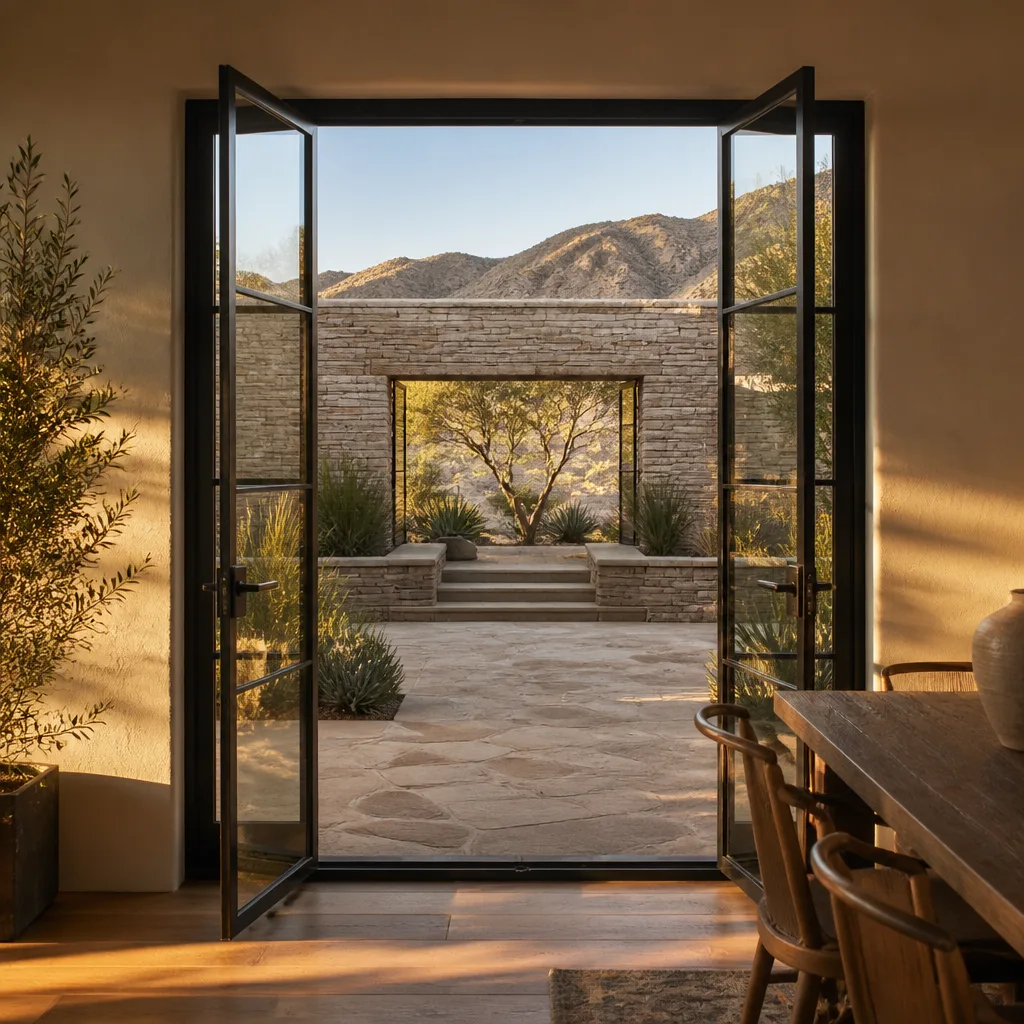
Real dollar ranges for a standard single-hung replacement in Boulder City, using current local pricing. These are ranges, not quotes: your opening, your product line, and your finish all shift the number. The point of the table is to show what the labor alone is worth, so you can judge whether the savings justify the risk.
- Full professional install (product + labor + permit + disposal): $850 to $1,450 per opening, all in. Includes measured survey, written scope, permit handling, haul-away, and finished exterior seal.
- Homeowner-supplied product, professional labor: $450 to $750 per opening in labor. You buy the window, the installer sets and seals it. This works when you can buy the product at a real discount and the installer is willing to warranty labor on a unit they didn’t supply (some are not).
- Full DIY (you supply, permit, install, seal, and finish): $300 to $700 per opening for product and materials, plus the permit fee and your time. The savings look like $400 to $800 per window. The exposure is the flashing, the shimming, and the exterior seal: the three steps whose failures cost five figures to correct.
The middle path is underrated. It splits the labor cost without putting the water-management steps in your hands. The full DIY path only makes sense if you have prior experience with flashing and rough-opening work, you’re willing to pull the permit and stand the inspection, and you fully accept that the labor warranty on the product is likely gone.
For a side-by-side of product lines and what they cost, including entry-level through impact-rated units, the Sightline Windows & Doors Boulder City home page lays out the eight manufacturer tiers we specify by performance and price.
Boulder City Desert Factors That Change the Calculation
The climate here is not a footnote to the DIY decision. It’s the whole reason the exterior seal and flashing matter more than they would in a temperate market.
Boulder City sits in a high desert zone with summer highs routinely above 105°F and monsoon moisture arriving in concentrated bursts in July and August. Windows here face two distinct stresses: sustained thermal expansion that works on every seal, caulk joint, and shim over twenty years, and short, intense rain events that test the flashing in a matter of hours. A slightly imperfect exterior seal that would survive a decade in a milder climate can fail in a single monsoon season here. That is not an argument for avoiding DIY. It’s an argument for understanding that the tolerance on the water-management work is tighter in Boulder City than in most of the country.
The housing stock matters too. Boulder City has a mix of mid-century masonry homes, older stucco construction, and newer builds with integrated WRB systems, and the flashing detail for each is different. The same replacement window that sets cleanly into a modern framed opening can be a genuine problem in a 1950s block wall if you don’t know how the weather barrier was originally detailed. There is no single right answer for how to flash a Boulder City window. There is only the right answer for the specific wall you’re opening up.
Window replacement also affects the energy performance of the whole assembly in a way that matters more here. A high-SHGC (solar heat gain coefficient) unit that would be fine in a mild climate will cook a south- or west-facing room in July. If you are choosing your own product for a DIY install and picking up whatever the big-box shelf has in stock, you may be installing a window that performs poorly in this climate specifically. The Window Replacement page goes through how we spec product for the orientation and exposure of each opening.
Same applies to doors, which share most of the same water-management risks and often carry higher stakes because the openings are larger. See Door Installation in Boulder City for how that sequence differs.
Common Mistakes to Avoid
- Skipping the permit to save the inspection. In Boulder City, an unpermitted replacement that shows up in a later water damage claim is a documented gap in your insurance record. The permit is the cheaper of the two costs by a wide margin.
- Reversing the flashing sequence. Shingle-lap means top over bottom, always. A sill pan installed under the WRB instead of over it funnels water into the wall. If you’re not certain of the sequence, stop before you start.
- Shimming to “close enough.” A quarter inch out of plumb feels fine and operates fine, until it doesn’t. The tolerance in the manufacturer’s instructions is not a suggestion. It is the warranty standard.
- Sealing only the inside. Interior caulk is finish work. If the exterior perimeter is not sealed to the wall, the window will leak air and dust regardless of what the interior bead looks like.
- Buying a product before reading the install manual. Impact-rated lines in particular carry specific anchoring and fastening requirements. A product you can’t install to spec is a warranty you don’t have.
- Assuming the owner-occupant exemption covers a rental or second home. It doesn’t. If the property isn’t your primary residence, the exemption is gone and a licensed contractor is required.
- Starting the job without a written scope. Whether you hire a pro or do it yourself, a written plan of what’s being replaced, what product, and what the finish will be is the difference between a replacement and a repair you’ll repeat next spring.
When to Call a Professional
Call a professional when the scope moves beyond a like-for-like pocket replacement, when the opening is older than the last decade, or when the property is anything other than your primary residence. Call when you’re replacing an impact-rated unit, when the wall assembly is original mid-century masonry and the flashing detail is uncertain, or when the opening size is changing at all. Call when you don’t want to pull the permit and stand the inspection, and call when you want the labor warranty on the product to remain intact.
Our technicians have up to 14 years of experience, are background-checked and uniformed, and are identified by license number before they arrive. Every job leaves a documented photo record of the flashing, the shimming, and the finished seal, so you have evidence of the work that isn’t a verbal assurance. If you already have a written estimate from another installer and want a second read, our Free Second Opinion on Any Written Estimate covers that at no charge.
Sightline Windows & Doors Boulder City offers free estimates in Boulder City. Call (833) 847-4018 to schedule yours.
Frequently Asked Questions
Yes, if the property is your primary residence and you obtain the required building permit. Nevada’s owner-occupant exemption allows a homeowner to perform work on their own single-family home without a licensed contractor. It does not apply to rentals, second homes, or work done for someone else. Call Boulder City’s building department before you order product to confirm whether your specific scope triggers a permit and inspection.
Not automatically. Some manufacturers cover the product regardless of installer and only require that installation follow the written instructions. Others require a licensed contractor for the labor portion of the warranty, and some require it for the full warranty. Read the specific warranty document for the product you’re buying before you buy it, because the terms vary widely between lines. Call (833) 847-4018 if you want us to review a warranty you’re unsure about.
Three steps: flashing integration with the weather-resistant barrier, shimming the frame to plumb and level within 1/8 inch, and exterior air sealing at the rough opening. None is physically dangerous, but all three have slow failures that don’t surface for years and cost far more to correct than the labor saved by doing them yourself. Interior trim removal and caulk finishing are the safe DIY tasks.
A standard single-hung replacement in Boulder City runs $850 to $1,450 per opening installed, all in, including the measured survey, written scope, permit handling, and disposal. Homeowner-supplied product with professional labor runs $450 to $750 per opening in labor alone. Call (833) 847-4018 for an exact quote on your openings; estimates are free.
No. Under the Haven Standard, the measured survey and the written quote are the same document, and the written price we give you before any work starts is the price on the invoice. That’s Clause 1, Have it in writing, and it applies to every job. If the scope of work changes because you ask for it, we’ll write a new document before the change is made.
Yes. Permit handling is part of the scope on every job that requires one, and inspection sign-off is part of the close-out. You receive the permit record along with the documented photo record of the installation. If you’re doing a hybrid install with homeowner-supplied product, we can still handle the permit and inspection as part of the labor scope. Call (833) 847-4018 to talk through what your specific job needs.
The Bottom Line
The DIY question is not whether you can physically set a window in an opening. It’s which steps in the sequence carry consequences you can’t reverse: the permit, the flashing, the shimming, the exterior seal, and the warranty terms on the product you bought. Do the interior work yourself with confidence. Pay for the exterior and rough-opening work, or take the time to learn it to spec. In Boulder City’s climate, the tolerance on that second group is tighter than most DIY guides admit. Get a written price before any work starts, hold onto the documentation, and know that a documented install is worth more at resale than a cheap one. Call (833) 847-4018 to schedule a free estimate with Sightline Windows & Doors Boulder City.
Written by the team at Sightline Windows & Doors Boulder City.
Six Reasons Homeowners Choose Sightline Windows & Doors Boulder City
Laminated glass and reinforced frames hold up to wind-driven rain, hail and flying debris, so your openings stay sealed when the weather turns.
Low-E insulated impact glass from our manufacturer lines commonly cuts monthly cooling bills 20-30%.
Laminated impact glass shuts out up to 40% of outside noise - traffic, neighbors, weather.
Monitoring services run $30-90 a month. Laminated impact glass resists forced entry around the clock, with no subscription.
Tighter seals and insulated glass even out hot and cold rooms and stop the drafts at the frame.
A full impact package upgrades curb appeal, buyer confidence and appraised value in one project.
Other Sightline Windows & Doors Boulder City Services
What Neighbors Say About Sightline Windows & Doors Boulder City