Last updated November 17, 2026
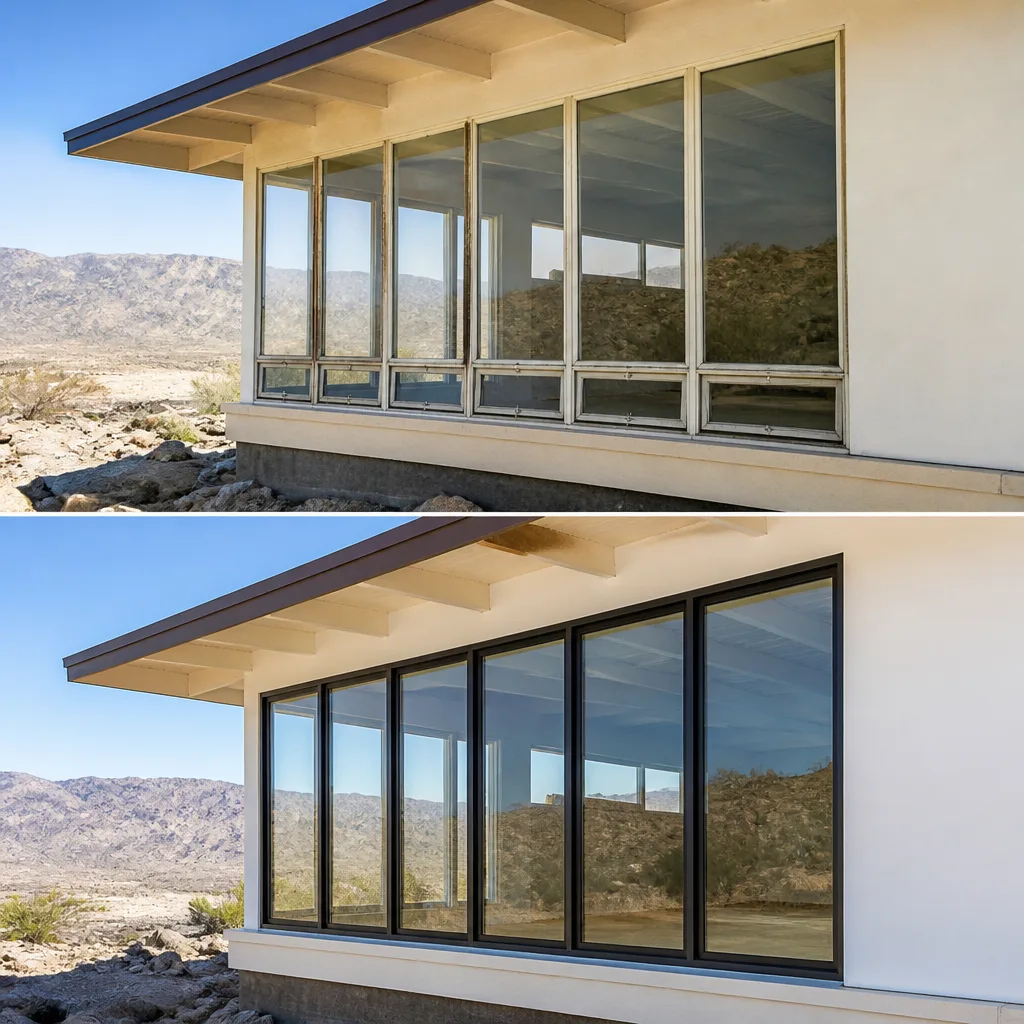
New windows and doors improve comfort, cut energy bills and add long-term value to your home. Sightline Windows & Doors Boulder City pairs proven product lines with a local vetted installing partner for lasting performance - and a price put in writing.
Choose your installer
The unit is half the job - the install is the other half. Background-checked local installers measure, set, seal and insulate every opening, and they know the lines we quote inside and out.
Select the right products
Compare styles, materials and glass packages side by side until the fit is right for your rooms, your budget and your goals. The product-line comparison below is the place to start.
Prepare your home for install
Before install day we walk you through a short checklist - furniture pulled back, treatments down, a clear path to each opening - so install day is watch-it-happen, not scramble.
Compare the Lines We Quote
Every project is priced on the same lines, side by side - the price indicators below are relative, and your consultant shows exact numbers on your actual openings.
PGTThe line homeowners arrive naming - the most impact certifications in the industry$$$
- More impact certifications than any other line we quote
- WinGuard, EnergyVue and ClassicVue Max systems built for every wind zone
- 99% on-time delivery keeps your install date on the calendar
CGIThe heavyweight impact line$$$$$
- Large-missile impact ratings for the strictest wind zones
- Architectural-grade aluminum with commercial-depth frames
- The line we quote when protection is the whole point
CWSThe value pick$$
- Vinyl systems built to strict wind codes
- Strong energy packages at the friendliest price point
- The smart start for whole-home replacements on a budget
ESWSlim lines, big glass$$$$
- Narrow-sightline aluminum for modern elevations
- Oversized openings and floor-to-ceiling glass
- Impact-rated without the bunker look
ECOThe aluminum impact workhorse$$$
- Factory-built aluminum impact systems
- A strong price-to-protection ratio for coastal homes
- Proven lines with short lead times
Energy-Efficient Windows Troubleshooting: Common Problems and How to Fix Them
Interior condensation on a low-E window in Boulder City in January is usually proof the window is working correctly, not failing. That single fact would eliminate most of the service calls we get after the first cold snap. The glass is the coldest surface in the room, the indoor air carries moisture from showers and cooking, and the moisture condenses there first. The window is doing its job. The confusion is understandable, though, because the same three or four symptoms – drafts, fog, cold glass, rising bills – can each come from more than one cause, and each cause has a different fix at a different price. This guide gives you the diagnostic sequence we use before recommending any work: identify the cause first, then decide whether money needs to move at all.
Quick Answer

Most energy-efficient window complaints come from one of three causes: a failed glass seal, air infiltration around the frame, or a gap at the rough opening behind the trim. Each produces a different symptom pattern and each is tested differently. Condensation between the panes means the sealed unit has failed. Condensation on the room-side surface usually means indoor humidity is high relative to outdoor temperature, which is normal physics. A draft you can feel means air is moving, which is almost always a frame or installation issue, not a glass issue. Diagnose which of the three you have before spending anything, because the fixes range from a $12 weatherstrip to a full unit replacement.
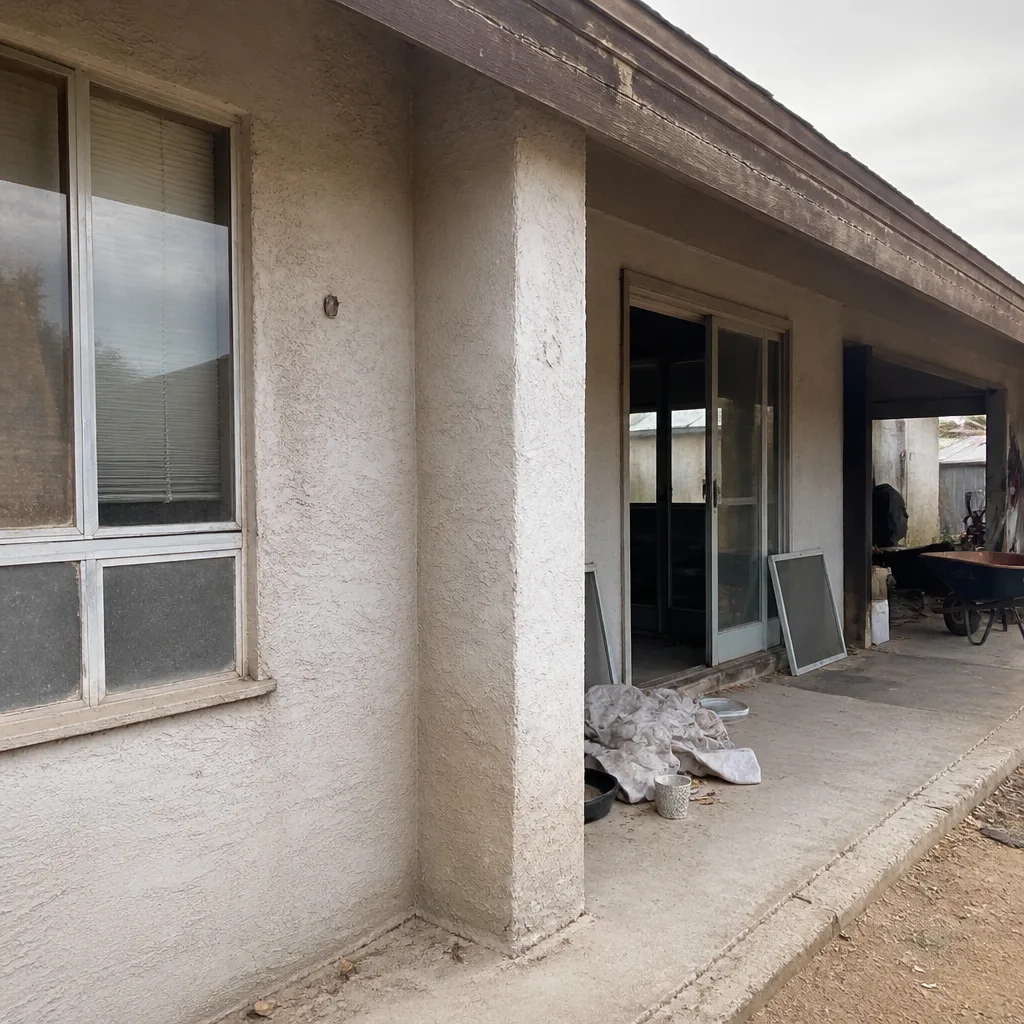 Before
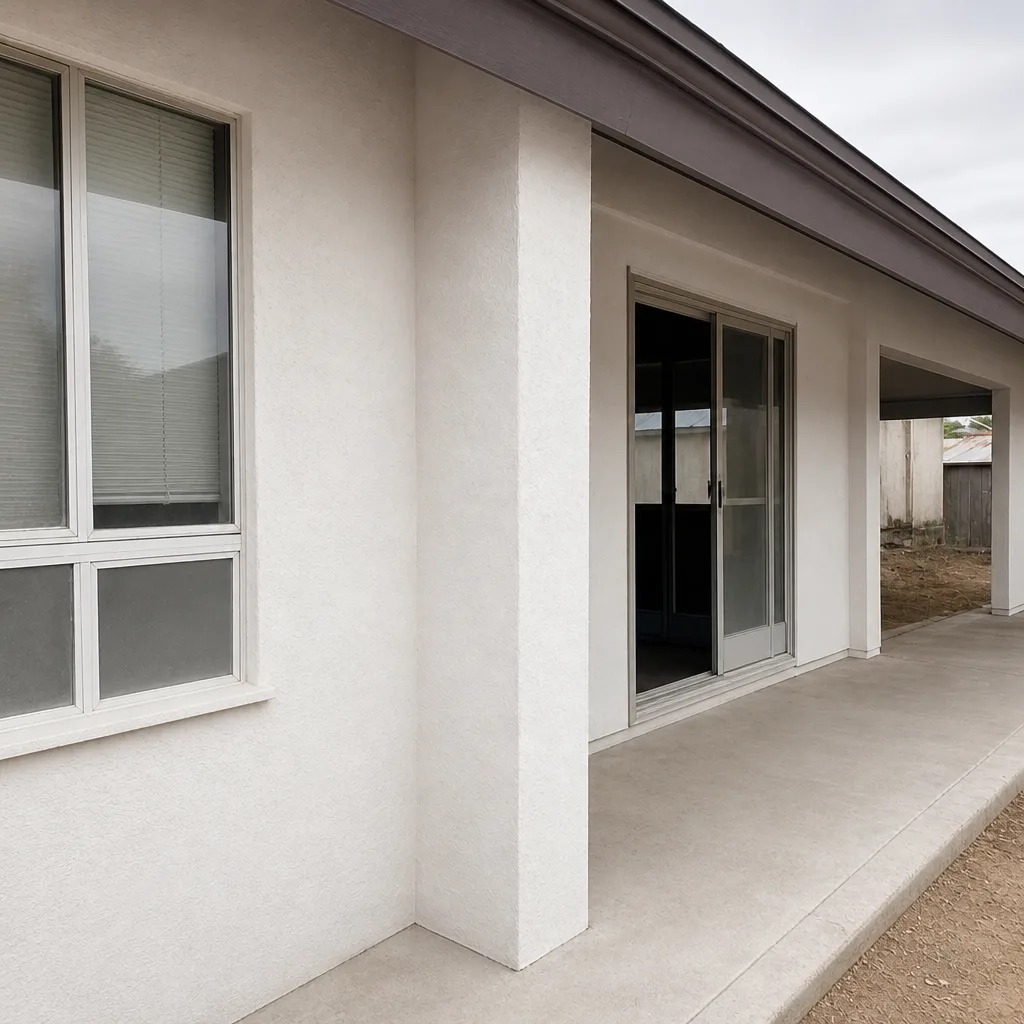 After
Table of Contents
- The Three-Cause Framework for Window Drafts
- How to Tell Normal Condensation from Seal Failure
- Why a Window Feels Cold in Boulder City Winters
- Diagnosing Rising Energy Bills: Windows or HVAC?
- The Troubleshooting Decision Tree
- When Documentation Matters More Than a Service Call
- Common Mistakes to Avoid
- Frequently Asked Questions
The Three-Cause Framework for Window Drafts
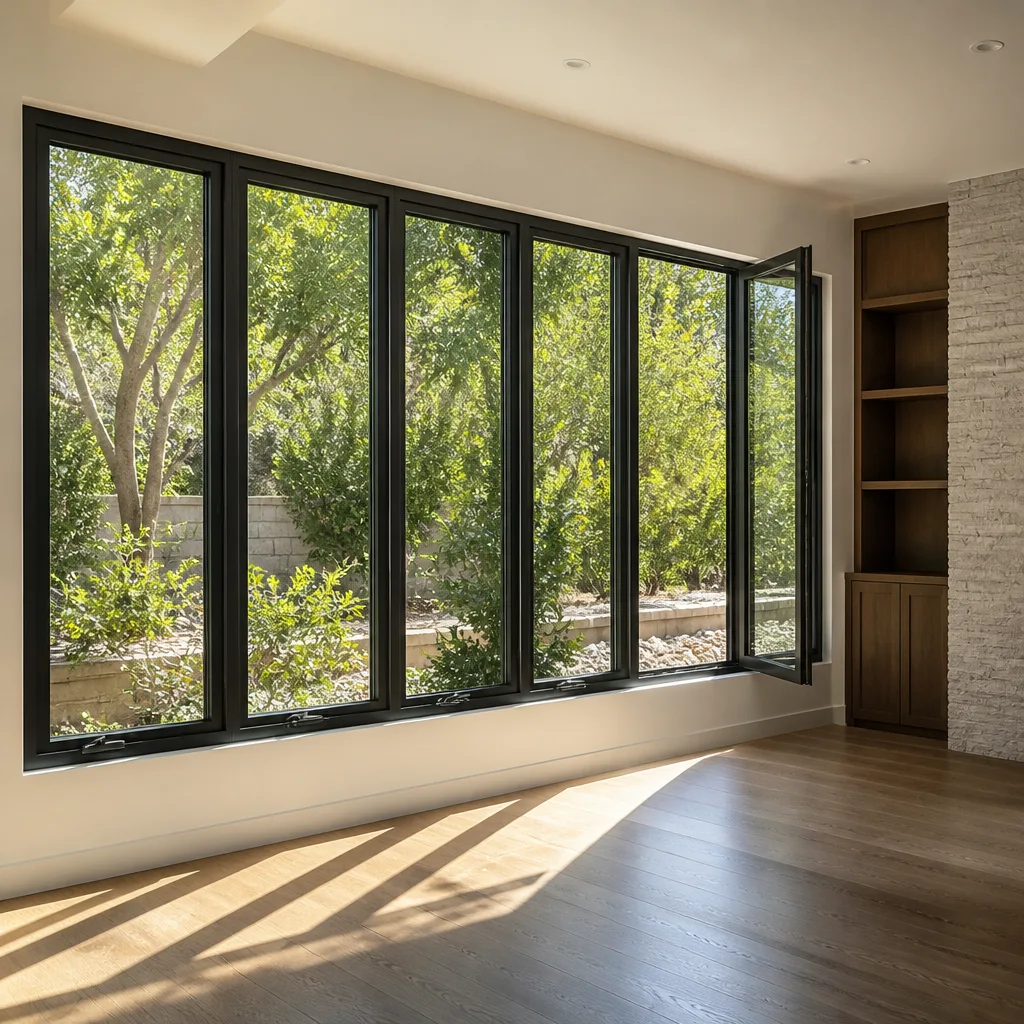
A draft is a symptom, not a diagnosis. Air reaching your face near a window can come from three distinct places, and the tool that identifies each one is different. Work through them in order, because the cheapest test comes first.
Cause 1: Glass center-of-pane failure. The sealed insulating glass unit – two panes with a gas fill and a low-E coating between them – can lose its perimeter seal. When it does, the gas escapes, moisture enters, and the unit’s insulating value drops sharply. Test: look for fog or a hazy film between the panes at dawn. A failed unit does not usually create a “draft” you can feel, but it does make the glass colder, which your skin reads as a draft. If the haze is between the panes, no amount of caulk will help. The unit needs replacing.
Cause 2: Frame air infiltration. Air slips past the sash, through worn weatherstripping, around a misaligned lock, or through the joint where the sash meets the frame. Test: on a windy day, hold a thin strip of tissue near the sash edges and the meeting rail. If it flutters, you have infiltration. This is fixable. Weatherstripping, sash adjustment, and lock hardware replacement are all inexpensive.
Cause 3: Installation gap at the rough opening. This is the one homeowners rarely check. The gap between the window frame and the wall framing should be filled with expanding foam and sealed with flashing tape and caulk. If it wasn’t, air moves through the wall cavity and enters around the interior trim. Test: on a cold day, run your hand along the interior trim where it meets the drywall. If the cold is at the trim rather than the glass, the problem is behind the wall, not in the window. Fixing it means pulling the trim and re-sealing the opening, which is a different job and a different price. That distinction is exactly why we do a measured survey before quoting – the survey tells us which cause is present, and the written price follows from the survey.
How to Tell Normal Condensation from Seal Failure
You need two inexpensive instruments for this: a thermometer and a hygrometer (a humidity gauge, about $15 at any hardware store). With those, the diagnosis takes five minutes and doesn’t require anyone to visit.
Room-side condensation forms when the interior surface temperature of the glass drops below the dew point of the indoor air. Dew point depends on two numbers: air temperature and relative humidity. In a Boulder City winter, outdoor temperatures can fall into the 30s overnight while indoor air sits at 68°F. At 40% indoor relative humidity, the dew point is roughly 43°F. If the inner pane surface reads 40°F, condensation forms. Do the math and you have your answer without a service call.
The chart below is the short version, using typical winter conditions for this area:
- Indoor 68°F, 30% RH: condensation forms when the glass surface drops below about 36°F – uncommon unless it’s a very cold night.
- Indoor 68°F, 40% RH: condensation forms below about 43°F – this is the common case in January.
- Indoor 68°F, 50% RH: condensation forms below about 50°F – almost any cold morning will show moisture.
Bringing indoor humidity down to 30-35% in winter (a bath fan run 20 minutes after showers, a kitchen exhaust fan during cooking) usually clears surface condensation entirely. That’s the fix, and it costs nothing.
Seal failure looks different: the moisture is between the panes, it doesn’t wipe off, and it may come and go with temperature but never touches the room-side surface. That’s a failed insulating glass unit, and it’s a glass replacement. On dual-pane units from lines like CWS or ES Windows, the sealed unit can often be swapped without replacing the whole window, which keeps the cost far lower than a full replacement.
Why a Window Feels Cold in Boulder City Winters
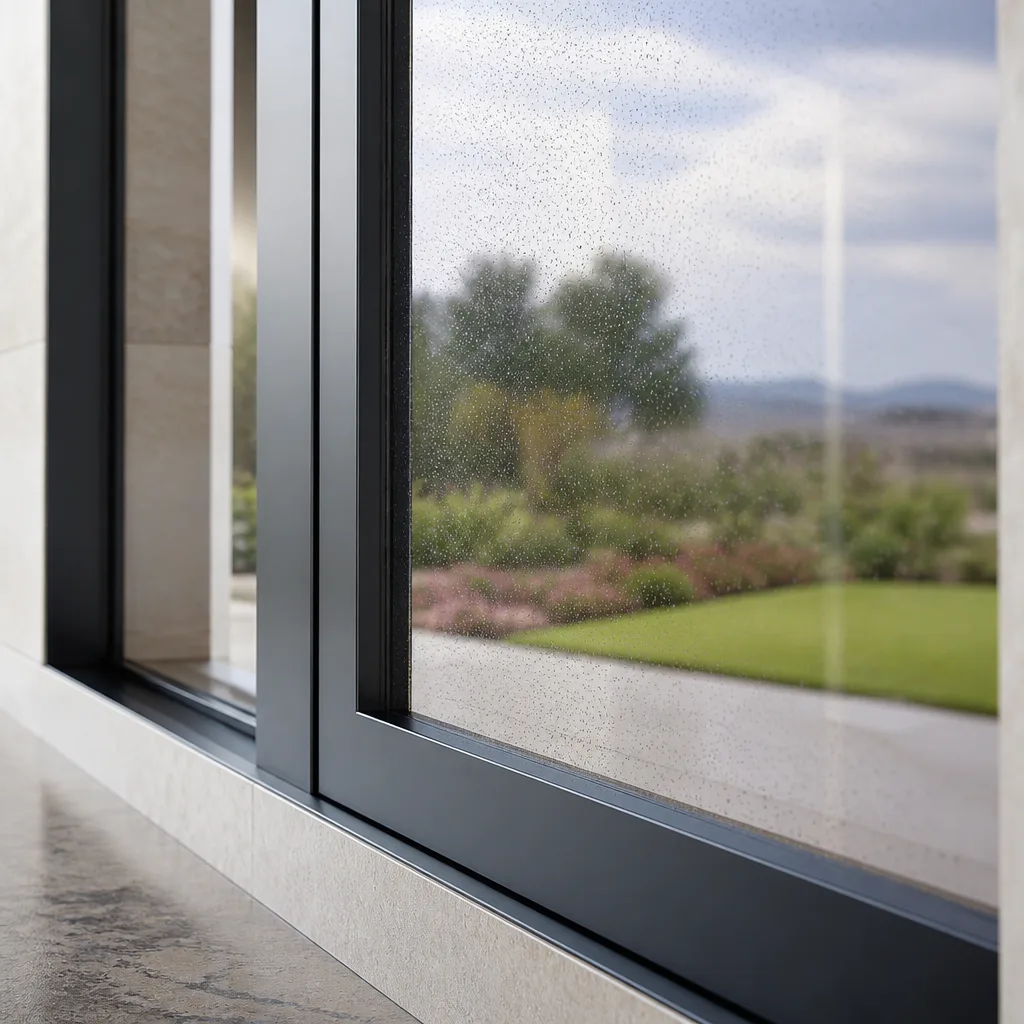
A window that “feels cold” has three possible explanations, and the fastest way to tell them apart is to measure surface temperatures at three points: the center of the glass, the frame edge, and the wall beside the window. A simple infrared thermometer does this in under a minute.
- U-factor problem. If the center-of-glass reads much colder than the room and the window is older single-pane or early dual-pane without a low-E coating, the glass itself is the weak link. U-factor measures how fast heat escapes through the whole assembly – lower is better. Single-pane glass runs around U-1.0; a good modern dual-pane low-E unit runs U-0.30 or lower. If your glass reads 15-20 degrees below room temperature on a cold night, the U-factor is doing the talking.
- Thermal bridge at the frame. If the glass center reads reasonably warm but the frame edge reads much colder, heat is escaping through the frame material. Aluminum frames without a thermal break are the classic culprit. Vinyl and fiberglass frames perform better here. Measure both and compare: a big gap between center and edge points to the frame, not the glass.
- HVAC supply imbalance. If the window surface is fine but the room still feels cold, the problem may not be the window at all. A room with a closed or blocked supply register, or one at the end of a long duct run, gets less warm air and feels cold regardless of window quality. Test: hold the thermometer in the middle of the room, away from the window. If that air is also cold, the window isn’t your problem.
In our experience across Boulder City homes, the frame-edge reading catches more people by surprise than the glass reading does. A window with decent glass and a poorly insulated frame can feel drafty even when the sealed unit is perfectly healthy.
Diagnosing Rising Energy Bills: Windows or HVAC?
A jump in your power bill is the most commonly misattributed window symptom. Before you blame the glass, do the diagnostic math using your own utility history. It takes about 20 minutes and settles the question.
- Pull 24 months of bills. Most utilities in the Boulder City area let you download usage history in kilowatt-hours, not just dollars. Usage is the number you want, because rates change and usage doesn’t.
- Compare the same months year over year. January this year against January last year. Seasonal weather varies, so a single cold month proves nothing; look at the trend across the whole heating season.
- Calculate the percentage change. If usage rose 8% in a mild winter, that’s a real signal. If it rose 22% in a winter that ran 10 degrees colder than the prior year, weather explains most of it.
- Rule out the HVAC first. A heat pump or furnace that has lost efficiency – dirty coils, a failing compressor, a blower running at reduced output – raises bills more than window degradation typically does. Have the HVAC serviced and compare again. If the bill drops, the windows were never the problem.
- Then isolate the windows. Windows account for a meaningful share of heating and cooling load, but rarely the majority of a sudden spike. Gradual year-over-year creep with no HVAC explanation, combined with cold glass readings, points toward window performance.
One Boulder City-specific note: homes built or renovated between 2015 and 2025 often already have dual-pane low-E glass, so a bill increase in a newer house is more likely HVAC or envelope-related than window-related. Older homes near the historic district are more likely to have single-pane or early dual-pane units where the glass genuinely is the weak point. The math tells you which house you’re standing in.
The Troubleshooting Decision Tree

Here’s the sequence we’d use in your shoes, in order, before spending anything:
- Fog between the panes? Yes = failed sealed unit, call for glass replacement. No = continue.
- Moisture on the room-side glass only? Yes = humidity management, no service call needed. No = continue.
- Tissue test at sash edges flutters? Yes = frame infiltration, weatherstrip and adjust. No = continue.
- Trim feels cold to the touch? Yes = installation gap behind trim, needs a site inspection. No = continue.
- Center-of-glass and frame-edge both read cold? Yes = U-factor problem, evaluate replacement. No = continue.
- Room air cold away from the window too? Yes = HVAC, not windows. No = you have a minor comfort issue, not a performance failure.
Most Boulder City homes we survey land on step 1, 2, or 6. Only a fraction reach step 5, and the ones that do usually discover it through the readings rather than a sales pitch. That’s the whole point of testing first. For the homes that do reach replacement, our window replacement in Boulder City process begins with a measured survey you keep, and the written quote can’t differ from that document – so the cause you identified and the scope you’re quoted match.
When Documentation Matters More Than a Service Call
Half the troubleshooting questions homeowners ask us are really baseline questions: “Is this normal for my window?” You can’t answer that without knowing how the window performed when it was installed. That’s why the documentation matters, and it’s why every job we complete leaves a documented photo record – not as an upsell, but because it’s the baseline you’ll need in three years.
Here’s what the documentation lets you do:
- Compare like for like. A post-install photo of the sealed unit and a frame-edge reading from installation day tells you whether today’s reading is a change or just how it’s always performed.
- Prove a seal failure timeline. If fog appeared between the panes two years after install, the install record and the unit serial number establish whether a warranty claim applies. Without that record, you’re guessing.
- Separate an install problem from a product problem. A draft at the trim in year three might be a rough-opening gap the installer should have caught. The install photos show whether the foam and flashing were done.
If you’re mid-troubleshoot and don’t have baseline records, that’s fine – start the record now. Take a photo of each window with the thermometer reading and the date. It’s the same documentation discipline that governs every job under the Haven Standard, where “evidence on every job” isn’t a slogan but a written clause. If you’re planning new windows, our window installation in Boulder City service builds the record in from the start.
Common Mistakes to Avoid

- Caulking over a failed sealed unit. If the fog is between the panes, no exterior caulk will fix it. You’ll spend an afternoon and the haze stays. Confirm the location of the moisture before touching a caulk gun.
- Running a whole-house humidifier and blaming the windows. In Boulder City’s dry winter air, surface condensation usually means indoor humidity is too high relative to the glass temperature. Dial humidity down before calling anyone.
- Treating the glass when the frame is the culprit. A cold frame edge with a warm glass center means the frame is losing heat. Measuring both points takes 30 seconds and saves you thousands.
- Replacing windows to fix a bill increase the HVAC caused. Pull your usage history first. If the heat pump is the problem, new glass won’t lower the bill.
- Weatherstripping a trim draft. Cold at the interior trim means the gap is behind the wall, not at the sash. Weatherstrip the sash edge and you’ve fixed nothing.
- Accepting a verbal diagnosis with no photo or measurement. Ask for readings and photos. A diagnosis without numbers is a guess. Our Sightline Windows & Doors Boulder City home page lays out how we document every visit for exactly this reason.
- Tossing the install record. The photos and measured survey from a prior install are the baseline for every future troubleshooting question. Keep them.
When to Call a Professional
Call when the diagnosis points to a failed sealed unit (fog between the panes), a suspected rough-opening gap behind the trim, or a U-factor problem that warrants evaluating whole-window replacement. Those three need a site inspection, and the inspection needs to produce a written number, not a verbal range. For frame infiltration and surface condensation, you likely don’t need a service call at all – the tests above will tell you what to do, and we’d rather you keep that money.
If you do want eyes on it, specify that you want the readings in writing: center-of-glass and frame-edge temperatures, the tissue-test results per opening, and a written price before any work begins. Sightline Windows & Doors Boulder City offers free estimates in Boulder City, and you’re welcome to bring a competitor’s written estimate for a free second opinion before committing. Our technicians have up to 14 years of experience, are background-checked and uniformed, and carry their license number before arrival under Haven Clause 3. Call (833) 847-4018 – live phone coverage runs 24/7, and every estimate is free.
Frequently Asked Questions
Surface condensation on the room side is normal physics, not a failure. The glass is the coldest surface in the room, so moisture from indoor air condenses there first when indoor humidity is high relative to the outdoor temperature. Lower indoor humidity to 30-35% in winter and it usually clears. Call (833) 847-4018 if the moisture is between the panes – that’s a different problem.
Look for fog or haze between the panes that won’t wipe off. That’s the definitive sign a sealed insulating glass unit has lost its perimeter seal and its gas fill. A failed unit needs glass replacement, not caulking. Call (833) 847-4018 for a free estimate – it’s a quick diagnostic.
Measure surface temperature at the center of the glass, the frame edge, and the wall beside it. A cold frame with a warm glass center points to a thermal bridge at the frame; both cold points to a U-factor problem; neither, with a cold room away from the window, points to HVAC supply imbalance. The readings tell you which, and we’ll read them with you for free at (833) 847-4018.
They can, but only if the diagnosis shows the windows are the weak point. Pull your 24-month usage history and rule out HVAC efficiency first, because a failing heat pump raises bills more than window degradation typically does. If the glass readings confirm a U-factor problem, replacement pays back. Call (833) 847-4018 for an honest read before you spend.
A draft is moving air you can feel; a cold surface is radiant heat loss you sense without airflow. Test with a strip of tissue – fluttering means infiltration, cold without flutter means surface temperature. They’re different problems with different fixes. Call (833) 847-4018 if you can’t tell which you have.
Frame infiltration and surface condensation are do-it-yourself fixes: weatherstripping, lock adjustment, and humidity control. Failed sealed units and rough-opening gaps need a site inspection and a written scope, which is where we come in. Our door installation in Boulder City work follows the same documentation standard, so the record matches the fix. Call (833) 847-4018 for a free estimate.
The Bottom Line
Most energy-efficient window complaints resolve to one of three causes, and the visible symptom almost never identifies which one. Fog between the panes means a failed sealed unit; fog on the room side means humidity; a draft means frame or rough-opening infiltration; a cold-feeling window means U-factor, thermal bridging, or HVAC. A thermometer, a hygrometer, and a strip of tissue cost under $30 and answer most of the questions a service call would. When the readings point to replacement, ask for the numbers in writing, the measured survey you keep, a written price before work starts, and a documented photo record when it’s done. That’s the whole troubleshooting process, in order, with nothing left to interpretation. For a free estimate in Boulder City on any of it, call (833) 847-4018 – live coverage around the clock, and you can bring a competitor’s quote for a free second opinion.
Written by the team at Sightline Windows & Doors Boulder City.
Six Reasons Homeowners Choose Sightline Windows & Doors Boulder City
Laminated glass and reinforced frames hold up to wind-driven rain, hail and flying debris, so your openings stay sealed when the weather turns.
Low-E insulated impact glass from our manufacturer lines commonly cuts monthly cooling bills 20-30%.
Laminated impact glass shuts out up to 40% of outside noise - traffic, neighbors, weather.
Monitoring services run $30-90 a month. Laminated impact glass resists forced entry around the clock, with no subscription.
Tighter seals and insulated glass even out hot and cold rooms and stop the drafts at the frame.
A full impact package upgrades curb appeal, buyer confidence and appraised value in one project.
Other Sightline Windows & Doors Boulder City Services
What Neighbors Say About Sightline Windows & Doors Boulder City