Last updated November 17, 2026
New windows and doors improve comfort, cut energy bills and add long-term value to your home. Sightline Windows & Doors Boulder City pairs proven product lines with a local vetted installing partner for lasting performance - and a price put in writing.
Choose your installer
The unit is half the job - the install is the other half. Background-checked local installers measure, set, seal and insulate every opening, and they know the lines we quote inside and out.
Select the right products
Compare styles, materials and glass packages side by side until the fit is right for your rooms, your budget and your goals. The product-line comparison below is the place to start.
Prepare your home for install
Before install day we walk you through a short checklist - furniture pulled back, treatments down, a clear path to each opening - so install day is watch-it-happen, not scramble.
Compare the Lines We Quote
Every project is priced on the same lines, side by side - the price indicators below are relative, and your consultant shows exact numbers on your actual openings.
PGTThe line homeowners arrive naming - the most impact certifications in the industry$$$
- More impact certifications than any other line we quote
- WinGuard, EnergyVue and ClassicVue Max systems built for every wind zone
- 99% on-time delivery keeps your install date on the calendar
CGIThe heavyweight impact line$$$$$
- Large-missile impact ratings for the strictest wind zones
- Architectural-grade aluminum with commercial-depth frames
- The line we quote when protection is the whole point
CWSThe value pick$$
- Vinyl systems built to strict wind codes
- Strong energy packages at the friendliest price point
- The smart start for whole-home replacements on a budget
ESWSlim lines, big glass$$$$
- Narrow-sightline aluminum for modern elevations
- Oversized openings and floor-to-ceiling glass
- Impact-rated without the bunker look
ECOThe aluminum impact workhorse$$$
- Factory-built aluminum impact systems
- A strong price-to-protection ratio for coastal homes
- Proven lines with short lead times
Energy-Efficient Windows Maintenance Schedule: What to Do and When
Argon gas doesn’t leak from intact seals. It leaks from spacer bars stressed by frame flex caused by hardware that hasn’t been adjusted in four years. The gas is the last thing to go, not the first. What fails first is everything around the glass: the weatherstripping that seals it, the drainage path that keeps water out of the frame, the hardware that holds the sash square. Maintain those and the sealed unit inside reaches the end of its rated life. Ignore them and it won’t. This guide lays out what to check on an energy-efficient window, in what order, and how to log it so the work counts for something.
Quick Answer

A practical maintenance schedule for energy-efficient windows runs on a quarter-annual cycle for drainage and hardware, an annual inspection for weatherstripping and seals, and a full frame and glazing review every three years. In Boulder City, the UV index and summer thermal swings push weatherstripping replacement toward a three-to-four-year cadence rather than the five-year figure you’ll read in national guides. Clean interior low-E surfaces twice a year with a pH-neutral solution, and never use an abrasive pad on them.
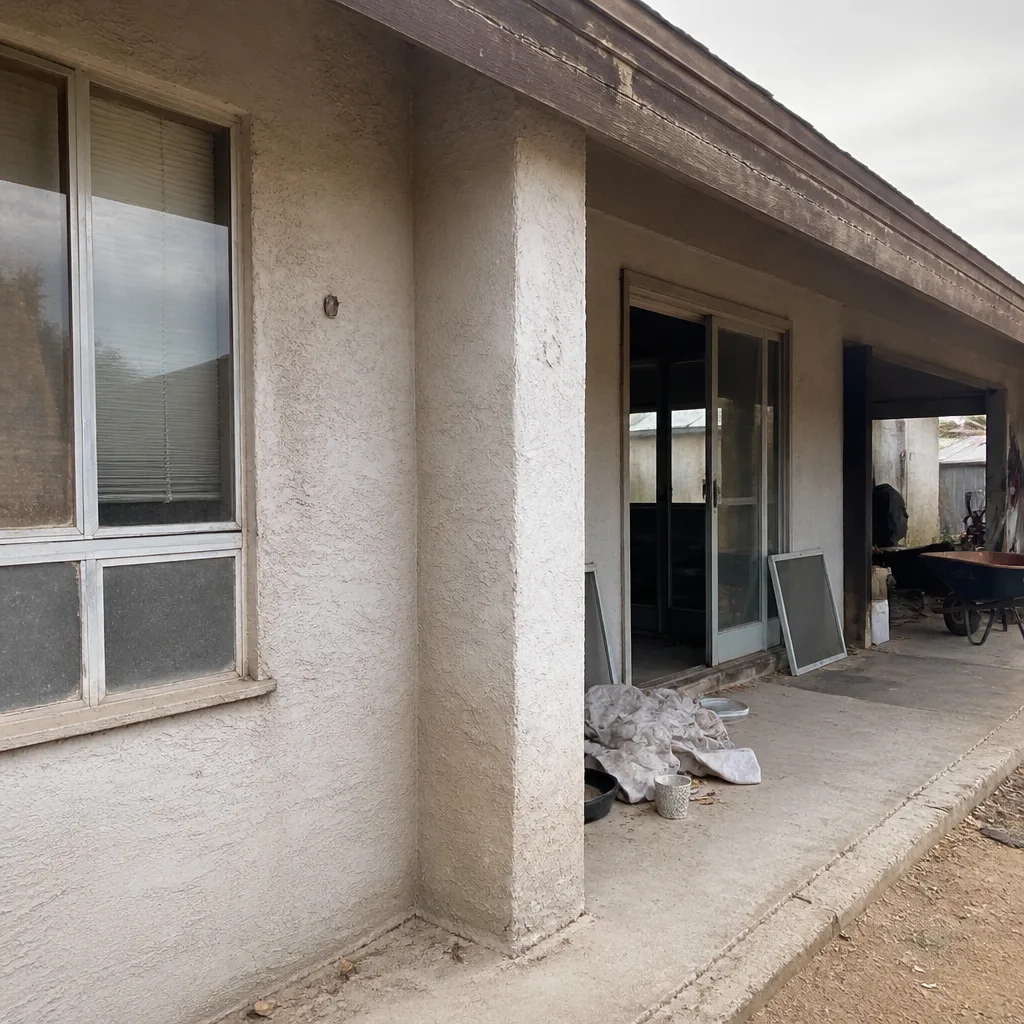 Before
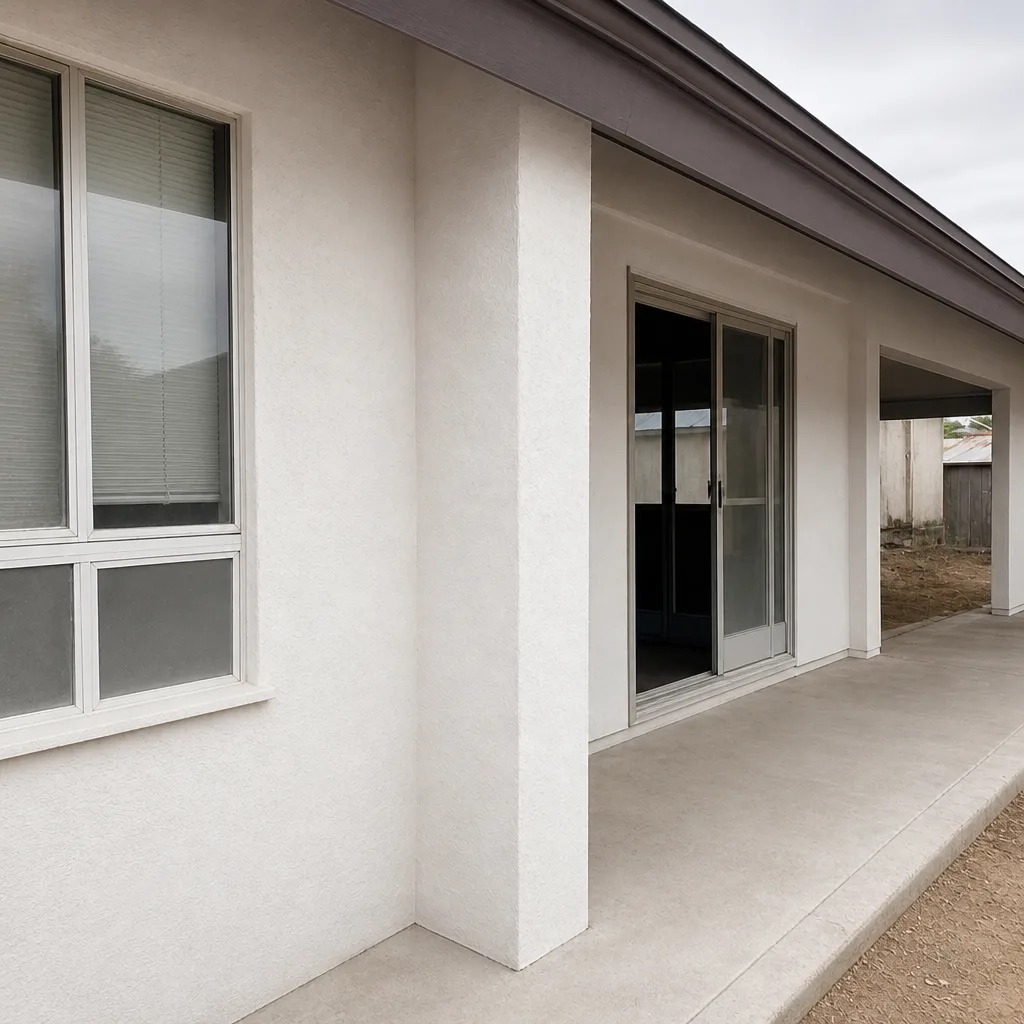 After
Table of Contents
- What Can and Can’t Be Maintained on an Energy-Efficient Window
- Cleaning Low-E Glass: pH, Cloths, and What Not to Touch
- Weatherstripping Inspection in Boulder City’s UV Environment
- Frame Drainage: The 90-Second Quarterly Check
- Sash Hardware Alignment and the Compression Seal
- The Full 12-Month Schedule at a Glance
- Logging Maintenance as a Dated Photo Record
- Common Mistakes to Avoid
- When to Call a Professional
- Frequently Asked Questions
- The Bottom Line
What Can and Can’t Be Maintained on an Energy-Efficient Window
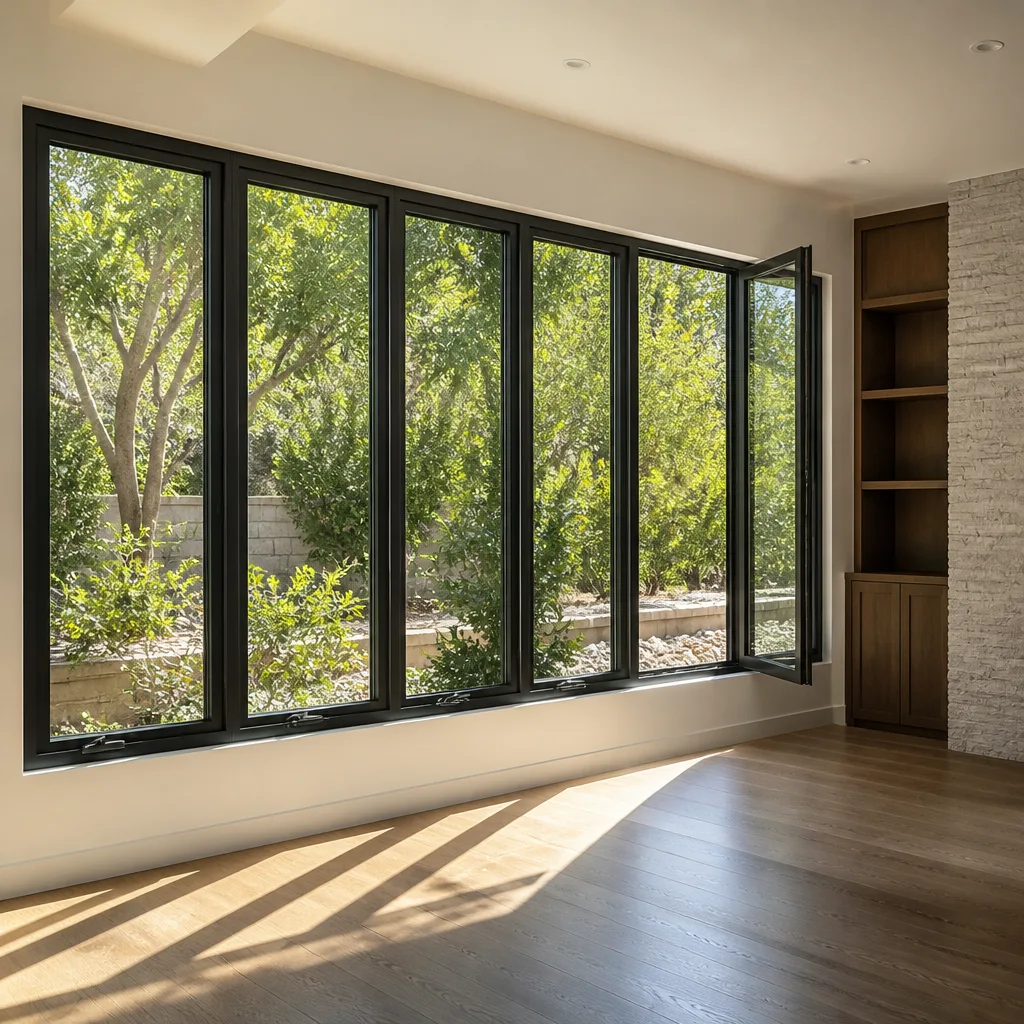
There’s a reason maintenance schedules for energy-efficient windows read thin: most of what makes the window efficient can’t be serviced at all. The glass assembly is a sealed unit. Inside it sits a low-E coating deposited on the glass surface, either on the inner face of one pane (surface 2 or 3) or the interior face of the room-side pane (surface 4). Between the panes sits argon or krypton gas, held in place by a spacer bar and a perimeter seal. None of that leaves the factory with a service interval. Once the seal fails, the unit is replaced, not repaired.
Everything outside the sealed unit is another matter. The frame, the weatherstripping, the drainage channels, the hardware, the gaskets, the caulk line at the rough opening, the sill pan. Those are the parts that determine whether the sealed unit stays intact for its rated life or gets compromised by moving air and water at year six. In our experience across thousands of installs and service calls, the failure stories aren’t about bad glass. They’re about a sash that was never squared, or a weep slot clogged with stucco dust for two summers in a row.
What that means for a maintenance schedule: you’re not maintaining the energy efficiency of the glass. You’re maintaining the conditions that let the glass perform as rated. That’s a smaller, more achievable list than it sounds. It breaks down as:
- Interior low-E surfaces (only when the coating is on surface 4, the room-side interior face) – clean twice yearly with pH-neutral solution and non-abrasive cloth.
- Weatherstripping and gaskets – inspect annually, replace on a three-to-four-year cadence in Boulder City.
- Frame drainage and weep slots – clear quarterly.
- Hardware and sash alignment – check quarterly, adjust as needed.
- Perimeter caulk and sill pan – inspect annually, touch up as needed.
Notably absent from that list: the sealed unit itself. If you’re seeing fogging between the panes, the seal is gone and no cleaning schedule fixes that. You’re looking at a replacement, and the choice of replacement comes down to spec (U-factor, SHGC) and the quality of the frame it’s going into. That’s a conversation for a real survey, not a maintenance checklist. See Window Replacement in Boulder City for what that looks like in practice.
Cleaning Low-E Glass: pH, Cloths, and What Not to Touch
Not every low-E window has a cleanable coating. It depends on where the coating was deposited during manufacture.
Interior-surface low-E (surface 4): the coating sits on the face of the innermost pane that you can touch from inside the room. On these windows, cleaning discipline matters. The coating is thin – roughly a few hundred nanometers – and aggressive chemistry or abrasion removes it in patches. Once the coating is removed from an area of glass, that area loses its reflective property. It won’t fog or crack. It will simply behave like clear glass in that spot, which is visible in shallow raking light.
Cavity-surface low-E (surface 2 or 3): the coating is on an inner face of the sealed unit, sealed away from you forever. Standard glass cleaning applies.
If you don’t know which one you have, treat every interior pane as if it’s surface 4. The downside is negligible; the downside of getting it wrong is a permanent coating defect on a window that was made to reflect heat.
Safe cleaning solution
Target pH between 6 and 8: neutral to very slightly alkaline. A few drops of mild dish soap in a quart of water lands around pH 7. A dedicated low-E glass cleaner sold as “pH neutral” is the same thing with a nicer label.
What to avoid:
- Anything ammonia-based – common in mainstream glass cleaners – is too aggressive for surface-4 low-E over repeated use.
- Vinegar solutions at typical concentration (pH around 2.5) are acidic and will strip surface-4 coating over time.
- Citrus-based cleaners fall in the same range.
- Abrasive powders and cream cleansers are an immediate fail.
Safe cloth materials
Microfiber: safe. Cotton terry cloth: safe. Flat-weave cotton bar towel: safe. Paper towels: safe for surface-4, but the older rough-process towels can leave micro-scratch texture over years of use. What is not safe: anything labeled “scrub,” “abrasive,” “non-scratch” scouring pads (which is a misnomer for coated glass – they scratch), melamine sponges (magic erasers), and plastic-bristle brushes. The coating doesn’t need to be scrubbed. It only needs to be wiped.
Frequency: interior low-E surfaces twice a year is right. In Boulder City, exterior pane cleaning wants three times a year – the desert dust and the fine silt from the lakebed blow-load coat glass faster than in more humid climates. Wipe exterior glass with the same pH-neutral solution and a microfiber cloth; the exterior face of an energy-efficient unit is not low-E.
Weatherstripping Inspection in Boulder City’s UV Environment
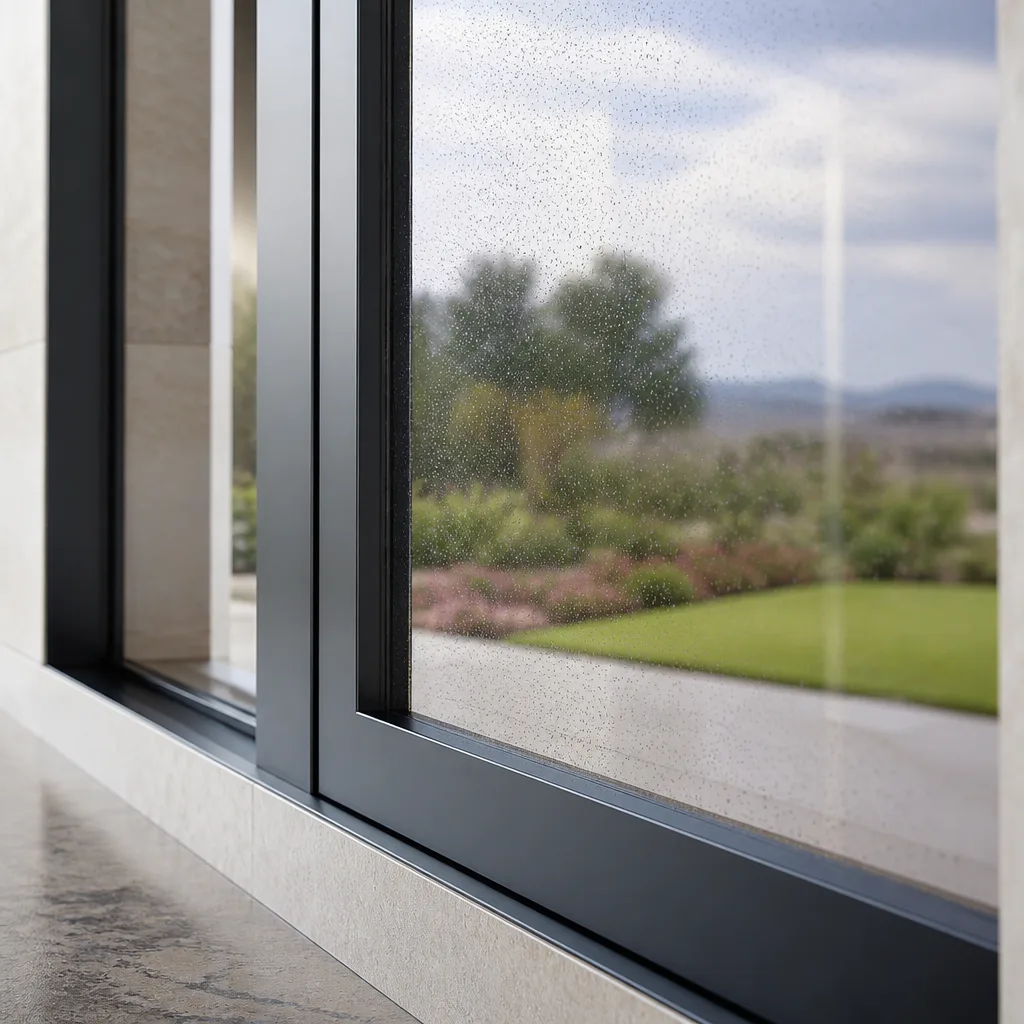
Standard energy-efficient window maintenance advice says “inspect weatherstripping every five years.” That advice was written somewhere that sees 4,500 annual heating degree days and a UV index that peaks at 6 on a bad summer day. It doesn’t apply here.
Boulder City sits in the Mojave at elevation, and the UV exposure on a west-facing window in July is punishing. Ultraviolet radiation breaks the polymer chains in weatherstripping (neoprene, EPDM, felt, and silicone blends). The failure mode is not dramatic. It’s a gradual loss of compression set: the strip deforms, stops bouncing back when the sash opens, and stops pressing against the jamb when the sash closes. The window still closes. The crack it leaves is a sixteenth of an inch. That sixteenth of an inch is enough to raise infiltration measurably, and it won’t show on your power bill until it’s added up across every window in the house.
For Boulder City installations, our working cadence is a full inspect-and-test cycle every year, with replacement planned every three to four years on any window that faces west or south without shade. North-facing windows can stretch to five or six. East-facing sit in the middle.
How to inspect weatherstripping (without a tech)
- Open the sash or door and look at the weatherstripping along the jamb and the meeting rail. Is it compressed flat, cracked along a fold, or pulled loose at a corner? Replace.
- Close the window on a strip of printer paper. The paper should hold with light resistance when you pull. If it slides out freely, that section of strip is not sealing.
- Run your finger along the channel where the sash meets the frame. Gritty residue is a sign the strip is breaking down and shedding material.
- Check the corners. Weatherstripping always fails at corners first, because mitered strips separate as the frame expands and contracts through the seasonal swing.
- Note where the failures are – north face, west face, corner of a specific window – and log them with the date. That record will be useful at warranty time.
Weatherstripping replacement is not glued in place for the whole frame; it’s a specific material specified to the frame profile. Vinyl frames typically take a bulb-seal or fin-seal strip. Aluminum-clad frames on something like a PGT or CGI unit often take a foam or fin-seal specified to the extrusion. Ordering the wrong profile produces a seal that performs worse than what came out.
Frame Drainage: The 90-Second Quarterly Check
Every modern energy-efficient window frame has a drainage system. Condensation that forms on the glass inside the frame, and any water that gets past the exterior seal, has to exit somewhere. It exits through weep slots or weep holes located on the exterior sill of the frame. On a quality installation those slots are baffled to keep wind-driven rain and dust out while letting water through. On most residential frames they clog.
The debris that clogs them is specific. In Boulder City, the top offenders are: fine desert dust after a wind event, stucco or mortar fragments from nearby construction, spider egg sacs, and pollen in the spring. Vinyl frames with a narrow weep channel clog faster than aluminum-clad frames with wider baffled slots. If your windows are vinyl and you have a significant dust event (the kind that coats your car in an hour), clear the slots shortly after.
The 90-second quarterly check
- Look at the exterior sill of the frame. Find the weep slots – they’re the narrow openings along the bottom edge, usually spaced every 6 to 12 inches.
- Shine a light through or hold a phone camera into the slot. You should see daylight on the other side.
- Use a soft-bristle brush or a toothpick to clear obstruction. Do not use a sharp metal tool; you’ll scratch the anodized finish or distort the baffle.
- Pour a cup of water into the bottom channel of the frame on the interior side. It should drain through the weep slots within a few seconds and exit clearly on the exterior. If it pools, the slot is still blocked, and you should call for service.
- Repeat for every operable window and every sliding door.
Blocked weep slots are the most common cause of frame rot and interior water staining we see on service calls. They also accelerate weatherstripping degradation, because standing water softens the strip. A clogged slot in a vinyl frame often presents as a dark stain on the interior sill long before a visible leak. In aluminum-clad units, the clog usually shows first as an efflorescence streak on the exterior stucco below the sill.
If you’re not sure what your weep slots should look like, our team documents them on every visit – it’s one of the standard photographs in the job record. The Sightline Windows & Doors Boulder City home page lays out what that documented record includes.
Sash Hardware Alignment and the Compression Seal

This is the failure most homeowners never see, because it’s measured in sixteenths of an inch. A sash that sits 1/16 inch out of square at a corner doesn’t look broken. The window opens and closes. It might even latch. But the compression seal – the weatherstripping that’s designed to be crushed against the jamb when the sash closes – is not making full contact along its run. The result is a path for air infiltration along one edge, and that path is measurable on a blower door test even when the sash looks perfectly seated.
What causes the drift:
- Hardware loosens over hundreds of open-and-close cycles, especially on casement and awning windows where the sash swings.
- Hinge screws back out under vibration from wind and door slams elsewhere in the house.
- The sash frame itself moves as the surrounding frame expands and contracts with the seasonal thermal swing – in Boulder City that swing runs 60 to 70 degrees Fahrenheit between January and July, and the frame accommodates it by moving.
- Roller tracks on sliding windows accumulate debris, causing the sash to ride up unevenly on one side.
Quarterly sash alignment check
- Open the window fully and look at the gap between the sash and jamb at all four corners. Measure it with a tape if any corner looks uneven – the gap should be within 1/16 inch at every corner.
- Close the window and press against each corner in turn. Any movement past light pressure indicates hardware that needs tightening.
- Check hinge screws and operator screws with a screwdriver. If they turn freely, they were loose. Tighten them snug – not overtight.
- Slide a piece of paper around the full perimeter of the closed window. It should meet resistance along the whole run. Where it slips through, the compression seal is not engaged.
- For sliding windows, check the roller tracks: they should be clean and the sash should ride level along the full opening.
Adjustment beyond tightening is where a trained technician earns the fee. Casement operators have specific alignment tolerances, hinges on tilt-turn windows have torque specifications, and an out-of-square sash that isn’t corrected will continue to stress the frame at the corners – which is where the spacer bar sits inside the sealed unit. In our experience, this is the mechanical path that leads to a failed glass unit years before the gas would have lost its concentration on its own.
The Full 12-Month Schedule at a Glance
Here’s how the checks line up through the year for a Boulder City home. Adjust outward for a south or west elevation with full sun.
Quarterly (January, April, July, October) – 90 minutes total per cycle
- Clear all weep slots. Verify drainage with a cup of water.
- Check sash alignment at all four corners. Tighten hardware.
- Paper-test the perimeter seal on each window and door.
- Wipe interior low-E surfaces only if coating is on surface 4.
- Photograph anything that changed. Log the date.
Annually (once, late spring)
- Full weatherstripping inspection – all windows and doors.
- Inspect and touch up perimeter caulk at the rough opening. Caulk failure is the leading exterior source of water intrusion on a well-installed window.
- Check sill pan and exterior flashing for rust, separation, or debris.
- Exterior glass cleaning – the third of three annual cleanings, timed after the spring wind season and before the summer dust events.
- Inspect glazing gaskets around the sealed unit and replace any that have shrunk or hardened.
- Pressure-wash or garden-hose the exterior frames to clear accumulated dust, but keep water out of the weep slots if they haven’t been cleared first.
Every three years
- Full glazing and frame review by a trained technician – includes U-factor and SHGC review if you’re assessing whether the windows still perform to spec, and a spacer bar and seal inspection that a homeowner can’t do visually.
- Consider replacing the weatherstripping proactively on west and south elevations, even if the strip still looks serviceable. The failure mode here is invisible degradation, not visible tear.
- Replace window screened ventilation openings if the screen mesh has failed – screens protect weep slots and glazing gaskets from debris.
If you’re at the three-year mark and you’re wondering whether to schedule the review or just have us out for an inspection, the difference is that a review includes assessment against spec – what the window was rated for versus what it’s delivering. That’s a different service from routine maintenance. See Window Installation in Boulder City for how we specify performance tier on new installs, and the Door Installation in Boulder City page covers the same logic for door units, which take the heaviest cycling loads in the house.
Logging Maintenance as a Dated Photo Record

The most useful part of a maintenance schedule isn’t the work itself – it’s the evidence the work happened. Warranty claims on windows hinge on whether the failure was caused by defect or by neglect. If a weathering seal fails at year four and a warranty claim is filed, the manufacturer is going to ask whether the weep slots were clear, whether hardware was adjusted, whether the installation was to spec. A dated photo record answers that.
Here’s the format we recommend to every customer, and it’s the same format we use on our job records:
- Date and time stamp on every photograph.
- Per-window identification – a labeling scheme in your records (living room west, primary bath north). Photograph the window from exterior and interior.
- Weep slot close-up – both before clearing and after.
- Sash corners – all four, showing the gap.
- Weatherstripping – the full perimeter strip, in focus, with the failing section photographed closely.
- Hardware – the visible screw heads and operators, before and after adjustment if applicable.
- Notes – what was done, what was found, what was deferred.
That record serves three purposes. It documents maintenance for warranty support. It establishes a baseline for future comparisons – if a seal that measured even at year two suddenly shifts at year four, the photos prove when it changed. And it makes any service visit faster, because the technician walks in with the history instead of starting cold. Our own records work the same way: every visit at Sightline Windows & Doors Boulder City finishes with a documented photo record, included as standard, not as an upsell.
Common Mistakes to Avoid
- Using vinegar or ammonia-based cleaners on interior-surface low-E. The mistake is common because both are recommended for regular glass. On coating applied to surface 4, they strip the coating over time. If you don’t know your surface, treat it as coated.
- Waiting five years to inspect weatherstripping because a national guide said so. That guidance doesn’t account for Boulder City’s UV load. A window that inspects fine in coastal California may be at end of strip life in three years here.
- Assuming weep slots clear themselves when it rains. They don’t. Stucco fragments, desert dust, and spider sacs plug them, and rain arrives before a homeowner’s calendar does. Clear on schedule, not on weather.
- Substituting silicone caulk for the specified sealant at the perimeter. Silicone is not compatible with all frame materials or expansion coefficients. A seal that fails early at the perimeter lets water in behind the frame where no maintenance can reach it.
- Adjusting casement operator screws without a torque specification. Overtightening crushes the gasket and produces the same infiltration the loose screw did. If you don’t know the spec, hand it to a tech.
- Skipping photographs because “nothing changed.” The photo is the point – the differential between an “even” record and a shifted one proves when a change happened. A skipped photograph breaks the warranty chain.
- Cleaning exterior glass with a pressure washer at full pressure. Water forced past the glazing gasket is one of the more common causes of internal moisture we see on service calls in Boulder City, especially on sealed units that were fine before the wash.
When to Call a Professional
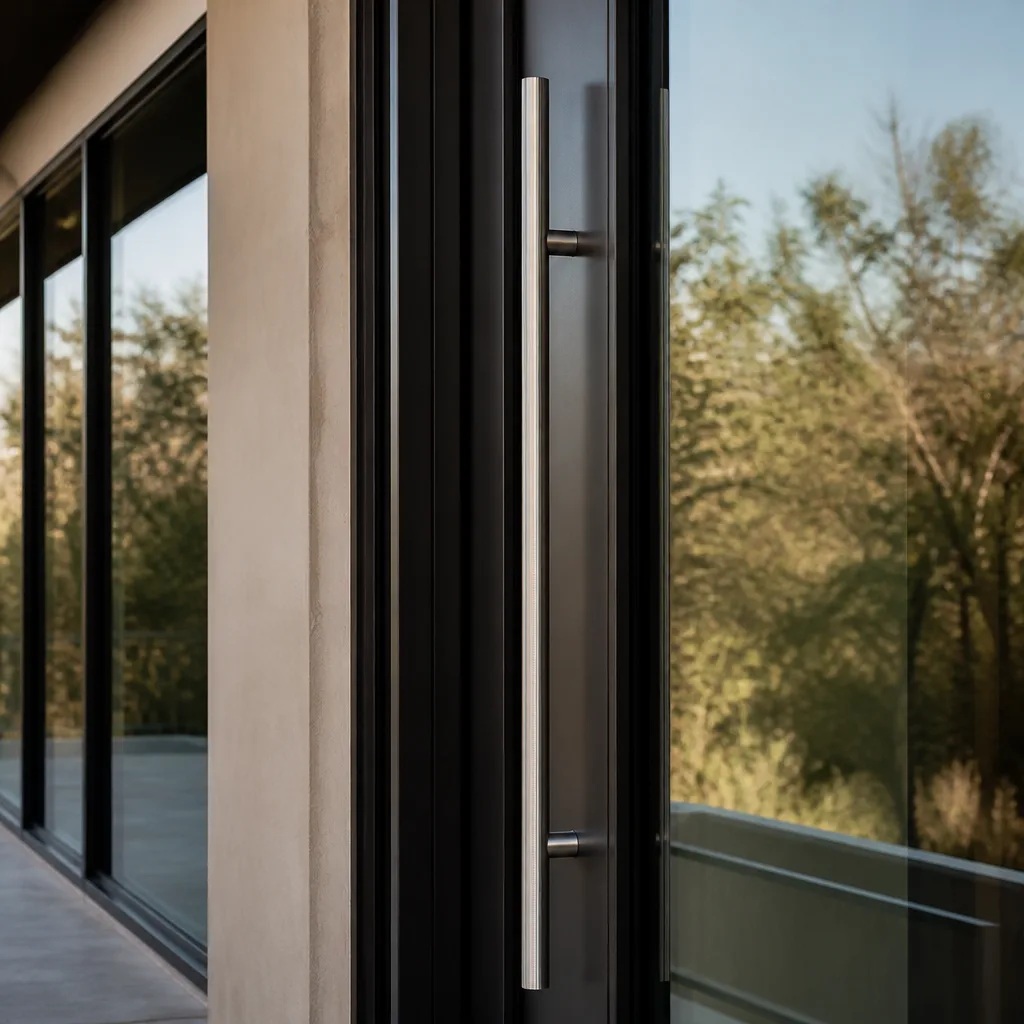
Some of this schedule you can run yourself. Some of it, you shouldn’t. Call for a professional if any of the following are true:
- The glass unit is fogging, condensing between panes, or showing a visible haze inside the cavity. That’s a seal failure, not a maintenance issue, and the unit needs replacement.
- A sash is more than 1/8 inch out of square at any corner, or hardware adjustments don’t hold after tightening.
- Water pools in the frame channel after a cup test even with weep slots visually clear – that indicates an internal drainage problem.
- Frame rot, soft spots, or efflorescence on the exterior stucco below a sill.
- Weatherstripping replacement is needed across more than a couple of windows – matching the right profile to the frame matters, and getting it wrong is a repeat visit.
- You’re at the three-year review mark and want spec-level assessment against the window’s original performance rating.
Sightline Windows & Doors Boulder City offers free estimates in Boulder City – call (833) 847-4018. Every job under the Haven Standard begins with a written price before any work starts, and every visit finishes with a documented photo record. Our technicians have up to 14 years of experience, and every one is background-checked, uniformed, and identified by license number before arrival.
Frequently Asked Questions
Quarterly for drainage and hardware, annually for weatherstripping and caulk, and every three years for a full glazing review. That’s a tighter cadence than what national guides suggest, because Boulder City’s UV exposure and dust events run higher than the averages those guides use.
Not if the coating is on the interior (surface 4) face. Both are aggressive enough to strip the coating over repeated use. Use a pH-neutral solution (pH 6 to 8) and a microfiber cloth. If you don’t know your coating location, treat all interior panes as coated.
UV exposure. The Mojave sun degrades the polymer in neoprene, EPDM, and foam strips faster than most climates. West-facing and south-facing windows take the most load, and we typically plan strip replacement on those elevations every three to four years rather than five.
You won’t see standing water from inside. What you’ll see is a dark stain or efflorescence on the interior sill (vinyl frames) or a mineral streak on the exterior stucco below the sill (aluminum-clad frames). Hold a phone camera into the slot – if there’s no daylight visible through it, it’s clogged. Clear with a soft-bristle brush.
Measure the gap between the sash and jamb at all four corners. If any corner is more than 1/16 inch off, the sash is out of square and the compression seal along that edge is not making full contact. Paper-test the perimeter to confirm – a slip with no resistance indicates an infiltration path.
Yes, and photographs are the useful part. Dated photos of weep slots, sash corners, and weatherstripping establish a baseline and prove when a condition changed. If a warranty claim is filed, that record answers whether the failure was caused by defect or by neglect – which is usually the whole question.
The Bottom Line
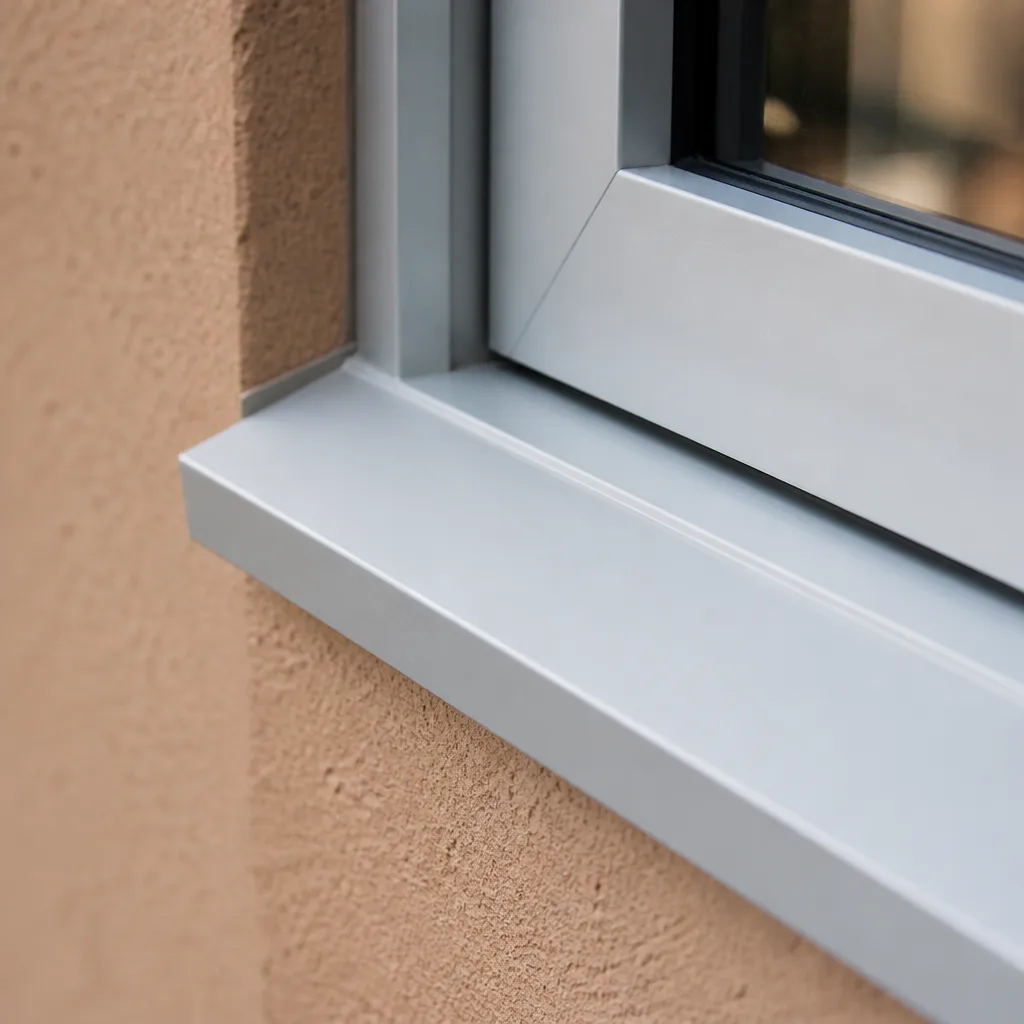
The low-E coating and the argon fill can’t be maintained. The frame, the weatherstripping, the drainage, and the hardware can – and in Boulder City they need to be, on a shorter cycle than climatic averages suggest. Quarterly weep-slot clearing and sash alignment, annual weatherstripping and caulk inspection, and a full glazing review every three years keep the sealed unit inside its rated life. Log every visit with dated photographs. That record is what protects the warranty, informs the next visit, and lets you spot a change while it’s still cheap to fix. If you’d rather not carry that schedule alone, that’s what we’re here for – and the price will be written before anyone starts.
Written by the team at Sightline Windows & Doors Boulder City.
Call (833) 847-4018 for a free estimate. We’ll bring the measured survey, put the price in writing before any work starts, and leave a documented photo record when it’s done.
Six Reasons Homeowners Choose Sightline Windows & Doors Boulder City
Laminated glass and reinforced frames hold up to wind-driven rain, hail and flying debris, so your openings stay sealed when the weather turns.
Low-E insulated impact glass from our manufacturer lines commonly cuts monthly cooling bills 20-30%.
Laminated impact glass shuts out up to 40% of outside noise - traffic, neighbors, weather.
Monitoring services run $30-90 a month. Laminated impact glass resists forced entry around the clock, with no subscription.
Tighter seals and insulated glass even out hot and cold rooms and stop the drafts at the frame.
A full impact package upgrades curb appeal, buyer confidence and appraised value in one project.
Other Sightline Windows & Doors Boulder City Services