Last updated November 17, 2026
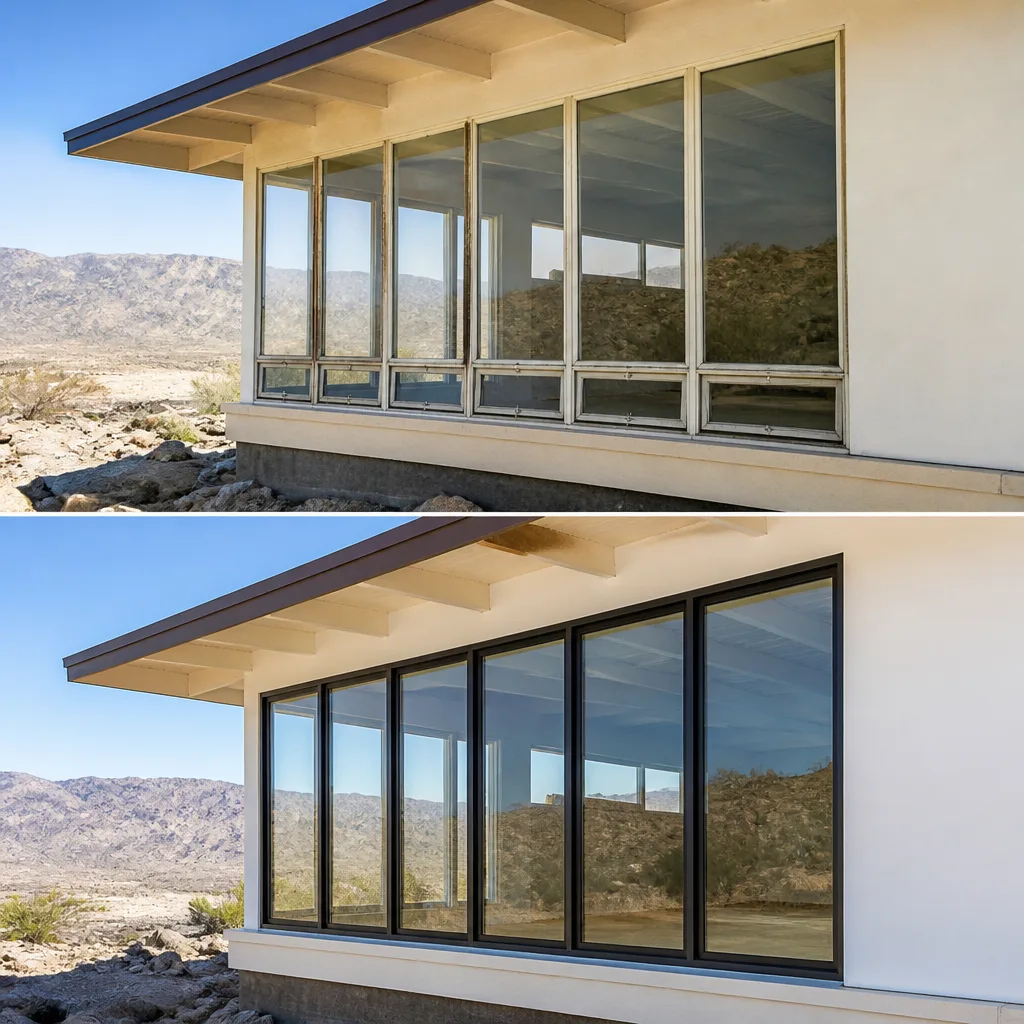
New windows and doors improve comfort, cut energy bills and add long-term value to your home. Sightline Windows & Doors Boulder City pairs proven product lines with a local vetted installing partner for lasting performance - and a price put in writing.
Choose your installer
The unit is half the job - the install is the other half. Background-checked local installers measure, set, seal and insulate every opening, and they know the lines we quote inside and out.
Select the right products
Compare styles, materials and glass packages side by side until the fit is right for your rooms, your budget and your goals. The product-line comparison below is the place to start.
Prepare your home for install
Before install day we walk you through a short checklist - furniture pulled back, treatments down, a clear path to each opening - so install day is watch-it-happen, not scramble.
Compare the Lines We Quote
Every project is priced on the same lines, side by side - the price indicators below are relative, and your consultant shows exact numbers on your actual openings.
PGTThe line homeowners arrive naming - the most impact certifications in the industry$$$
- More impact certifications than any other line we quote
- WinGuard, EnergyVue and ClassicVue Max systems built for every wind zone
- 99% on-time delivery keeps your install date on the calendar
CGIThe heavyweight impact line$$$$$
- Large-missile impact ratings for the strictest wind zones
- Architectural-grade aluminum with commercial-depth frames
- The line we quote when protection is the whole point
CWSThe value pick$$
- Vinyl systems built to strict wind codes
- Strong energy packages at the friendliest price point
- The smart start for whole-home replacements on a budget
ESWSlim lines, big glass$$$$
- Narrow-sightline aluminum for modern elevations
- Oversized openings and floor-to-ceiling glass
- Impact-rated without the bunker look
ECOThe aluminum impact workhorse$$$
- Factory-built aluminum impact systems
- A strong price-to-protection ratio for coastal homes
- Proven lines with short lead times
Impact Windows & Doors Troubleshooting: Common Problems and How to Fix Them
Here’s a fact that surprises most homeowners: in impact glazing, a crack on the outside face of the glass and a crack on the inside face are two completely different events. One means the unit must be replaced. The other may be a cosmetic note in a file. From the living room, they look the same. We’ve walked Boulder City homes where a homeowner spent a season ignoring what turned out to be a compromised structural rating, and other homes where a tiny inner-lite chip was treated like a catastrophe. This guide separates the three failure classes of impact glazing, maps each one to the correct repair pathway, and tells you which problems you can adjust yourself and which belong to the installer or the manufacturer.
Quick Answer

Impact windows and doors fail in three distinct ways: an outer lite crack (structural rating compromised, full unit replacement required), an inner lite crack (non-structural, sometimes field-repairable), and interlayer delamination visible as milky or bubbled patches (a warranty matter, not a repair). Door hardware problems – multipoint lock misalignment, hinge stress, threshold sweep gaps – are usually adjustment issues that follow a different sequence on impact-rated assemblies than on standard doors.
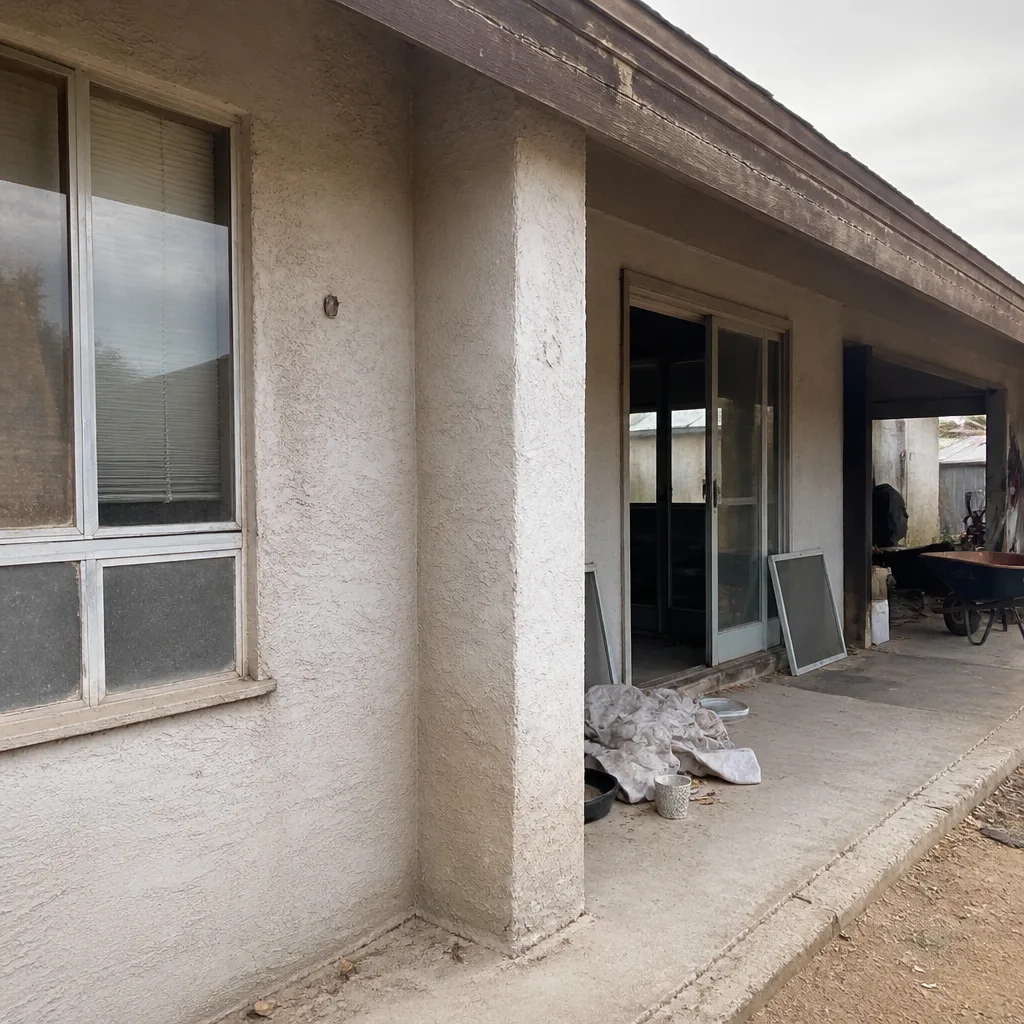 Before
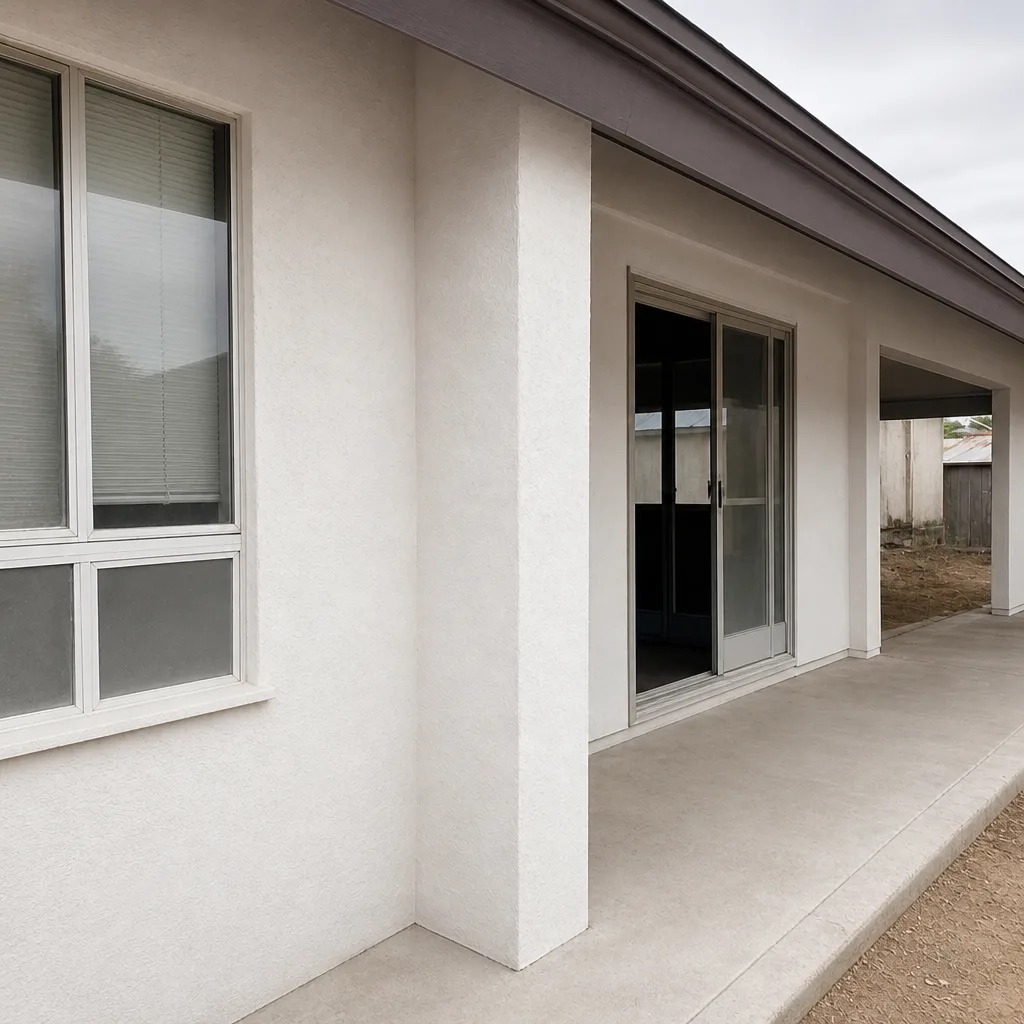 After
Table of Contents
- The Three Failure Types in Impact Glazing
- Outer Lite Crack vs. Inner Lite Crack: How to Tell Them Apart
- Interlayer Delamination: Desert Thermal Cycling and Warranty Territory
- Impact Door Hardware: Adjustment Sequence and Stress Symptoms
- What a Valid Impact Glazing Warranty Claim Requires
- Homeowner-Adjustable Problems vs. Installer Callbacks
- Why Boulder City’s Climate Accelerates Specific Failure Modes
- When to Call a Professional
The Three Failure Types in Impact Glazing
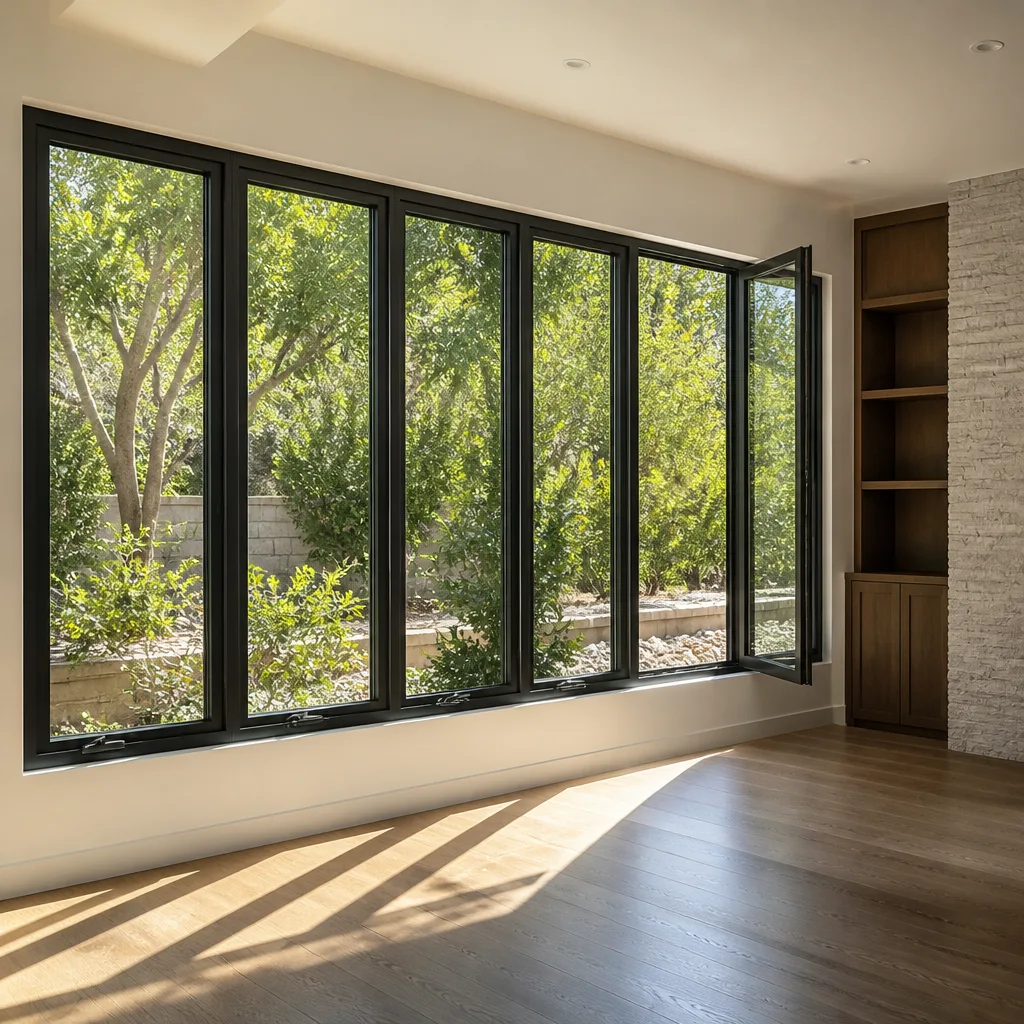
Standard dual-pane windows have one failure that matters: the seal between the panes breaks and you get fogging. Impact glazing has an extra layer in the middle – a laminated interlayer, usually a polyvinyl butyral (PVB) or a stiffer structural variant – bonded between two lites of glass. That interlayer is what holds the assembly together after impact and what keeps the opening rated. It also changes what can be fixed in the field and what cannot.
Here are the three failure types, in the order they matter:
- Outer lite crack or break. The outer pane is the impact face. When it cracks, the interlayer usually keeps the unit air-sealed and weather-tight, which is why the damage can go unnoticed for weeks. But the structural rating of the opening is compromised until the unit is replaced. No field repair restores an impact rating.
- Inner lite crack or chip. The inner pane is not the impact face. A crack here is often non-structural and sometimes repairable with a resin fill if it is small and away from the edge. Anything that reaches the frame or runs more than a few inches usually means replacement.
- Interlayer delamination. The bond between the interlayer and the glass separates, showing as a milky haze, a rainbow sheen, or distinct bubbles starting at the edge. This is almost always a warranty claim, not a repair.
In Boulder City, the third type shows up more than homeowners expect. Our temperature swings between summer highs near 110°F and winter nights in the 30s put repeated differential expansion on the edge seal. We’ve replaced ES Windows and ECO Window Systems units in the Historic District where the delamination started at the bottom edge of a south-facing opening and crept inward over two summers.
Outer Lite Crack vs. Inner Lite Crack: How to Tell Them Apart
The single most useful skill in impact glazing troubleshooting is identifying which lite cracked. You can do it without tools in about thirty seconds, from inside the house. Run a fingernail or a coin gently across the glass surface on the interior side. If the crack does not catch at all, the break is on the outer lite. If it catches, the inner lite is damaged. Then look at the light: an outer lite crack usually shows a faint shadow line or a slight distortion of the view through the laminate. An inner lite crack has no shadow because there is no glass layer between it and your eye.
Once you know which lite is involved, the pathway is fixed:
- Outer lite cracked: stop treating the window as an impact-rated opening. It still keeps rain out, but a wind-borne missile protection claim would not hold. Schedule a measured survey and a replacement quote. Most manufacturers require full unit replacement, not pane swap, because the interlayer bond cannot be re-established in the field.
- Inner lite cracked, small and away from the edge: photograph it with a tape measure visible for scale, keep the documentation, and monitor. Some brands allow resin repair; many do not. Confirm with the manufacturer’s written spec before paying anyone to fill it.
- Inner lite cracked, running to the frame or large: treat it as a replacement. Edge cracks propagate under thermal stress, and a Boulder City summer will finish the job in a few weeks.
If you’re not sure which lite is which on a given window, that’s the point to stop guessing. Our window replacement in Boulder City surveys identify the lite, the interlayer type, and whether the unit is still rated before any number is written.
Interlayer Delamination: Desert Thermal Cycling and Warranty Territory
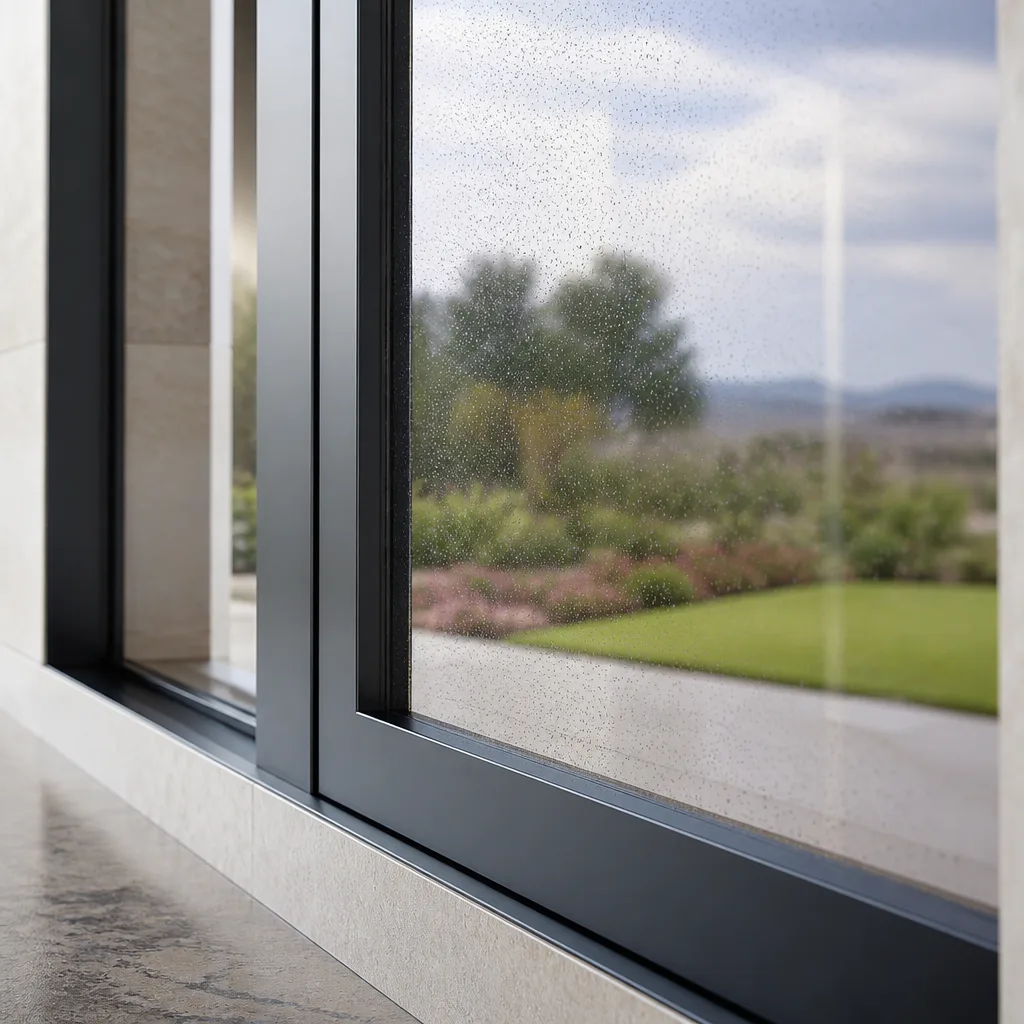
Delamination is the impact glazing problem most often mistaken for something else. It starts at an edge and looks like a milky halo, a faint oil-slick rainbow, or a row of tiny bubbles trapped in the glass. Homeowners call it fogging, but fogging is a seal failure between panes; delamination is the interlayer letting go of the glass itself. The distinction matters because a fogged dual-pane unit is a comfort problem, while a delaminated impact unit is a rating problem and a warranty claim.
How to distinguish delamination from installation stress:
- Delamination begins at the perimeter, follows the edge, and spreads inward over months. It does not change with temperature during the day.
- Installation stress shows as a tight, bright pattern that appears immediately after install, often at a corner where the frame is shimmed too hard. It can change appearance as the frame warms and cools.
- Seal failure (fogging) is a uniform haze between panes that appears evenly, not at the edge, and does not look like bubbles.
In our Boulder City work, delamination claims cluster on south and west elevations where afternoon sun hits the frame directly. The pattern is consistent enough that when we survey a home with multiple delaminated units, we check the orientation of every affected opening first. If the affected units are all on one side, that’s a thermal cycling signature. If they’re scattered across orientations with no pattern, we look at the original install for a mechanical cause. Both paths need documentation.
Impact Door Hardware: Adjustment Sequence and Stress Symptoms
Impact-rated doors carry heavier hardware than standard doors because the frame, hinges, and lock have to stay engaged under wind load. Multipoint locks, reinforced hinges, and thicker impact-rated frames are the norm. That means the adjustment sequence after any settling or seasonal shift is different from what a standard door needs, and the symptoms arrive in a predictable order.
Here’s the sequence we follow on a callback:
- Check the frame first, not the hardware. A door that suddenly rubs at the top corner is usually showing frame movement, not hinge failure. Use a level on the jamb and check the gap at the head and strike side.
- Test each lock point individually. Close the door gently and listen. Multipoint locks engage in sequence; if one point catches before the others, that point is misaligned and the handle will feel stiff even though the problem is a single shoot bolt.
- Check hinge screws for backing pull. Impact doors are heavy. Reinforced hinges need solid backing, and in older masonry in Boulder City’s Historic District we regularly find hinge screws that have pulled their anchors by a quarter inch over a couple of summers.
- Set the threshold sweep last. The sweep should touch the threshold evenly along its length. If it drags on one end, the frame shifted or the sweep is worn; replacing the sweep before fixing the frame just wastes the sweep.
Hardware stress versus frame movement: hardware stress shows as a stiff handle, uneven lock engagement, or a hinge that pulls away from the frame. Frame movement shows as a consistent drag at one corner of the door slab, a gap that opens and closes with temperature, or daylight visible at the sweep under load. The first is a hardware adjustment; the second is a re-set of the frame and potentially a re-shim. On a Therma-Tru impact entry, we’ve seen both problems present at once, which is why the sequence matters.
What a Valid Impact Glazing Warranty Claim Requires
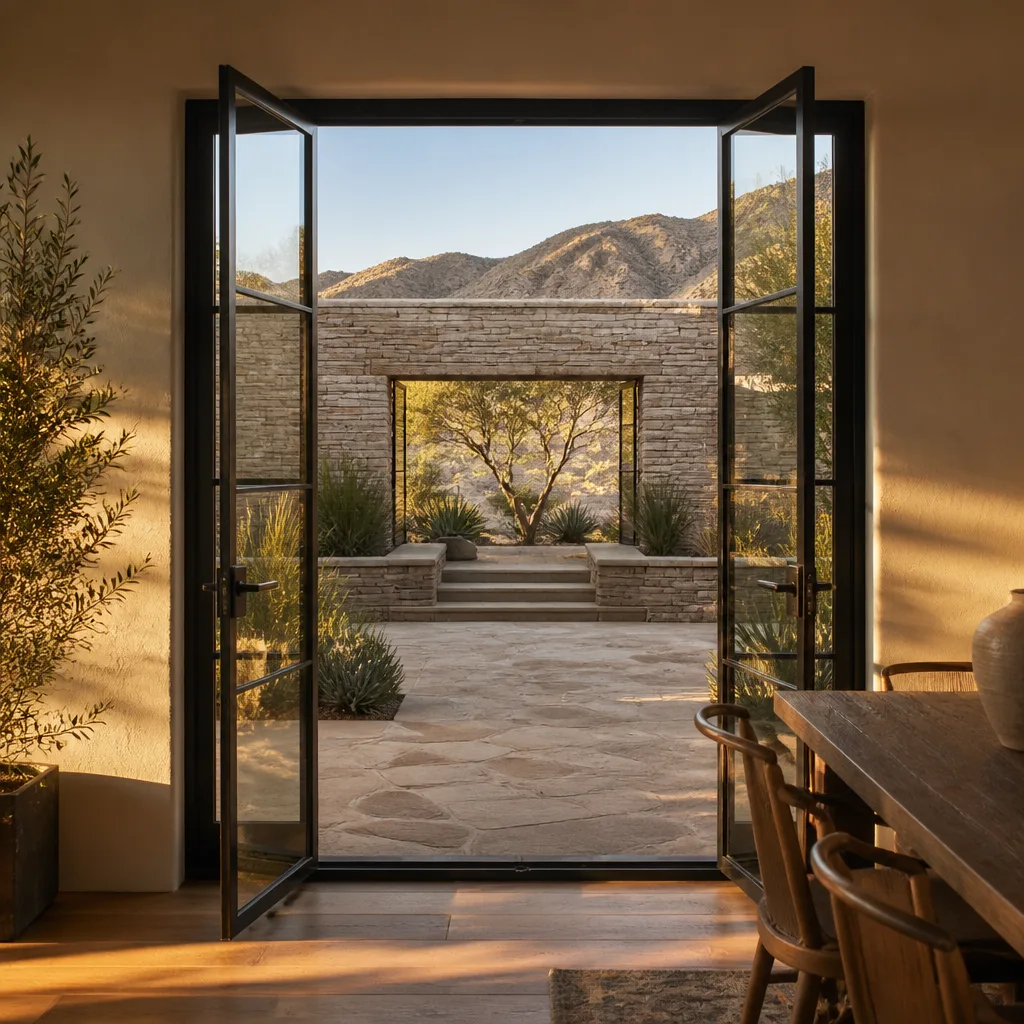
Impact glazing warranties are specific, and they fail more often on documentation than on merit. A manufacturer will accept a legitimate delamination claim, but only with evidence that pins down what failed, where, when, and which unit. Most homeowner claims stall because the photo was taken from six feet away with no scale, no date, and no context.
What a claim file needs to include:
- Photos that capture the edge. A clean, well-lit shot of the delamination or crack starting point, with a tape measure visible for scale. Filename the photo with the room name and date.
- Photos of the full unit from inside and outside. The interior shot identifies the opening; the exterior shot identifies the elevation and sun exposure.
- Measurement of the affected opening. Width, height, and sill height. Manufacturers match claims to the original order by dimension.
- The original installation record. This is the foundation. A dated photo record of the install, showing the unit in place before trim, confirms the unit that failed is the unit that was sold. Without it, the manufacturer has no way to rule out field damage.
- The written warranty and the written quote. Both should travel with the claim. If the quote listed laminate type and impact rating, that document is the reference point for the rating the replacement must match.
We photograph the install on every job under the Haven Standard’s Evidence clause because that record is the customer’s claim file when a failure happens. Mr-Glass and other manufacturers will ask for it, and a homeowner who has it gets a faster answer than one who has to reconstruct the timeline from memory.
Homeowner-Adjustable Problems vs. Installer Callbacks
Not every problem needs a callback, and knowing the line saves time and preserves the workmanship warranty. Some adjustments are simple and safe to do yourself. Others fall under the original installer’s responsibility and should not be touched by anyone else.
Homeowner-adjustable:
- Door closer speed. Most closers have two screws on the body – one for sweep speed, one for latch speed. A quarter turn at a time gets you where you want to be.
- Multipoint lock alignment, minor. If a single point drags and the frame is plumb, a small adjustment to the strike plate often resolves it. Mark your starting position before you move anything.
- Threshold sweep contact. Replacing a worn sweep is a homeowner task on most impact doors. Match the profile exactly.
- Cleaning and lubrication. Hardware that runs on a schedule stays out of trouble. Graphite on lock cylinders, dry silicone on hinges; never oil in a desert climate, because it attracts grit.
Installer callbacks under the workmanship warranty:
- Frame movement, shimming, or out-of-plumb jambs. Do not re-shim a load-bearing frame yourself.
- Outer lite cracks within the warranty period, whether the cause is thermal, installation stress, or impact. The installer’s record is part of the claim file.
- Delamination starting at the edge within the warranty term. This is warranty territory and must be documented by the installer.
- Any fogging between panes. The seal failure is inside the unit and only the manufacturer can address it.
If you’re not sure which category a problem belongs to, call. Our team answers live 24/7, and being told “that’s a quick adjustment you can do now” is a perfectly good outcome. Book a door installation in Boulder City survey if the problem looks structural, and we’ll confirm what the frame is doing before anyone touches the hardware.
Why Boulder City’s Climate Accelerates Specific Failure Modes

Boulder City sits at a specific intersection of conditions that stress impact glazing in a particular way. Summer surface temperatures on south-facing glass measurably exceed ambient air temperature, and the winter cold snaps in the teens and low twenties arrive fast. That swing is the driver of edge delamination, and it’s why we survey the orientation of each affected unit before we write a claim narrative.
The neighborhoods matter too. Homes in the Historic District were built across decades with varied masonry and framing, so the impact frames were set into wall conditions that were not all designed for impact-rated loads. In newer construction around Bootleg Canyon and the Lake Mead view corridors, the challenge is the opposite: wide glass runs and more sun exposure per opening. We’ve seen Therma-Tru impact entries on west-facing walls where the sweep took more UV cycling than the doors on the east side of the same house, and the hardware wear showed the difference within a few summers.
The practical takeaway: when you’re assessing a problem, note which side of the house it’s on. Two units of the same age and brand can fail in the same year for different reasons in Boulder City, and the correct pathway depends on which side they face.
Common Mistakes to Avoid
- Treating an outer lite crack as cosmetic. The interlayer keeps it sealed, so it looks fine, but the opening has lost its structural rating. The correct move is a replacement quote, not a wait-and-see.
- Paying for a resin fill on an inner lite crack the manufacturer won’t honor. Confirm the written spec first. Many brands void coverage the moment a third party touches the glass.
- Confusing delamination with fogging. In a Boulder City summer, a sun-facing unit with an edge milky ring is delaminating and needs a warranty claim, not a dual-pane fog repair.
- Doing a hardware adjustment on a door with frame movement. If the drag is at one corner of the slab, the frame is out of plumb. Adjusting the lock strike only delays the real fix and can over-stress the hinges.
- Filing a warranty claim without the original install photo record. Manufacturers match the failed unit to the sold unit through the installation documentation. Without it, the claim stalls.
- Re-shimming an impact frame yourself. Impact-rated assemblies are engineered as a system. Frame adjustments done outside the installer’s scope can cancel workmanship coverage.
- Ignoring a small hinge-screw pull on an impact door. Heavy slabs need solid backing. A quarter-inch of play at the hinge line is a warning, not a nuisance.
When to Call a Professional
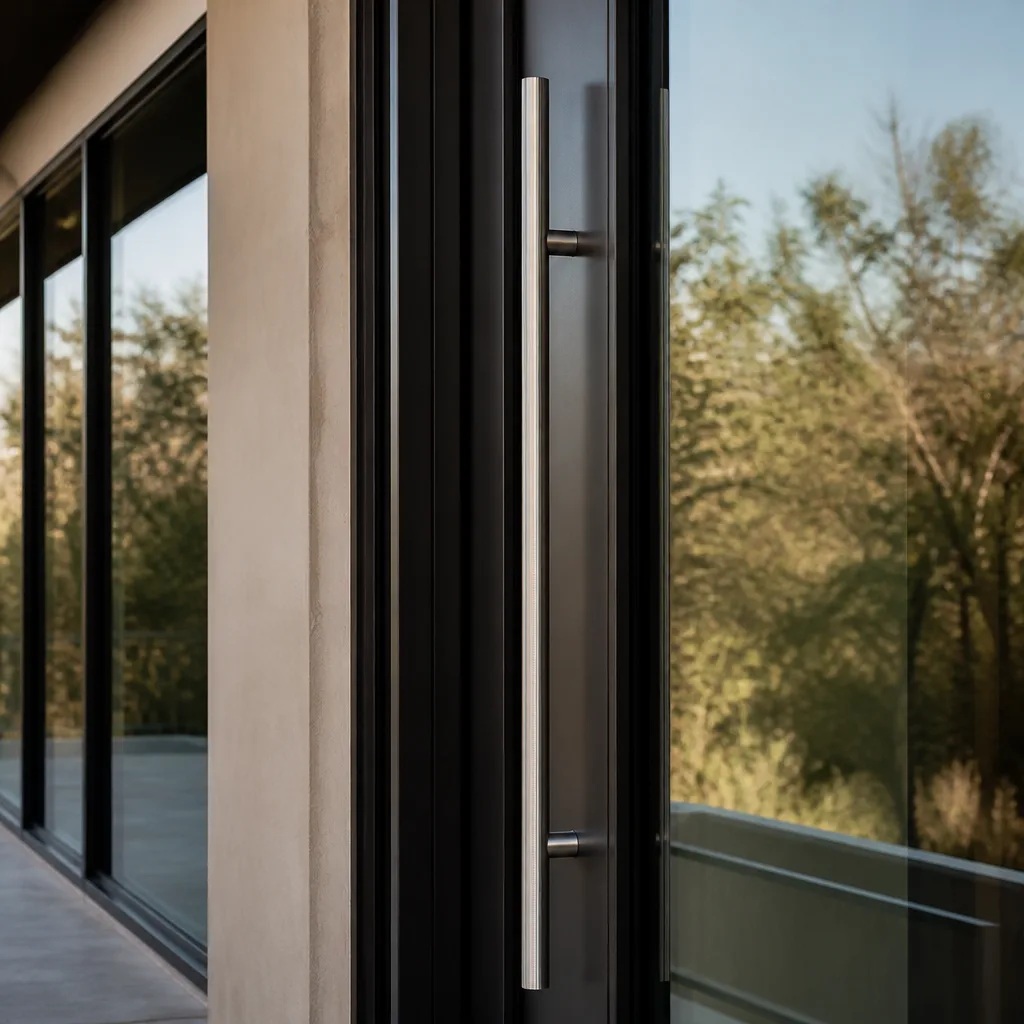
Call a professional when the crack has reached the frame, when there’s any doubt about which lite is damaged, when the frame has moved, when delamination has started at an edge, or when a warranty claim needs documentation you don’t have. Also call when you’re filing against a workmanship warranty – the original installer’s photo record is the anchor of the claim, and you want them back on the record. Don’t call for a door closer that’s sweeping too fast; that’s a screwdriver job. Sightline Windows & Doors Boulder City offers free estimates in Boulder City – call (833) 847-4018. Bring a competitor’s written quote if you have one; our free second-opinion review covers any written estimate at no charge.
Frequently Asked Questions
It depends on which lite cracked. An outer lite crack compromises the unit’s structural impact rating and requires full unit replacement; no field repair restores the rating. An inner lite crack that’s small and away from the frame sometimes qualifies for resin repair, but only if the manufacturer’s written spec allows it. Call (833) 847-4018 for a free estimate to identify the lite and the correct pathway.
That’s interlayer delamination, and it’s a warranty claim, not a repair. The pattern of a milky edge ring that spreads inward over months is the signature of differential expansion between the interlayer and the glass under thermal cycling. Boulder City’s summer-to-winter swing stresses south and west elevations hardest. Call (833) 847-4018 and we’ll confirm the diagnosis and document the claim.
On an impact door, that symptom is usually one of two things: a single multipoint lock point that’s misaligned, or frame movement making the whole assembly out of plumb. Test each lock point individually; if only one catches, it’s the point. If several catch in sequence and the door drags at a corner, the frame has moved. Call (833) 847-4018 for a survey to confirm which it is.
You need dated photos of the failure with a tape measure for scale, inside and outside shots of the full unit, the opening’s measurements, and the original installation photo record that ties the failed unit to the unit that was sold. Without the install record, the claim usually stalls. Call (833) 847-4018 if you need the record reconstructed or reviewed.
Replacement pricing depends on the unit size, the manufacturer line, the laminate type, and the opening’s complexity. We don’t quote from a phone description; the measured survey is how the number gets written, and that written price cannot differ from the survey document. Call (833) 847-4018 to schedule the free measured survey – the estimate is free.
Delamination caused by thermal cycling is generally a manufacturer warranty matter, not an insurance claim. A crack from a specific event – hail, a projectile, impact – is more likely to be an insurance conversation. Read the warranty terms before you file either. Call (833) 847-4018 and we’ll walk through which pathway applies and what documentation each one needs.
The Bottom Line
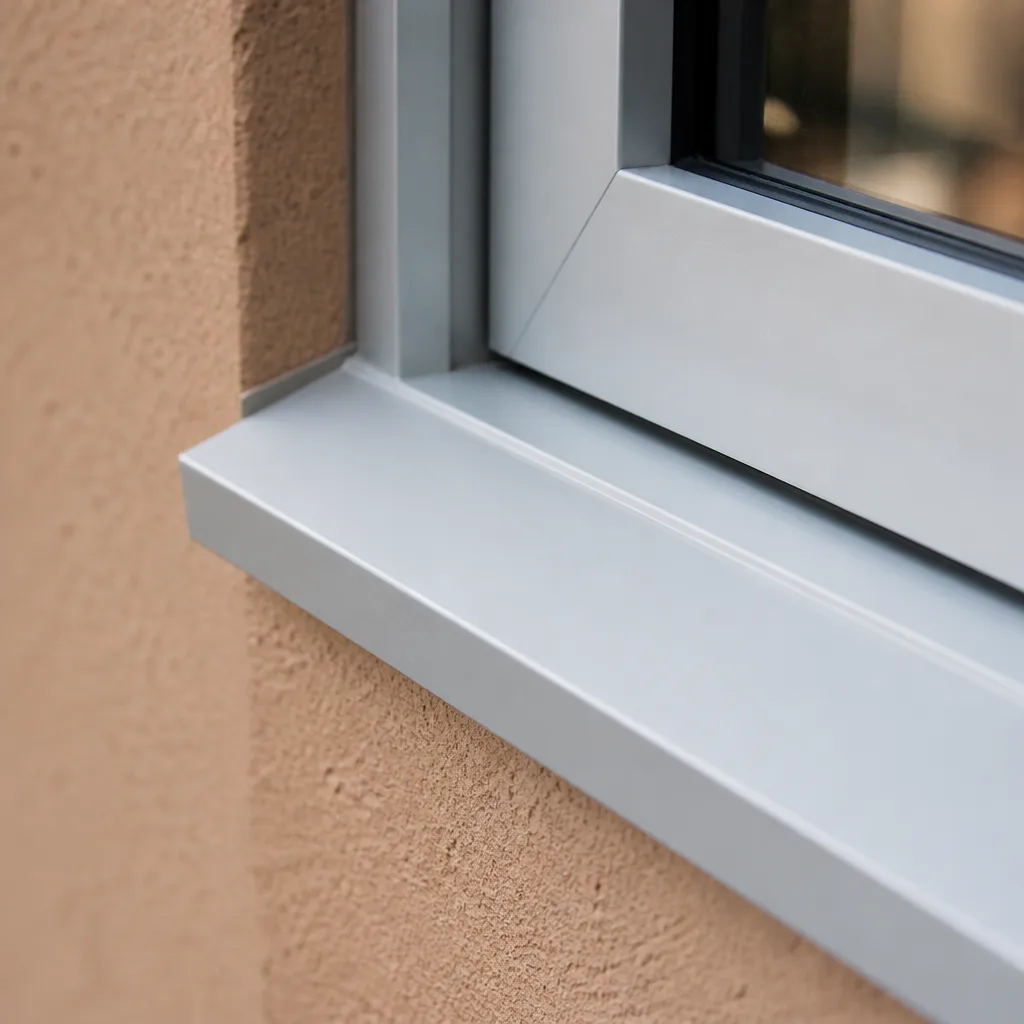
Impact glazing has a narrower set of failure modes than standard windows, but the repair pathway is stricter because the interlayer changes what’s fixable. Outer lite crack means replacement; inner lite crack may allow repair if the manufacturer’s spec says so; edge delamination is warranty territory and needs a documented claim. Impact door hardware follows a sequence – frame first, then lock points, then hinges, then sweep – because the wrong order wastes parts and can over-stress the frame. Boulder City’s climate accelerates edge failure on sun-facing elevations, which is why orientation is part of every diagnosis. Get a written price before anyone starts, and get the install photo record when it’s done. Those two documents are what turn a failure into a claim instead of a mystery.
Ready to have a specific problem diagnosed? Call (833) 847-4018 for a free estimate. Every job is covered under the 365-Day Done Right Promise, every technician is background-checked, uniformed, and identified by license number before arrival, and every visit ends with a documented photo record that stays with you. For broader help with an impact install from the start, start at the Sightline Windows & Doors Boulder City home page, then step through window installation in Boulder City if the project is a new fit rather than a repair.
Written by the team at Sightline Windows & Doors Boulder City.
Six Reasons Homeowners Choose Sightline Windows & Doors Boulder City
Laminated glass and reinforced frames hold up to wind-driven rain, hail and flying debris, so your openings stay sealed when the weather turns.
Low-E insulated impact glass from our manufacturer lines commonly cuts monthly cooling bills 20-30%.
Laminated impact glass shuts out up to 40% of outside noise - traffic, neighbors, weather.
Monitoring services run $30-90 a month. Laminated impact glass resists forced entry around the clock, with no subscription.
Tighter seals and insulated glass even out hot and cold rooms and stop the drafts at the frame.
A full impact package upgrades curb appeal, buyer confidence and appraised value in one project.
Other Sightline Windows & Doors Boulder City Services