Last updated November 17, 2026
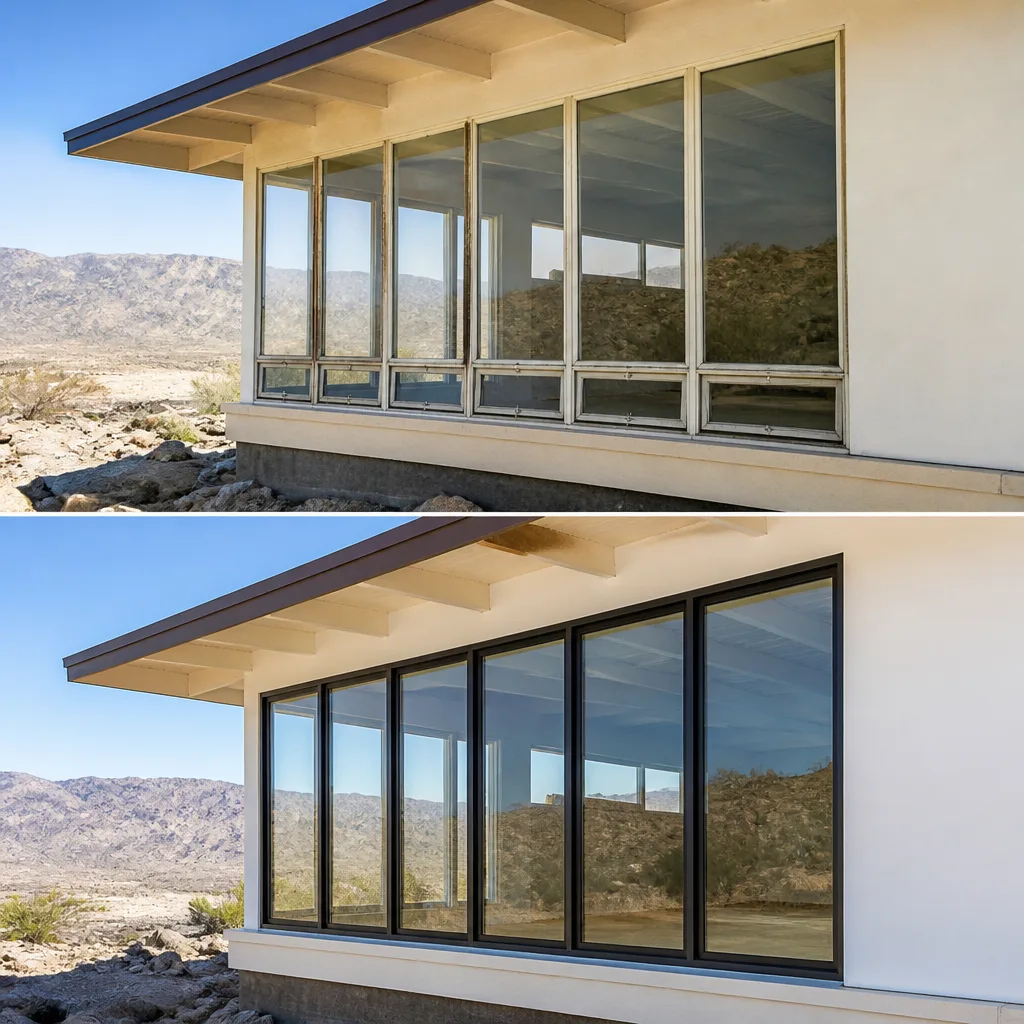
New windows and doors improve comfort, cut energy bills and add long-term value to your home. Sightline Windows & Doors Boulder City pairs proven product lines with a local vetted installing partner for lasting performance - and a price put in writing.
Choose your installer
The unit is half the job - the install is the other half. Background-checked local installers measure, set, seal and insulate every opening, and they know the lines we quote inside and out.
Select the right products
Compare styles, materials and glass packages side by side until the fit is right for your rooms, your budget and your goals. The product-line comparison below is the place to start.
Prepare your home for install
Before install day we walk you through a short checklist - furniture pulled back, treatments down, a clear path to each opening - so install day is watch-it-happen, not scramble.
Compare the Lines We Quote
Every project is priced on the same lines, side by side - the price indicators below are relative, and your consultant shows exact numbers on your actual openings.
PGTThe line homeowners arrive naming - the most impact certifications in the industry$$$
- More impact certifications than any other line we quote
- WinGuard, EnergyVue and ClassicVue Max systems built for every wind zone
- 99% on-time delivery keeps your install date on the calendar
CGIThe heavyweight impact line$$$$$
- Large-missile impact ratings for the strictest wind zones
- Architectural-grade aluminum with commercial-depth frames
- The line we quote when protection is the whole point
CWSThe value pick$$
- Vinyl systems built to strict wind codes
- Strong energy packages at the friendliest price point
- The smart start for whole-home replacements on a budget
ESWSlim lines, big glass$$$$
- Narrow-sightline aluminum for modern elevations
- Oversized openings and floor-to-ceiling glass
- Impact-rated without the bunker look
ECOThe aluminum impact workhorse$$$
- Factory-built aluminum impact systems
- A strong price-to-protection ratio for coastal homes
- Proven lines with short lead times
How to Hire a Windows & Doors Contractor in Boulder City: A Step-by-Step Guide
Three window quotes land in your inbox. They’re within a few hundred dollars of each other, so the temptation is to pick the lowest and move on. Here’s the problem: a Boulder City homeowner who accepts the cheapest of three bids without reading the scope exclusions has roughly a 60% chance of paying the middle-quote price anyway by the time change orders close. That pattern shows up again and again in Nevada contractor dispute filings. The bids weren’t competing estimates of the same project; they were three different projects wearing the same price tag. This guide shows you how to make bids comparable before you sign, so the price you choose at the start is the price you pay at the end.
Quick Answer
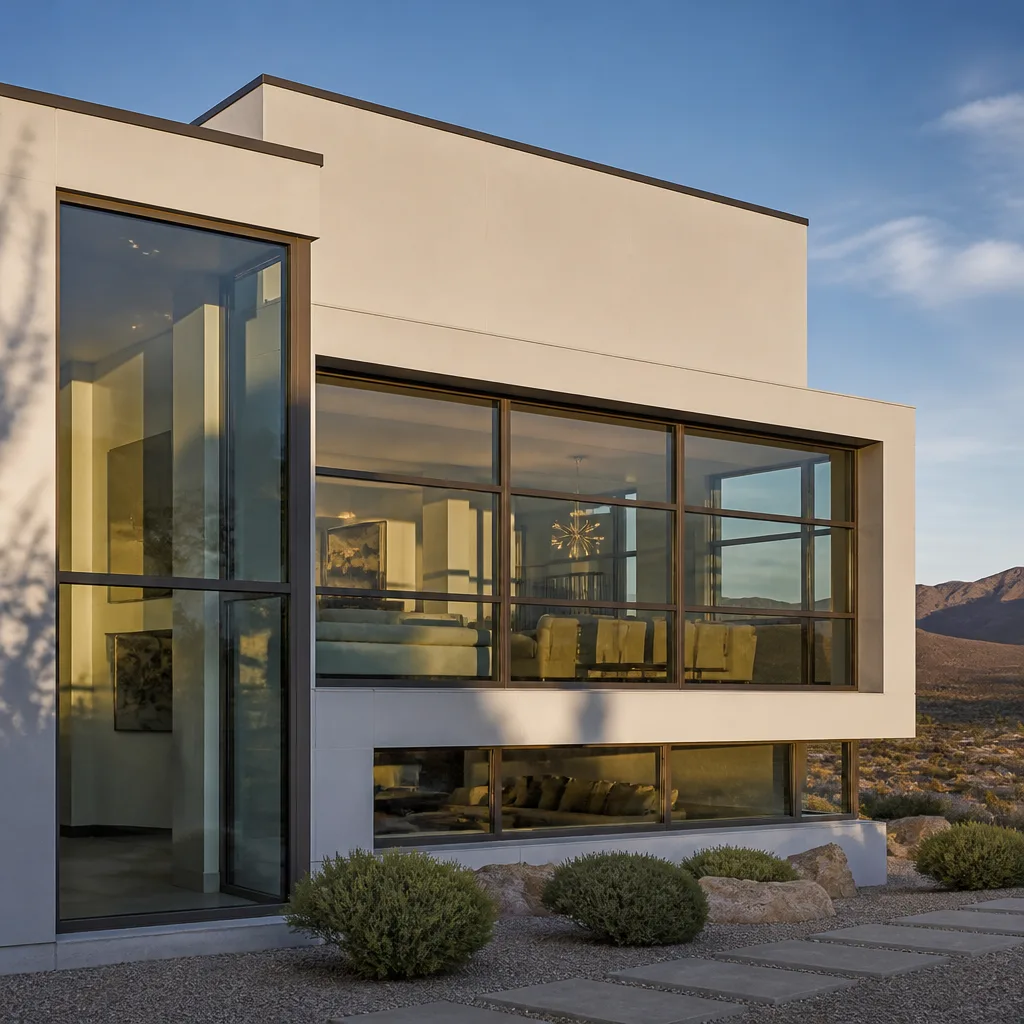
To hire a windows and doors contractor in Boulder City, verify the contractor’s Nevada State Contractors Board license and classification, confirm liability insurance through the NSCB portal, and require a written, itemized scope before comparing any two bids. The lowest number means nothing until every quote defines the same measurements, the same product specs, and the same exclusions. A bid you can’t line up against the others is not a lower price – it’s an unknown one.
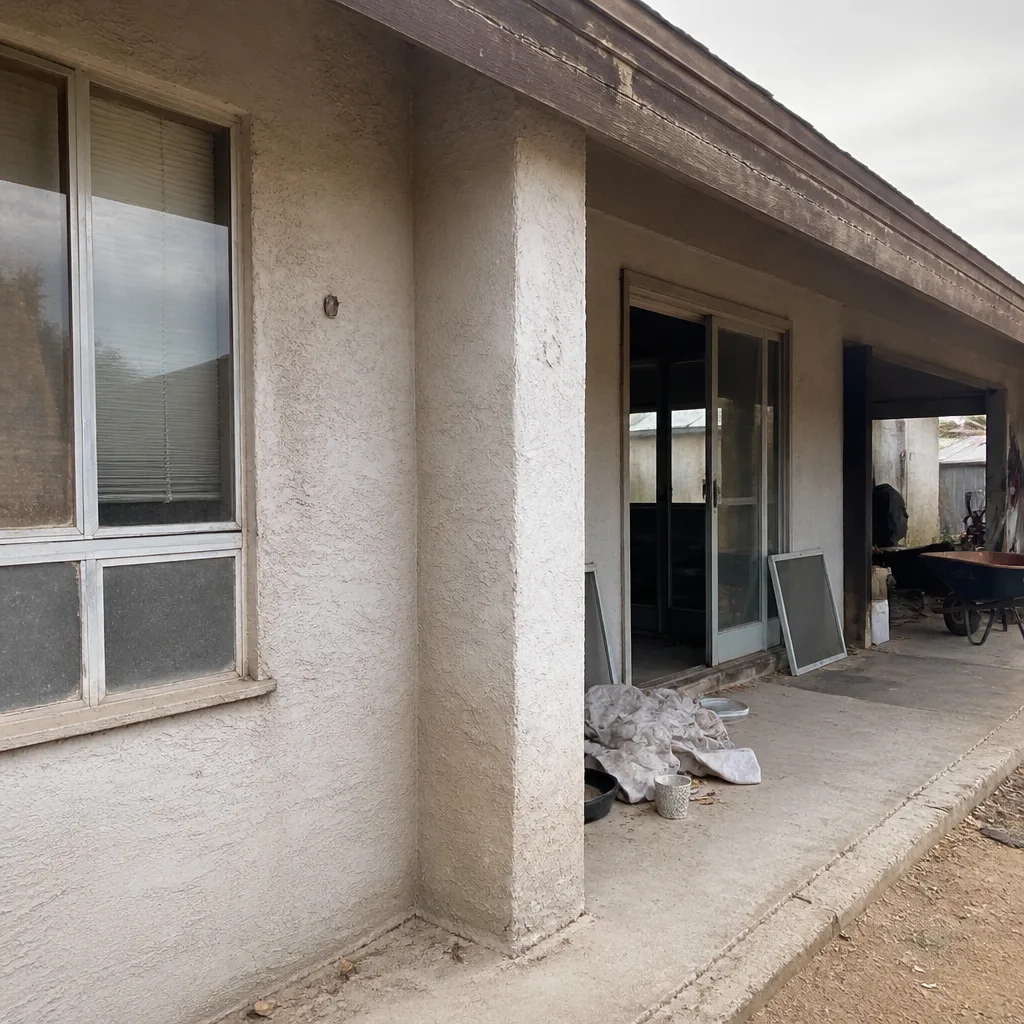 Before
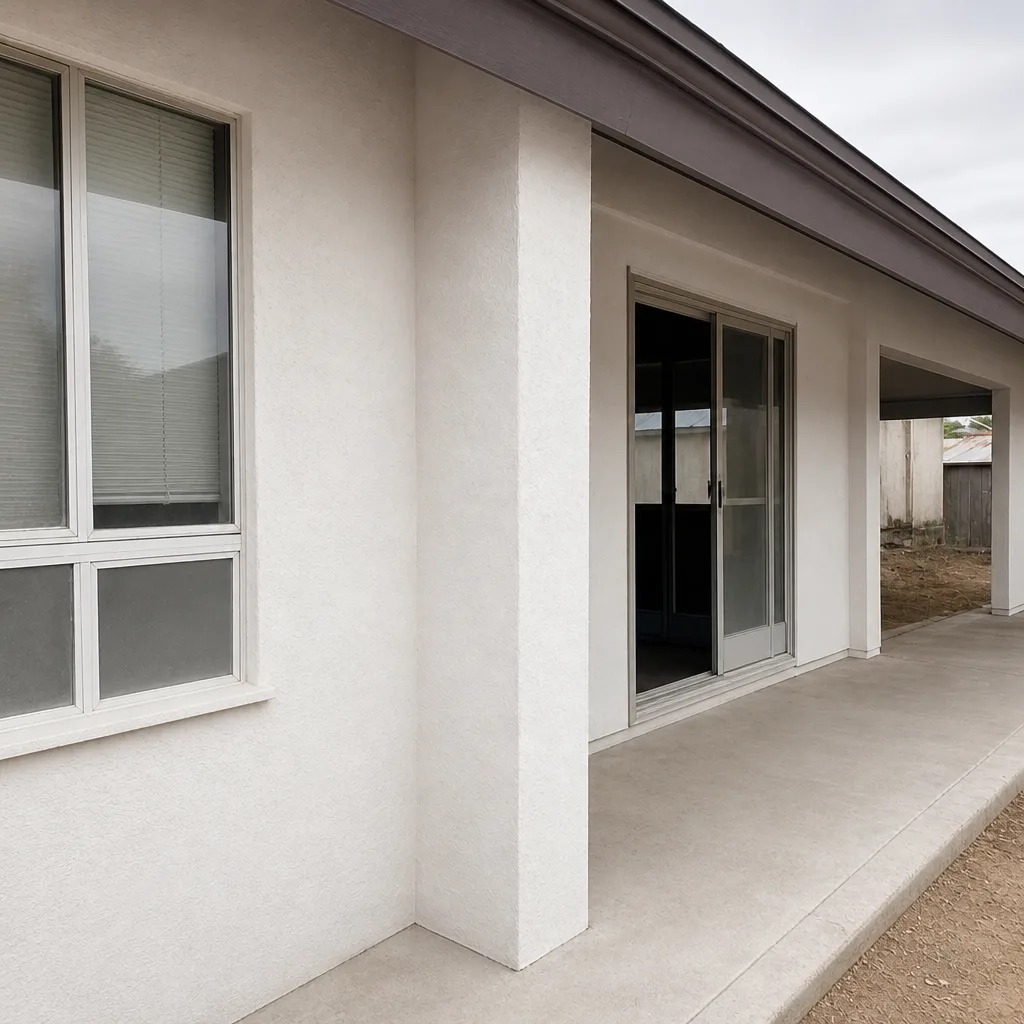 After
Table of Contents
- 1. Check the License – and the Classification
- 2. Verify Insurance in Under Five Minutes
- 3. The Bid Comparison Worksheet: Make Quotes Apples-to-Apples
- 4. Scope Gaps That Trigger Change Orders
- 5. Contract Language to Reject on the Spot
- 6. Demand Photo Documentation at Closeout
- 7. Questions to Ask Every Contractor
- Common Mistakes to Avoid
Step 1: Check the License – and the Classification
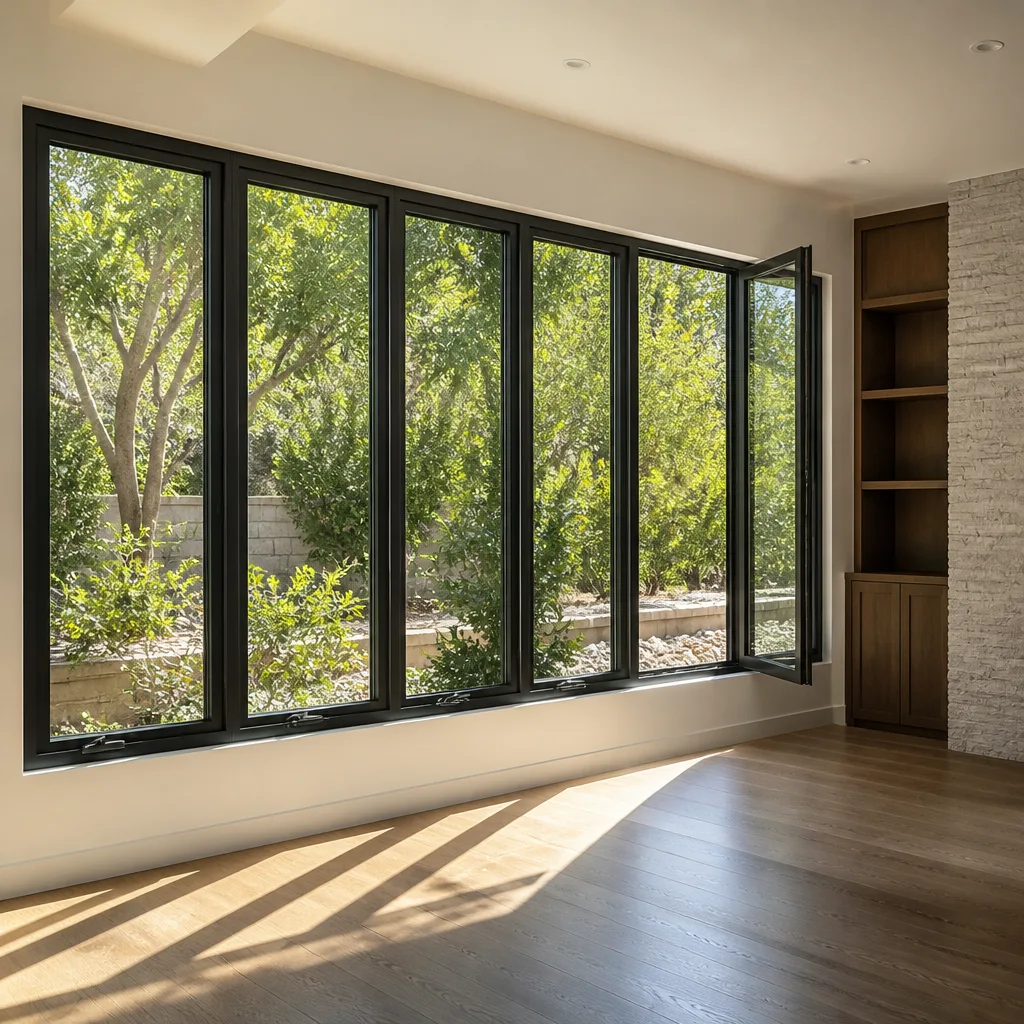
Before you compare a single dollar, confirm the contractor is licensed by the Nevada State Contractors Board. That’s the baseline. The part Boulder City homeowners miss is the classification. Window and door installation can fall under a Class B General Building license or a C-17 Glazing license, and the difference matters more than most people realize.
A C-17 Glazing classification covers glass and glazing work specifically – the fabrication and installation of glass, windows, and related components. A Class B general license covers a broader scope of building work. Some contractors hold both. What you want is a contractor whose license actually authorizes the work on your contract, because a warranty can be harder to enforce when the installer wasn’t properly licensed for that classification in the first place.
Here’s how to run the check:
- Go to the NSCB license search portal and enter the contractor’s name or license number.
- Confirm the license status reads “active” – not “expired,” “suspended,” or “pending.”
- Read the classification field. For window and door replacements, look for C-17 Glazing, or a Class B license that explicitly covers the scope.
- Check the “complaints” and “disciplinary action” tabs. Every contractor will have some history; what you’re looking for is a pattern.
- Confirm the license number on the portal matches the one on the written bid and the contract.
In our experience working across Boulder City, the license number on the bid is the single fastest filter. If a contractor can’t produce one, stop there. Everything else in this guide assumes you’re past that gate. For a good look at what a properly scoped install looks like, see our window installation in Boulder City page.
Step 2: Verify Insurance in Under Five Minutes
Nevada requires licensed contractors to carry liability insurance and workers’ compensation coverage. Verifying it takes less time than brewing coffee, and it’s the difference between a covered accident and a bill that lands on your homeowner’s policy.
Use the NSCB online portal to check the contractor’s insurance on file. You’re looking for two things: the coverage is current, and the amounts are adequate for the job. For a window replacement project in Boulder City, we’d suggest requiring a minimum of $1,000,000 in general liability coverage. Larger projects with multiple openings, second-story work, or structural modifications warrant more. If the coverage on file reads lower than the project value, ask why before you sign.
Workers’ compensation matters just as much. If a crew member is injured on your property and the contractor doesn’t carry workers’ comp, the claim can come back to you. The portal lists whether coverage is on file. If it isn’t, that’s a hard stop, not a negotiation point.
One more layer: ask for a certificate of insurance naming you as the certificate holder before any work begins. A contractor who can produce that document without delay is a contractor whose paperwork is in order.
Step 3: The Bid Comparison Worksheet
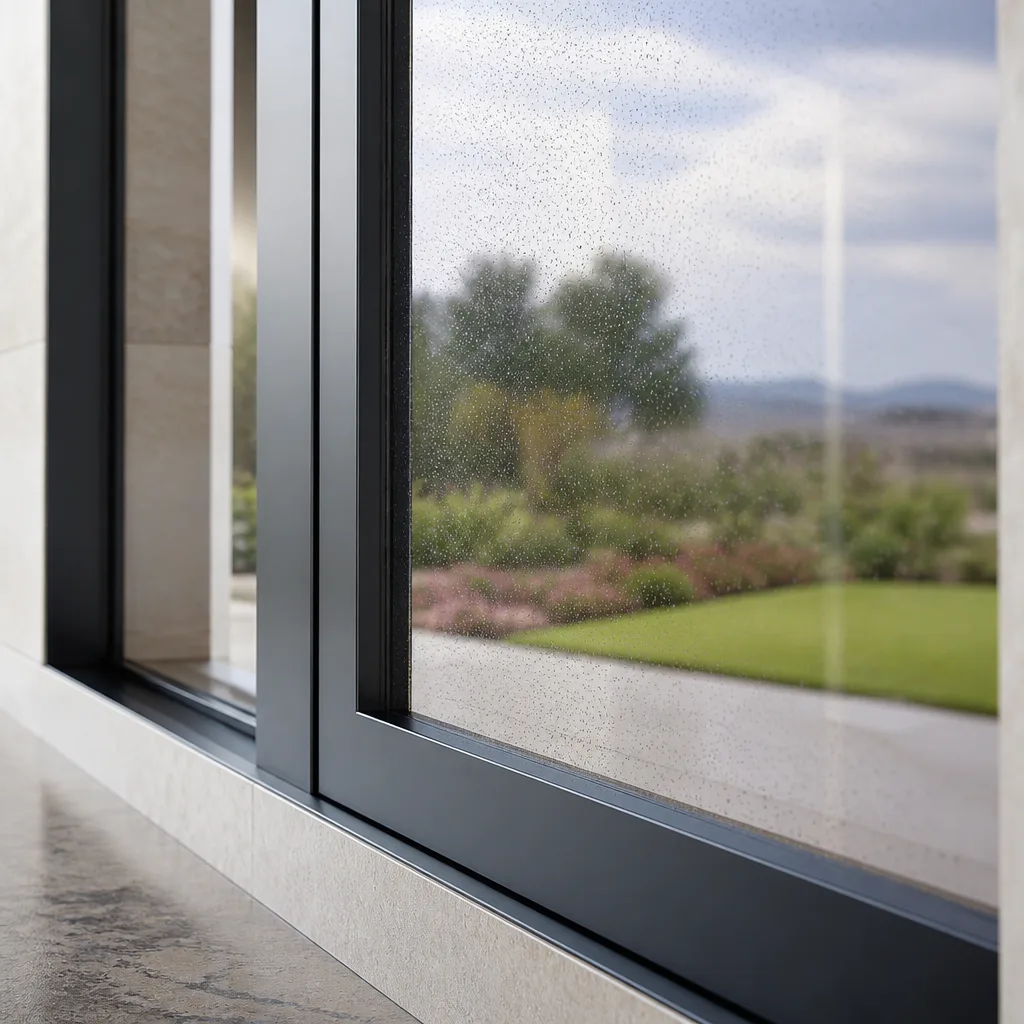
This is where most Boulder City homeowners lose money. Two bids can both say “$14,800 for eleven windows” and describe entirely different projects. Before you line up the numbers, line up the scope. Use this worksheet on every quote you receive.
- Model and specs: Which manufacturer line (PGT, CGI, CWS, ES Windows) and which product series? U-factor and SHGC ratings should be on the quote, not “standard efficiency.”
- Measurement methodology: Did the contractor measure rough openings on site, or estimate from the existing window? A measured survey differs from a phone estimate in ways that show up as change orders later.
- Permit responsibility: Who pulls the permit, and is the permit fee included in the quote? Boulder City has its own permit process, and pulling one is not optional.
- Haul-away: Are the old windows and doors removed and disposed of, or is that a line item added later?
- Interior drywall patching: Does the quote include patching and touch-up around interior openings? Exterior trim?
- Stucco and flashing: Is stucco repair and flashing included? In Boulder City’s climate, water intrusion at the flashing is a common failure point.
- Change-order triggers: What specific conditions – rotted framing, hidden structural damage, undersized rough openings – allow the contractor to charge more? Written in dollars, on the page.
- Warranty terms: Manufacturer warranty and labor warranty, both attached to the contract, both in writing.
Any quote that leaves rows blank is a quote you can’t compare. If a bid doesn’t answer these questions, ask the contractor to revise it in writing before you decide. And if you want a second set of eyes, our team will review a competitor’s written estimate at no charge – a free second opinion is a standing offer, not a favor. If you’d rather see how the same worksheet looks applied to a full job, our window replacement in Boulder City page walks through the scope line by line.
Step 4: Scope Gaps That Trigger Change Orders
Change orders aren’t scams. They happen when a quote didn’t define what’s included. The fix is to close the gap before you sign, not litigate it after. These are the gaps that show up most often on Boulder City window and door work.
- Permits left to the owner. A quote that says “owner responsible for permit fees” is a quote that hasn’t priced the permit. You’ll pay it, plus the contractor’s time to deal with the inspection, plus a markup.
- Haul-away billed separately. Removal and disposal of old units is real work. If it isn’t in the quote, it’s coming.
- Framing repair missing. A 20-year-old window in Boulder City’s dry climate can hide rotted framing once the old unit comes out. If the quote doesn’t address what happens when it does, assume a change order.
- Stucco and flashing not specified. Exterior water management is not cosmetic work in a climate with big temperature swings between summer and winter. A quote that doesn’t mention flashing hasn’t thought about it.
- Interior finish patching omitted. Drywall repair, paint touch-up, and trim work are all commonly left out of the base bid.
The pattern is consistent: the cheapest bid usually has the most blank spaces. Those blanks aren’t savings – they’re deferred charges. When you compare quotes, add a line-item buffer for every gap and see where the numbers actually land. A bid that names its scope is easier to trust than one that leaves it to interpretation.
Step 5: Contract Language to Reject
Some contract phrases should make you put down the pen. These are the three we’d refuse on the spot, along with a fourth that hides in the fine print.
- “Price subject to field conditions.” This language lets a contractor change the price after demolition begins, once you have no leverage. A properly written scope defines what triggers a change order and caps how much of an unknown you’re carrying.
- “Owner responsible for permit fees.” If the contractor isn’t pulling the permit, the contractor isn’t fully responsible for the installation. Permits matter for warranty enforceability and for resale.
- “Warranty subject to manufacturer terms.” When the warranty clause points to a document that isn’t attached to the contract, you can’t read what you’re agreeing to. Request the manufacturer warranty document and the labor warranty in writing before signing.
- “Final payment due upon substantial completion” without a defined inspection. Vague completion language means you pay before the job is verifiably done. Tie final payment to a documented walkthrough.
Boulder City homeowners are entitled to a written price before any work starts, and that price should match the measured survey you keep. If a contractor balks at putting the full scope in writing, that’s the answer. Compare against a site whose door installation in Boulder City process is documented end to end, and you’ll quickly see which quotes are built to be understood.
Step 6: Demand Photo Documentation at Closeout
Ask every contractor for a sample closeout file from a past job. This is the single most useful question you can ask, and the one Boulder City homeowners rarely think to bring up. A closeout file is the record a contractor keeps after the job is finished: photos of flashing before it was covered, photos of framing after the old window came out, photos of the finished install.
Why does it matter? Two reasons. First, photo documentation is the evidence that protects you if a window leaks three years later. A contractor who can show you what’s behind the wall can prove what was done. One who can’t has nothing to defend with. Second, a contractor who has never been asked for a sample file and produces one immediately is a contractor whose process includes documentation as a standard step, not an afterthought.
What to look for in a closeout file:
- Pre-install photos of rough openings and existing framing
- Flashing and weather barrier photos taken before the unit went in
- Post-install photos of the interior and exterior finish
- A written record of product model numbers and serial numbers
- The signed warranty document, held in the file
If a contractor hesitates, ask what their standard closeout process is. If they don’t have one, that’s a risk you’re being invited to carry. Our team leaves a documented photo record on every job as standard evidence – it isn’t an upsell or an extra fee. The same discipline applies whether you’re ordering impact-rated windows from PGT or a custom door from Therma-Tru.
Step 7: Questions to Ask Every Contractor
Before you invite anyone to measure, run this list. The answers tell you more than any brochure.
- What’s your NSCB license number, and what classification covers this work?
- Can you show me your certificate of insurance with current liability and workers’ comp coverage?
- Who pulls the permit, and is the fee in the quote?
- Which manufacturer line are you specifying, and what U-factor and SHGC are you quoting?
- Do you measure rough openings on site, or work from the existing window size?
- What triggers a change order, and is that written in the estimate?
- Can I see a sample closeout file from a recent job?
- What does your written warranty cover, and can I read it before I sign?
A contractor who answers these in writing, before the first check changes hands, is the contractor you want. Boulder City has a small, visible market, and the contractors who do good work are happy to be asked. A written estimate that answers all eight questions beats one that only answers the first two. You can start with a call, or you can start with the Sightline Windows & Doors Boulder City home page to see how a measured survey becomes a quote you keep.
Common Mistakes to Avoid
- Comparing prices before comparing scopes. A $2,000 gap between bids is meaningless if one includes haul-away, permits, and stucco repair and the other doesn’t. Line up the scope first, then the numbers.
- Skipping the NSCB check because the contractor seems trustworthy. The portal takes three minutes. A friendly handshake doesn’t substitute for an active license in good standing.
- Accepting “price subject to field conditions” as normal. It isn’t. It’s a contract term that lets the price move after you’ve committed.
- Not asking about Boulder City permit requirements. The city has its own inspection process. A contractor who doesn’t know the local requirements is learning on your job.
- Assuming the warranty is in the contract when it’s only referenced. A warranty clause pointing to an unattached document is not a warranty you can read. Get it in writing, attached, before you sign.
- Never asking for a closeout file. Photo documentation is the only evidence that protects you years later. Ask for a sample before you hire, not after the leak.
- Letting a low bid pull you away from a measured survey. A quote based on a phone estimate rather than an on-site measurement is a quote built on assumptions. The survey is the document that makes the price enforceable.
The contractors worth hiring in Boulder City will make the comparison easy on you. They’ll bring the paperwork, answer the questions, and put the scope in writing without being pushed. The ones who won’t are the ones who cost you later.
When to Call a Professional
Some window and door questions are cosmetic: a peeling label, a stuck latch, a draughty corner that needs a bead of caulk. Others are not. Call a professional when a window won’t close or lock properly, when you see moisture between the panes, when a door has started to sag or stick through the seasons, or when you notice condensation forming on the inside of the glass in winter and the outside in summer – both signs of a failed seal. Call immediately if you see rot, water stains, or daylight coming through the frame. In Boulder City’s swing between summer heat and winter nights in the thirties, failed seals often show up all at once. Two-story installations, sliding patio doors, and anything involving impact-rated glass deserve a trained installer. Sightline Windows & Doors Boulder City offers free estimates in Boulder City – call (833) 847-4018 to schedule yours.
Frequently Asked Questions
Use the Nevada State Contractors Board online license search. Enter the contractor’s license number and confirm the status is active, the classification covers window and door installation (C-17 Glazing or Class B with the right scope), and there’s no pattern of disciplinary action. The number on the bid should match the one on the portal. Call (833) 847-4018 if you want help reading a license classification before you sign anything.
Require a minimum of $1,000,000 in general liability coverage for a standard window replacement project, plus current workers’ compensation coverage. Verify both through the NSCB portal and request a certificate of insurance naming you as certificate holder before work starts. For larger projects or second-story work, ask for more. Call (833) 847-4018 to schedule a free estimate.
Because they usually aren’t quotes for the same project. Different measurement methods, different product lines, different inclusions for permits, haul-away, and stucco repair all create price gaps that have nothing to do with quality. Before comparing totals, use a worksheet to line up scope. Call (833) 847-4018 and we’ll review a competitor’s written estimate at no charge.
Ask them to replace it with a written definition of what conditions allow a change order and by how much. That language leaves the price open-ended after demolition begins, once you have no leverage. A legitimate contractor can specify the trigger in dollars on the page. Call (833) 847-4018 for a written quote that names its scope up front.
Most single-family window replacements of six to twelve openings take one to three working days once materials arrive, assuming no framing surprises. Order time for custom sizes from manufacturers like PGT, CGI, or CWS can run several weeks. Door replacements typically take a day per door. Call (833) 847-4018 for a timeline based on your actual openings.
A closeout file is the documentation a contractor keeps after a job: photos of flashing before it was covered, framing photos, model and serial numbers, and the signed warranty. Ask to see a sample from a recent job before you hire. A contractor with a documented process can produce one immediately. Call (833) 847-4018 to see what ours includes.
The Bottom Line
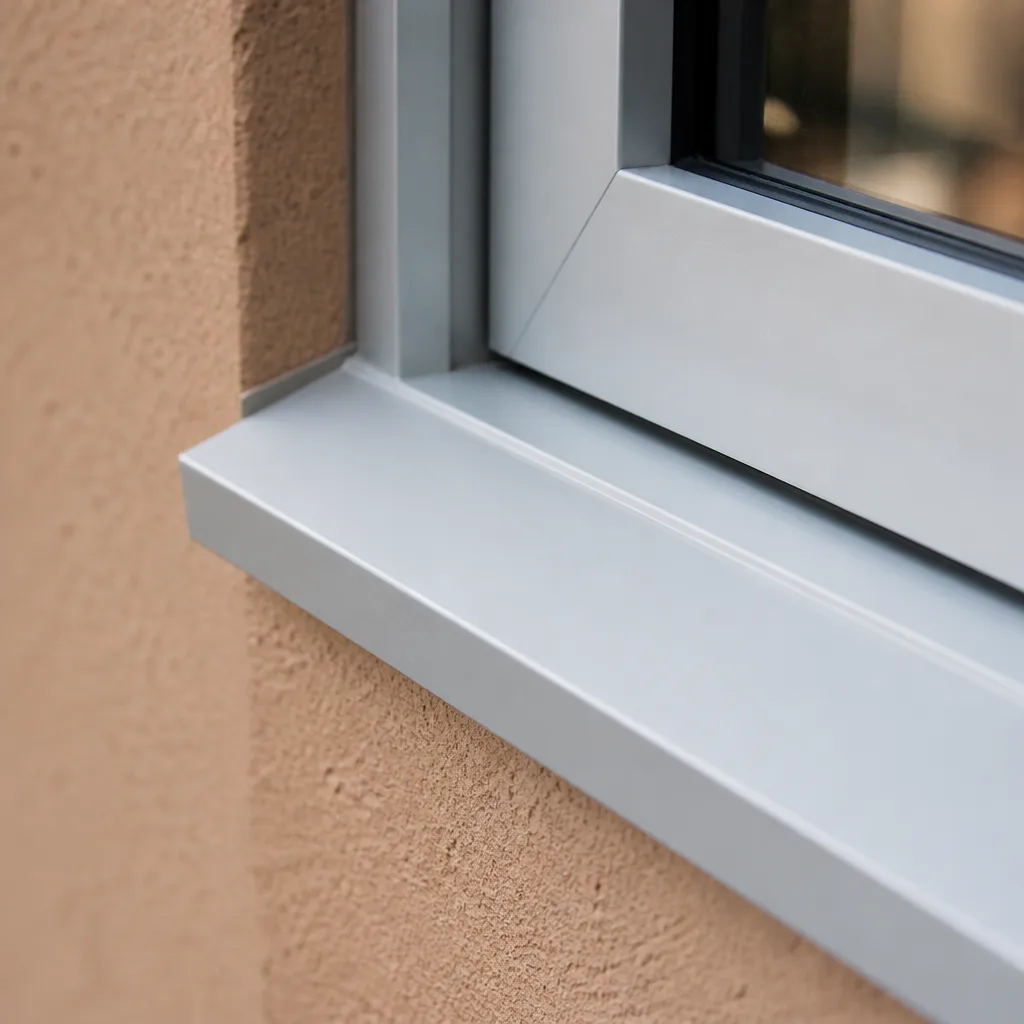
Getting three quotes is a good starting move; it just isn’t enough on its own. The homeowners who get what they paid for in Boulder City are the ones who check the NSCB license and classification, verify insurance on the portal, and refuse to compare prices until every bid describes the same scope. The three contract phrases to reject – “price subject to field conditions,” “owner responsible for permit fees,” and a warranty clause pointing at a document nobody attached – cost more than any price difference between bids. And the closeout file is the evidence that protects you after the crew has gone. Hire the contractor whose quote is a document you can read, not a number you hope is real.
If you’d like a written price before any work starts, and a measured survey you keep, call (833) 847-4018 to schedule your free estimate with Sightline Windows & Doors Boulder City. Bring a competitor’s written estimate and we’ll go through it with you line by line at no charge.
Written by the team at Sightline Windows & Doors Boulder City.
Six Reasons Homeowners Choose Sightline Windows & Doors Boulder City
Laminated glass and reinforced frames hold up to wind-driven rain, hail and flying debris, so your openings stay sealed when the weather turns.
Low-E insulated impact glass from our manufacturer lines commonly cuts monthly cooling bills 20-30%.
Laminated impact glass shuts out up to 40% of outside noise - traffic, neighbors, weather.
Monitoring services run $30-90 a month. Laminated impact glass resists forced entry around the clock, with no subscription.
Tighter seals and insulated glass even out hot and cold rooms and stop the drafts at the frame.
A full impact package upgrades curb appeal, buyer confidence and appraised value in one project.
Other Sightline Windows & Doors Boulder City Services