Last updated November 17, 2026
New windows and doors improve comfort, cut energy bills and add long-term value to your home. Sightline Windows & Doors Boulder City pairs proven product lines with a local vetted installing partner for lasting performance - and a price put in writing.
Choose your installer
The unit is half the job - the install is the other half. Background-checked local installers measure, set, seal and insulate every opening, and they know the lines we quote inside and out.
Select the right products
Compare styles, materials and glass packages side by side until the fit is right for your rooms, your budget and your goals. The product-line comparison below is the place to start.
Prepare your home for install
Before install day we walk you through a short checklist - furniture pulled back, treatments down, a clear path to each opening - so install day is watch-it-happen, not scramble.
Compare the Lines We Quote
Every project is priced on the same lines, side by side - the price indicators below are relative, and your consultant shows exact numbers on your actual openings.
PGTThe line homeowners arrive naming - the most impact certifications in the industry$$$
- More impact certifications than any other line we quote
- WinGuard, EnergyVue and ClassicVue Max systems built for every wind zone
- 99% on-time delivery keeps your install date on the calendar
CGIThe heavyweight impact line$$$$$
- Large-missile impact ratings for the strictest wind zones
- Architectural-grade aluminum with commercial-depth frames
- The line we quote when protection is the whole point
CWSThe value pick$$
- Vinyl systems built to strict wind codes
- Strong energy packages at the friendliest price point
- The smart start for whole-home replacements on a budget
ESWSlim lines, big glass$$$$
- Narrow-sightline aluminum for modern elevations
- Oversized openings and floor-to-ceiling glass
- Impact-rated without the bunker look
ECOThe aluminum impact workhorse$$$
- Factory-built aluminum impact systems
- A strong price-to-protection ratio for coastal homes
- Proven lines with short lead times
Windows & Doors Emergency Preparedness Guide for Boulder City Homes
A broken window in Boulder City in July is not a security problem first. With ambient air at 108°F, a failed pane or a door left ajar is a heat-intrusion emergency: interior temperature in a south-facing room can climb 15 – 20°F within four hours, and that is a genuine medical risk in a household with elderly residents or a sleeping infant. The second surprise is that most window and door emergencies we see in Boulder City were visible weeks earlier – a compressed door sweep, a weeping frame, a deadbolt that had started to drag. This guide walks through both kinds of failure, sudden and slow-build, with the checklists, materials, and call order that actually work here.
Quick Answer
Boulder City window and door emergencies split into two categories that need different preparation: sudden failure (breakage, breach, hardware seizure) and slow-build failure (seal degradation, threshold gaps). Sudden failures need a 72-hour board-up kit, a documented photo sequence for insurance, and a live 24/7 phone contact. Slow-build failures need a June inspection of weep holes, door sweep compression, and threshold gaps before the July – August monsoon cycle pushes water into the wall cavity.
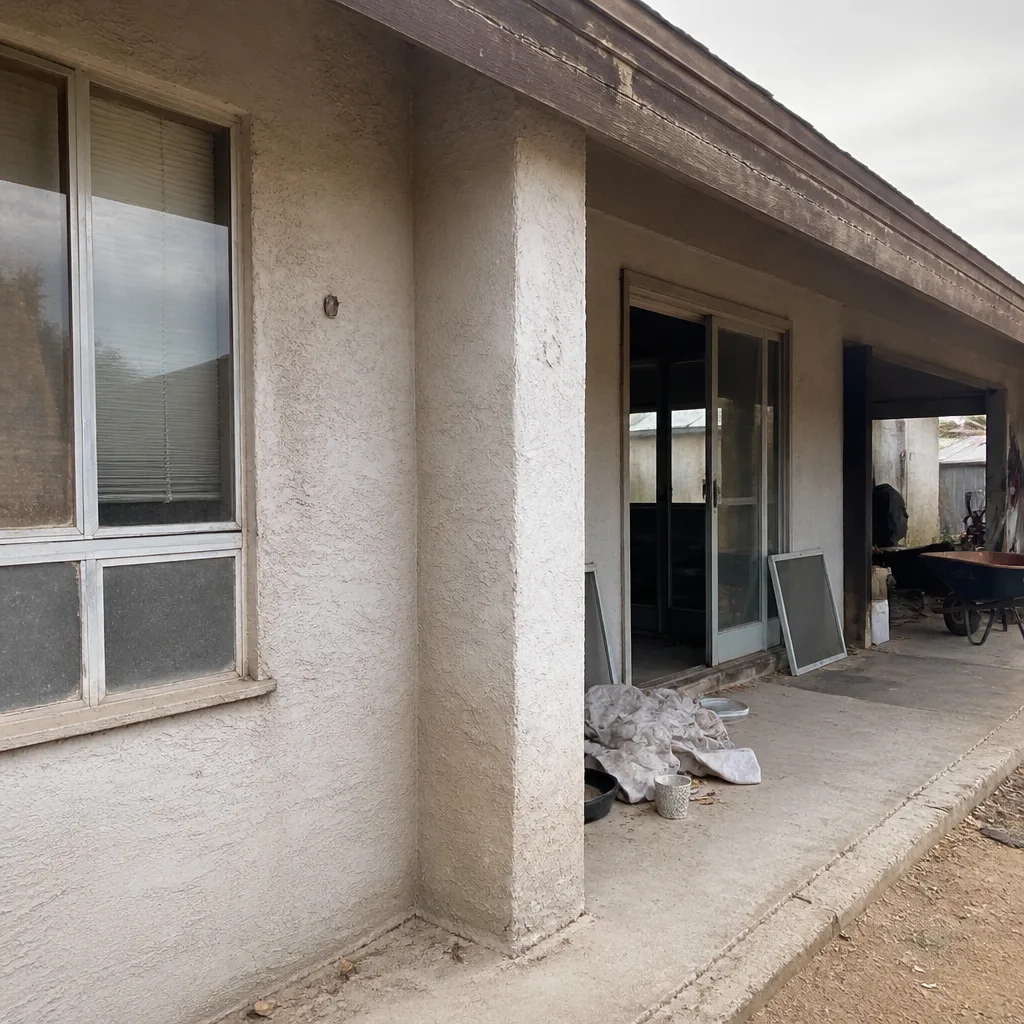 Before
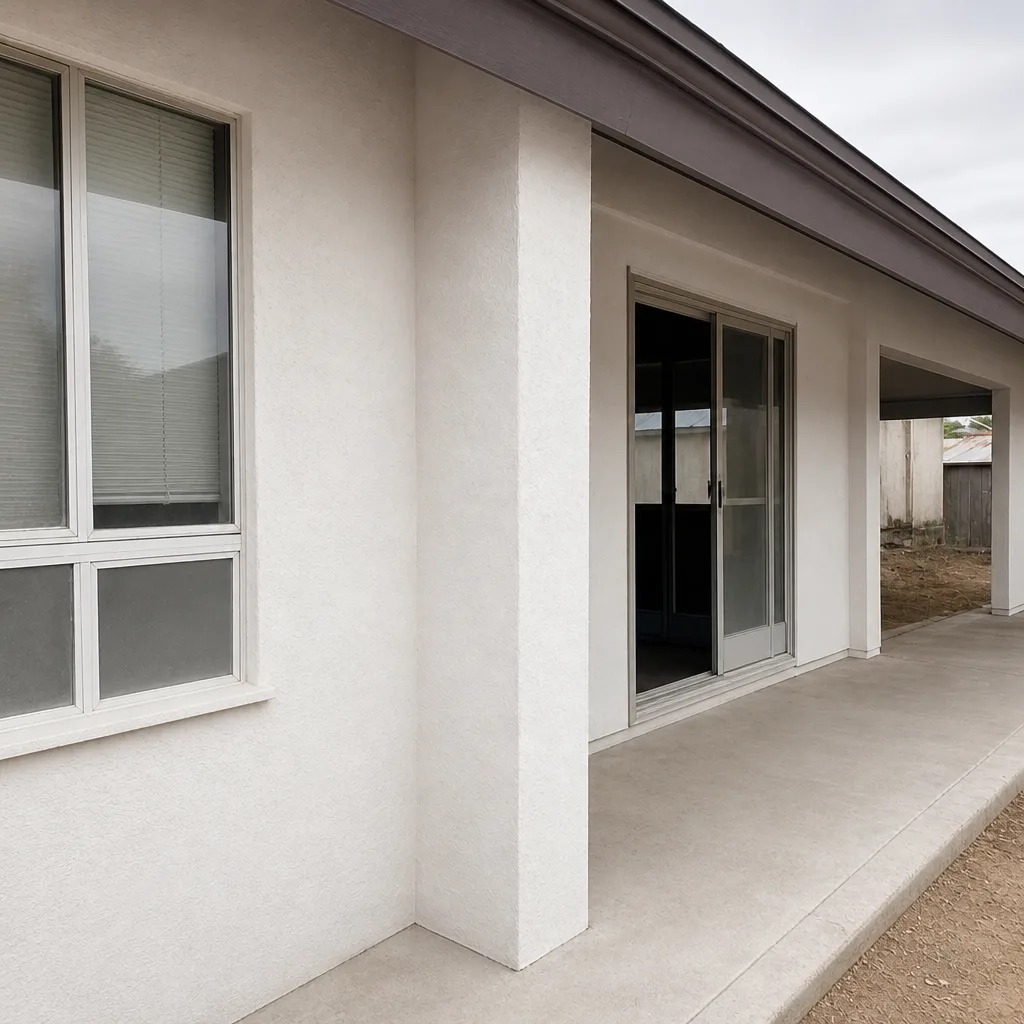 After
Table of Contents
- The Two Kinds of Window and Door Emergencies
- The 72-Hour Board-Up Protocol for Boulder City
- Pre-Monsoon Inspections to Run in June
- What to Document Immediately After a Failure
- Hardware Seizure at 110°F: Causes and Field Fixes
- The Emergency Kit for Desert Storage
- When to Stop and Call a Professional
- Common Mistakes to Avoid
The Two Kinds of Window and Door Emergencies
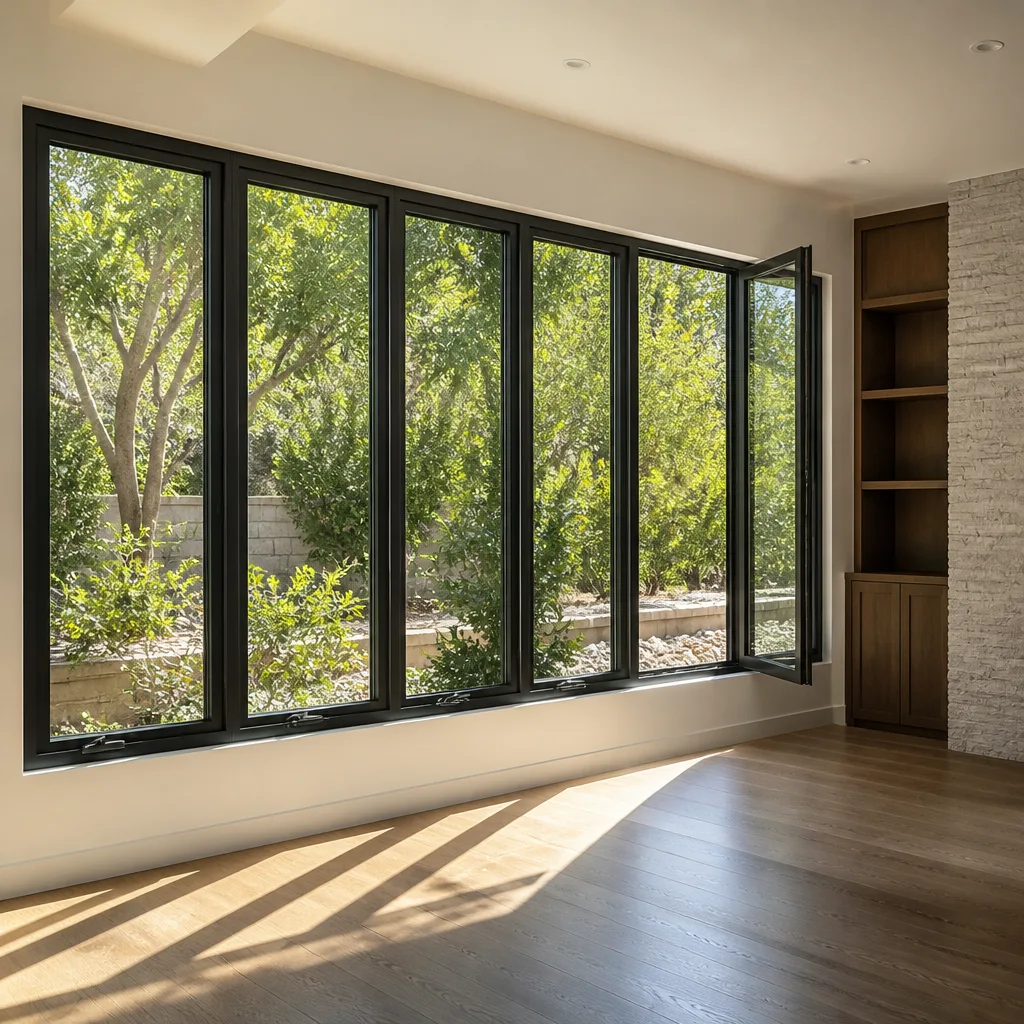
Boulder City sits in a high-desert bowl at roughly 2,500 feet, and the local climate produces two distinct stress windows on exterior openings. Summer heat cycling – repeated daily swings from a low near 78°F to a high above 105°F – works vinyl frames, sealants, and gaskets harder than steady heat does. Monsoon season, typically late June through early September, delivers short, intense rain events that find every compromised threshold and weep channel on a home.
That means the failures you will actually experience fall into two buckets, and confusing them costs you.
- Sudden failure. A pane cracks from thermal shock when a sun-heated exterior surface meets a cool interior air-conditioned edge. A sliding door gets forced off its track and the glass shatters. A deadbolt binds and locks the household out. A gust drops a limb through the glazing. These are hour-scale problems.
- Slow-build failure. Weatherstripping hardens and flattens across two or three summers. A door sweep stops meeting the threshold. Sealed glass units lose their argon fill and cloud from the inside. Weep holes clog with dust and fine sand carried on the prevailing wind. These are month-scale problems that become hour-scale problems during the first big monsoon push.
If you have replaced or are planning to replace windows on a home from the 1980s or 1990s in Boulder City, the slow-build category is where your real risk sits. Our technicians have up to 14 years of experience, and the pattern they see repeatedly is that a homeowner calls in August about water intrusion under a sliding door that had a threshold gap visible in May.
The 72-Hour Board-Up Protocol for Boulder City
When a window breaks or a door is forced, you have three categories of immediate action: secure, document, and notify. Do them in that order. The 72-hour window matters because insurance claims in Clark County are most smoothly handled when the damage narrative is fresh, and because a temporary board-up that stays up past 72 hours starts failing under desert sun and wind.
Approved temporary cover materials
Boulder City code and most Clark County jurisdictions accept temporary protective cover when it fully seals the opening and is mechanically fastened, not taped. Tape alone fails in UV within 24 hours and, worse, can leave adhesive residue that damages the frame finish.
- ½-inch exterior-grade plywood cut to overlap the opening by 2 inches on every side. Fasten with structural screws into the rough framing, not into the siding.
- 1/8-inch polycarbonate sheet for larger openings or where you need to keep daylight and visibility. Lighter than plywood, holds up better to wind-driven debris.
- Construction-grade plastic sheeting (6-mil minimum) as a secondary interior moisture barrier behind the rigid cover, not as the primary cover.
Calls to make, in order
- Insurance carrier. Open the claim, get the claim number, ask whether they require a specific board-up vendor or will reimburse a self-performed board-up with photo documentation.
- Glass and glazing contractor. If the opening is a custom size or impact-rated unit, order the replacement glass now; lead time is the schedule driver. Sightline Windows & Doors Boulder City answers the phone live around the clock at (833) 847-4018, so you can get a written scope and photo record in motion quickly.
- Security monitoring or alarm company if the breached opening sits under a monitored sensor. A board-up will trip the sensor until the alarm is re-zoned or bypassed.
- Neighbors or HOA contact if you will be away during the repair. A board-up that stays visible on a Boulder City street for more than two weeks generates HOA letters and can complicate the insurance file.
Pre-Monsoon Inspections to Run in June
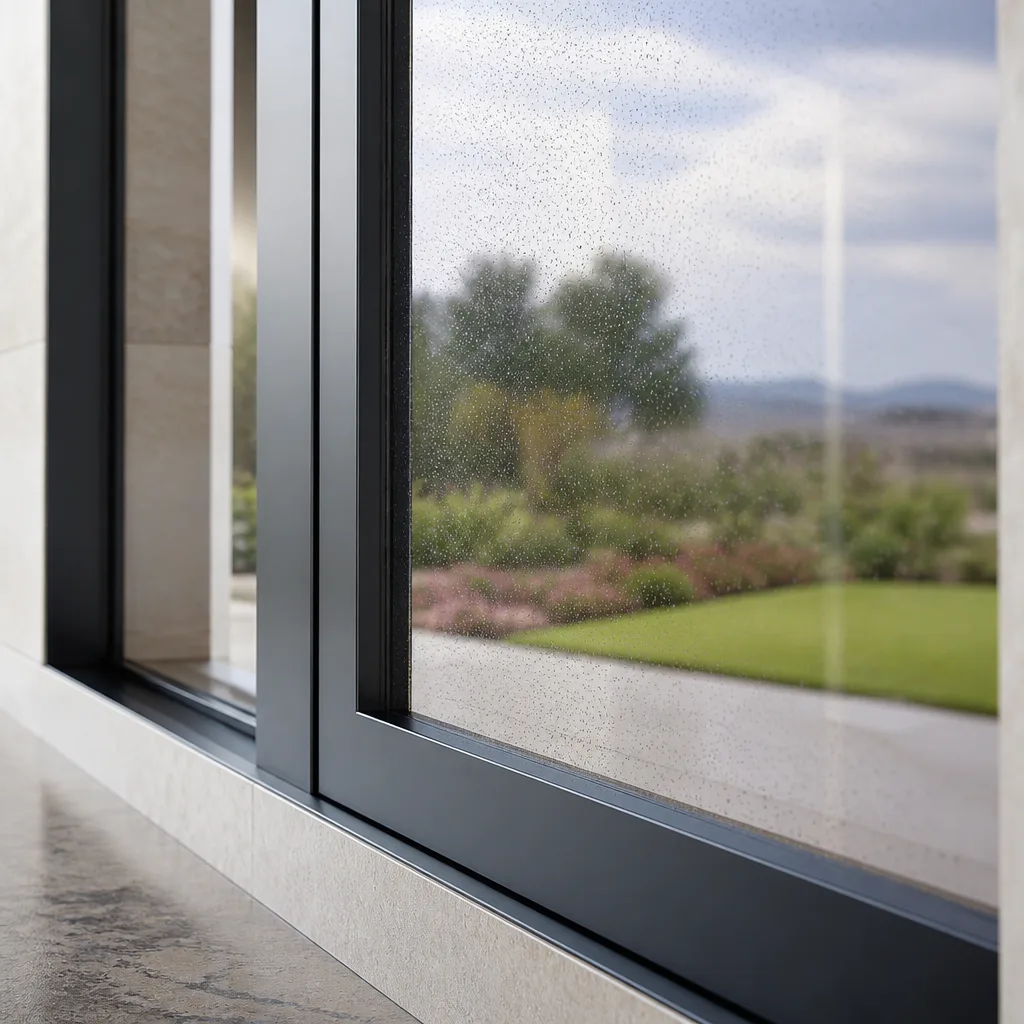
The single highest-value hour you can spend on your home in Boulder City happens in June, before the first monsoon cell forms over the McCullough Range. The inspections below are the ones we walk on every measured survey, and they catch most of the water-intrusion emergencies that would otherwise surface in July and August.
1. Weep hole clearance on every window and sliding door
Weep holes are the small slots at the sill that let water drain out. In a high-desert climate they fill with dust, pollen, and fine sand carried on wind. Check each one with a stiff brush and a wire or plastic pick. If water pooled on the sill after the last rain, the weep path is blocked even if the slot looks open.
2. Door sweep compression
Close the door on a sheet of paper. If the paper slides out with no resistance anywhere along the sweep, the door sweep is no longer compressing and rain will sheet under during a blowing storm. Sweeps on exterior doors in Boulder City commonly flatten in 3 – 5 summers.
3. Threshold seal and gap inspection
Look at the threshold from the exterior. You want continuous contact between the door bottom, the sweep, and the sill pan. Any gap larger than 1/16 inch is a monsoon entry point. A sliding door in a wind-exposed orientation on a hillside lot on the west side of town needs the tightest tolerance, not the loosest.
4. Glazing seal check
Cloudiness or a fogged band inside a double-pane unit means the sealed glass unit has lost its gas fill. It is not leaking water yet, but the insulating value is gone, and the pane is more likely to crack under thermal shock. Note every fogged unit by room and location.
5. Anchor and fastener inspection
Look for rust trails, cracked sealant around fastener heads, and loose hinge plates on doors. Any water staining at the base of a frame is a signal that the anchor line has begun to wick water into the wall cavity.
What to Document Immediately After a Failure
Insurance claims that move quickly have a clean evidence file. The photo sequence and the written record are what separate a claim that closes in weeks from one that stalls.
Photo sequence (take these in order)
- Wide shot of the room or exterior wall, showing the full opening in context.
- Medium shot of the failed window or door including the frame and adjacent wall.
- Close-up of the failure point: the crack, the broken glass edge, the seized hardware, the water staining.
- Detail shot of the interior and exterior sill or threshold.
- Measurement shot with a tape pulled across the opening width and height, and the tape reading visible in the frame.
- Time-stamped wide shot of the temporary board-up once it is in place.
Written record
- The measured dimensions of the opening (width, height, and depth to the rough opening). Write them down; the tape in the photo is corroboration, not the primary record.
- The weather report or police report. If the failure was weather-driven – a monsoon microburst, a wind gust – pull the National Weather Service record for the date and time. If it was a break-in or vandalism, get the Boulder City Police Department report number. Both substantiate the claim.
- Product identification if legible on the frame: the manufacturer label, the model number, the tempered or laminated etch. This determines whether the replacement is a like-for-like match or an upgrade.
- Any inspection or HOA correspondence that documents prior condition of the opening.
Keep all of this in one folder, digital or physical. When you call for service, ask for a written scope and a document you keep – that is the standard our team operates under, and it is the standard you should hold any contractor to.
Hardware Seizure at 110°F: Causes and Field Fixes
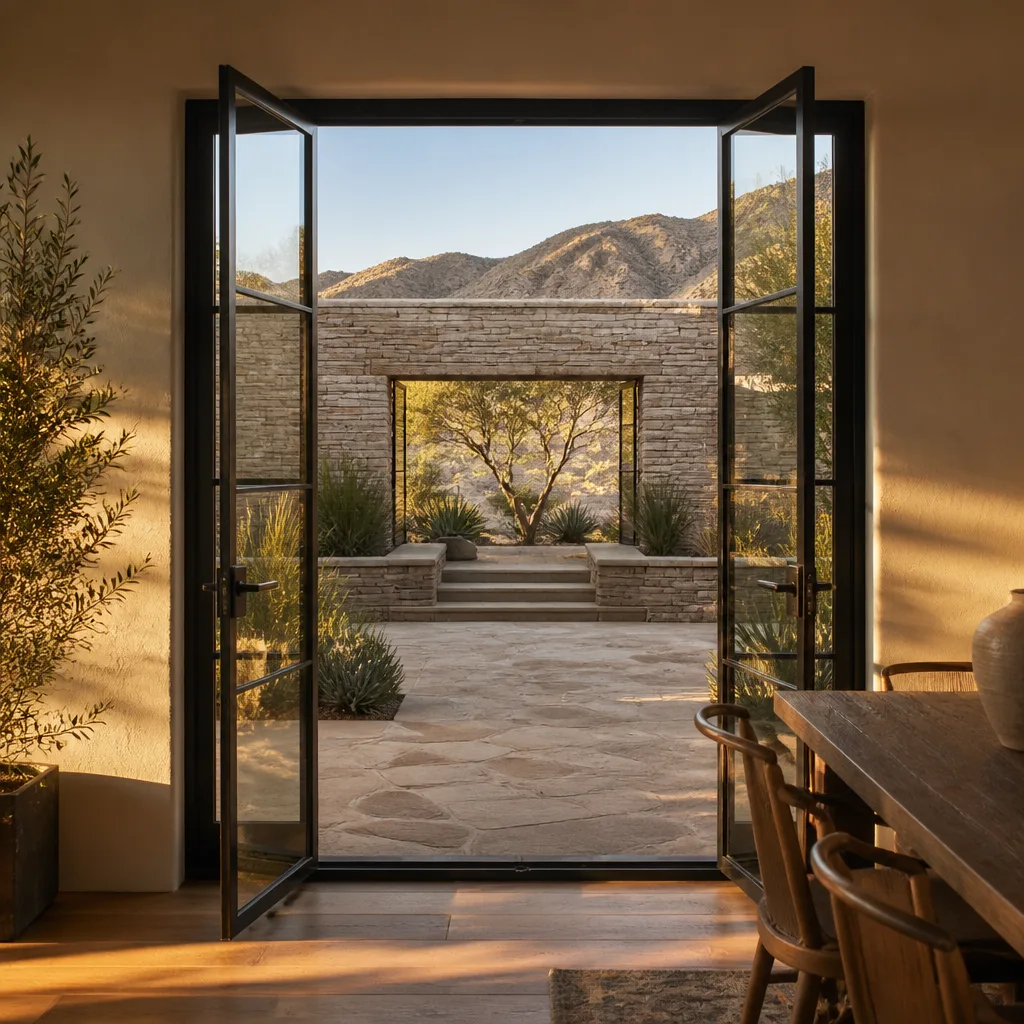
In Boulder City, deadbolts and sliding door locks bind at high ambient temperature for reasons that are mechanical, not mysterious. Metal expands, lubricant thins and runs, and the alignment of a lock cylinder and its strike plate drifts by a few thousandths of an inch – enough to stop a bolt from throwing. Sliding door rollers and tracks also pick up grit in the desert, which raises track resistance and makes the latch harder to seat.
What causes it
- Sun-exposed steel hardware heats faster than the surrounding frame and expands out of tolerance.
- Thin or evaporated lubricant in a deadbolt or roller track; graphite and dry-film lubricants hold up better than oil in desert heat.
- Door slab sag after years of heat cycling, which misaligns the bolt with the strike.
- Grit in the sliding door track that raises friction and pulls the lock out of alignment.
The field fix that buys time
- Clean the track on a sliding door with a stiff brush and a vacuum, then wipe with a dry cloth. Do not flood the track with oil; it traps grit.
- Apply a dry-film or graphite lubricant to the deadbolt cylinder and the sliding door roller, then work the mechanism several times.
- Shift the strike plate slightly (a screwdriver and a file) to realign with the bolt. On a door that has clearly sagged, this is a temporary measure.
- Lift the sliding door panel into its top track by adjusting the roller height; this often restores alignment in a hot afternoon.
When the fix becomes a replacement decision
If the hardware has seized more than twice in a single summer, if the door has visibly sagged, if the latch meets the strike plate only in cool weather, or if the frame itself has warped – the problem is the door assembly, not the lock. That is the point at which a repair budget should convert to a replacement budget. A written scope and a documented measurement of the opening tell you which path is cheaper. For most door replacements in Boulder City, the honest cost ranges are on the Door Installation in Boulder City page.
The Emergency Kit for Desert Storage
Generic “tape and plastic” advice fails in a high-desert climate. Here is a kit tuned to Boulder City conditions, with the shelf life of each item in a garage or shed where temperatures routinely reach 130°F.
- ½-inch exterior plywood cut to typical window sizes (32-inch and 36-inch widths cover most residential openings). Replace every 5 – 7 years; delamination is the failure mode in desert heat.
- 1/8-inch polycarbonate sheet for the largest opening on the home. Shelf life 5+ years; store flat.
- #10 exterior structural screws, 2½-inch, with a driver bit matched to the screw head. Replace the bit every two years; the bit wears faster than the screws.
- 6-mil construction plastic (25-foot roll). Replace every 3 years; plasticizers migrate and the sheet cracks in UV.
- Blue painter’s tape and gaffer tape for interior moisture barriers and edge sealing. Painter’s tape 1 year; gaffer tape 2 years.
- Dry-film lubricant and a graphite lock lubricant for door hardware. Replace annually; the carrier evaporates.
- A stiff brush, a vacuum with a crevice tool, and a wire pick for weep holes. No shelf life on the tools.
- A 25-foot tape measure, a pencil, and a notepad for the measurement record. No shelf life.
- A printed contact sheet with your insurer’s claim line, the Boulder City Police non-emergency line, and a live-answer glazing contractor like Sightline Windows & Doors Boulder City at (833) 847-4018. Reprint every year; phone numbers change.
- Safety glasses and leather gloves for any glass cleanup. Replace the gloves every 3 years as the leather stiffens.
- A fire extinguisher rated for electrical fires stored away from the equipment itself. Check the gauge each spring.
An annual refresh in May, before the first heat spike, keeps the kit genuinely usable.
When to Stop and Call a Professional
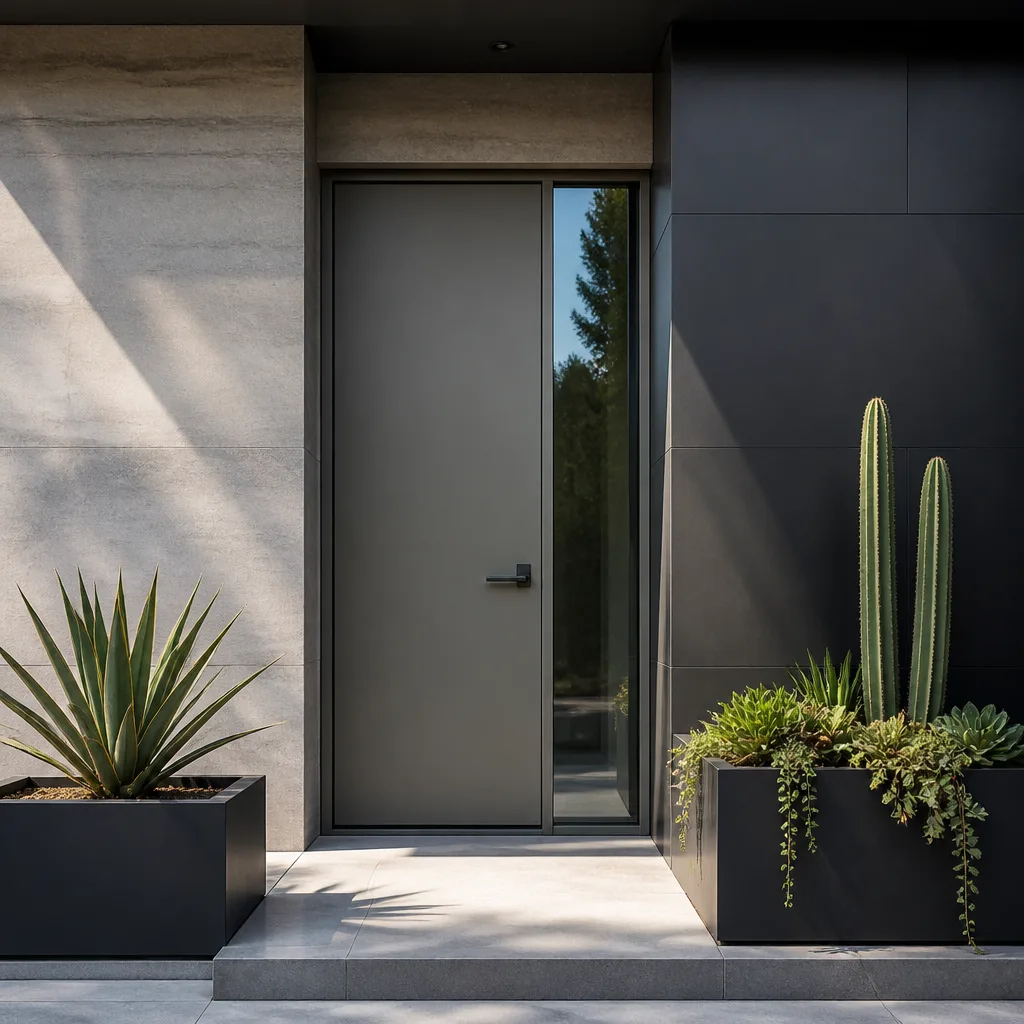
Some failures warrant immediate hands-off treatment. If a window or door frame has pulled away from the wall, if a large pane has cracked and remains under stress, if the frame is bowed, or if the opening is above the ground floor – do not attempt the repair yourself. Cracked glass can shatter without warning as thermal stress changes, and a two-story window replacement is a fall hazard that outweighs the value of any DIY savings. For any glazing that is tempered or laminated, and any window above 6 feet, treat it as professional work. For anything approaching a second-floor opening, call before you touch it.
The same caution applies to door hardware on an emergency egress door. If the lock has seized and the door is the household’s only exit from a bedroom, do not adjust the strike plate yourself. A misaligned latch that fails in a fire costs more than any service call.
Common Mistakes to Avoid
- Using tape as the only board-up. Tape fails in UV within a day in Boulder City sun, and the adhesive can bake into the frame finish. Use rigid material with structural screws.
- Skipping the weather record on the claim. Monsoon microbursts are documented by the National Weather Service; without that record, a wind-damage claim is much harder to substantiate.
- Ignoring a fogged glass unit until it cracks. A fogged unit has lost its insulating gas fill and is more likely to fail under thermal shock. Note it in June, not August.
- Oil-lubricating sliding door tracks. Oil traps desert grit and turns a sliding door into a grinding one. Use dry-film lubricant.
- Calling for replacement before calling for documentation. A written scope and a measurement record come first. Bring a competitor’s written estimate to us and we will review it free of charge – that second opinion frequently saves the replacement budget.
- Leaving the board-up up past 72 hours without a written scope. Insurance files stall, HOA letters start arriving, and the temporary cover itself degrades.
- Replacing a failed window with the wrong product for the opening. A west-facing window over a Boulder City hillside lot sees the highest wind-driven rain load on the home. Match the product to the exposure, not the price sheet. For the options by exposure and budget, the Window Replacement in Boulder City page names the ranges in dollars.
When to Call a Professional
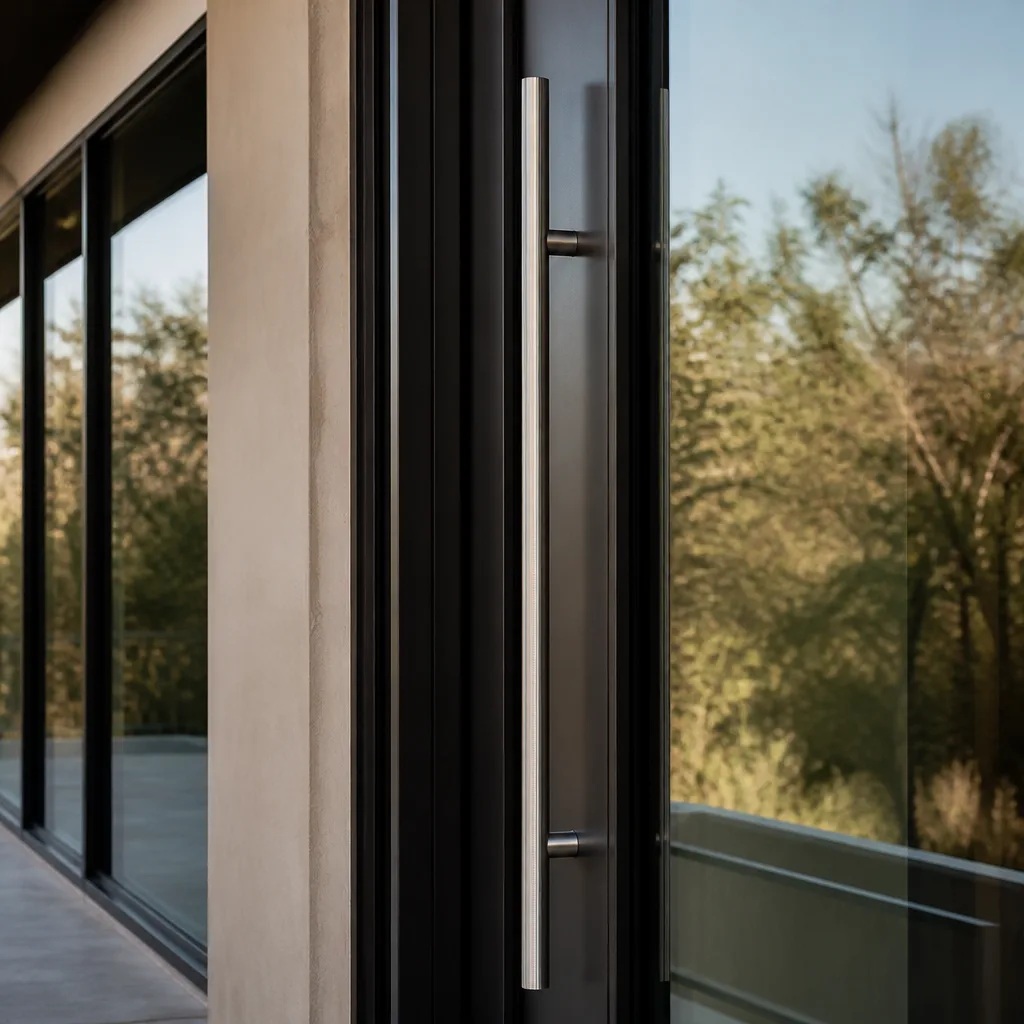
Call a professional when the opening has failed in any of these ways: a cracked or shattered pane in a tempered or laminated unit, a frame that has pulled from the wall, a sliding door that has jumped its track, an exterior door that will not latch, a window above the ground floor, or a misted glass unit that has begun to crack from the corner. A sudden failure in the middle of a heat event is the highest-priority call because interior temperature climbs fast. Sightline Windows & Doors Boulder City offers free estimates in Boulder City – call (833) 847-4018, and we will get a written scope and a measurement record in front of you the same visit.
Frequently Asked Questions
Only if the opening is a single-story window, the pane is intact or fully removed, and the failure is limited to the glass and not the frame. Any tempered or laminated glazing, any second-story opening, and any door whose hardware has seized on an egress path should be handled by a professional. The frame and glazing on a modern impact-rated unit are part of a system; a field repair that ignores the system voids the manufacturer’s warranty.
A board-up runs $175 – $450 depending on the opening size and material. A like-for-like glass replacement in a standard residential window runs $320 – $850; impact-rated or custom glass runs $600 – $1,900. A seized deadbolt or sliding door lock service runs $95 – $260. A full sliding door replacement when the hardware failure points to the assembly runs $1,400 – $4,200 installed. Call (833) 847-4018 for an exact written quote – estimates are free.
It depends on the cause. Wind-driven debris, monsoon microbursts, and vandalism are typically covered under a standard HO-3 policy; neglected maintenance is not. The documentation sequence in this guide – the timestamped photos, the weather or police report, the measurement record – is what turns a covered cause into a paid claim.
Half-inch exterior plywood fastened with structural screws into the rough framing, with 6-mil plastic as an interior moisture barrier behind it. Polycarbonate sheet is the better choice for a large opening you need to keep daylight through. Do not rely on tape alone; UV degrades it in a single day.
Sun-exposed hardware expands, thin lubricant evaporates, and grit in the track raises resistance – all of which pull the locking mechanism out of alignment by a few thousandths of an inch. Clean the track, apply a dry-film lubricant, and adjust the roller height. If it seizes twice in one summer, the door assembly needs a replacement decision, not another lubricant application.
Three tests. First, verify that the weep holes on the sill are clear and drain. Second, run a hose at low flow against the exterior threshold for two minutes and check the interior floor for dampness. Third, close the door on a sheet of paper and pull – if the paper pulls freely anywhere along the sweep, the door bottom is no longer compressing and the threshold seal needs service.
The Bottom Line
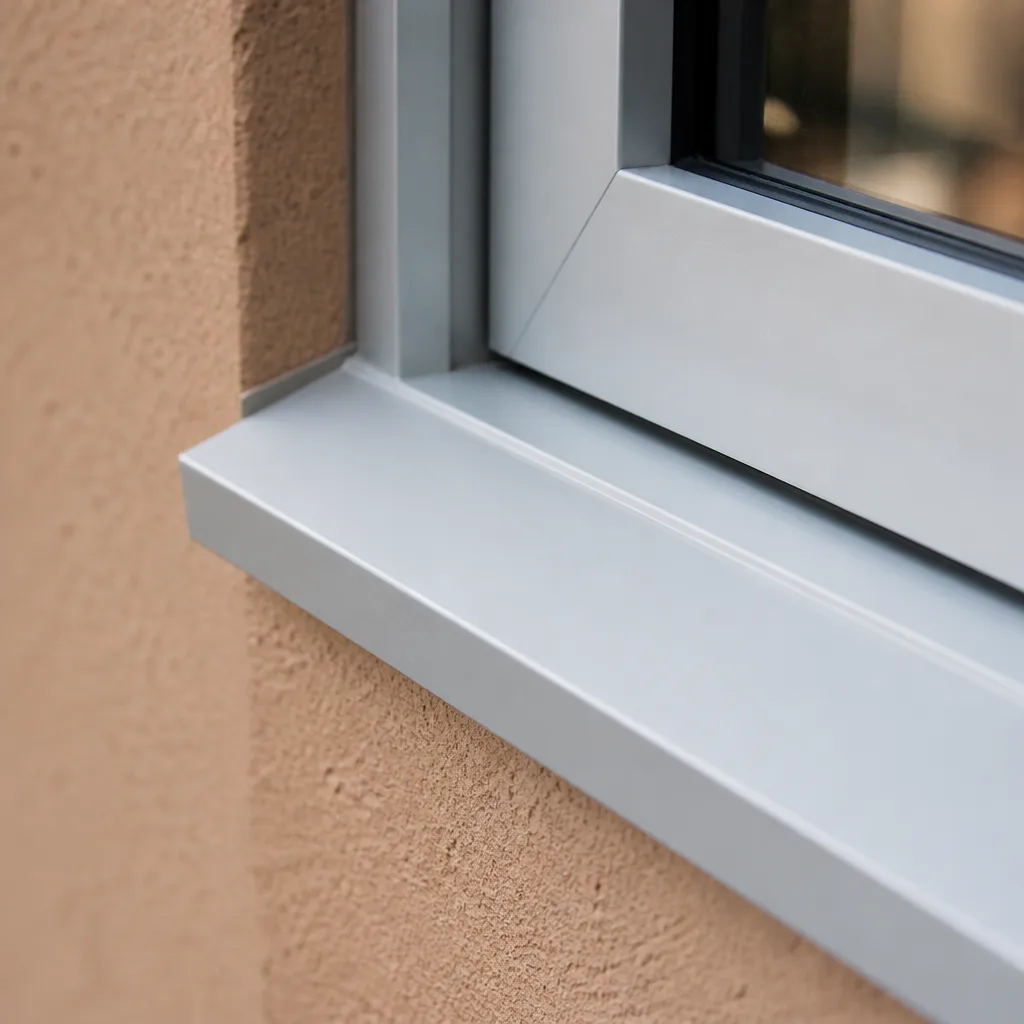
Boulder City window and door emergencies come in two forms, and the preparedness differs. Sudden failures need a 72-hour board-up, a photo and measurement record, and the right calls in the right order. Slow-build failures need a June inspection of weep holes, door sweep compression, and threshold gaps before the monsoon arrives. Keep a desert-tuned emergency kit stored and refreshed annually. Name the price before work starts and keep a written scope you can hand to your insurer – that is the standard we operate under. For a Boulder City window installation or a door replacement done to that standard, see Window Installation in Boulder City. Our brand portfolio runs from ES Windows and ECO Window Systems for energy-efficient and impact-rated units to Mr-Glass and Therma-Tru for glazing and entry doors, specified by what the opening requires. Start with the Sightline Windows & Doors Boulder City home page for our written-price guarantee.
Call (833) 847-4018 for a free estimate. We answer live around the clock, and we bring the written price before any work starts.
Written by the team at Sightline Windows & Doors Boulder City.
Six Reasons Homeowners Choose Sightline Windows & Doors Boulder City
Laminated glass and reinforced frames hold up to wind-driven rain, hail and flying debris, so your openings stay sealed when the weather turns.
Low-E insulated impact glass from our manufacturer lines commonly cuts monthly cooling bills 20-30%.
Laminated impact glass shuts out up to 40% of outside noise - traffic, neighbors, weather.
Monitoring services run $30-90 a month. Laminated impact glass resists forced entry around the clock, with no subscription.
Tighter seals and insulated glass even out hot and cold rooms and stop the drafts at the frame.
A full impact package upgrades curb appeal, buyer confidence and appraised value in one project.
Other Sightline Windows & Doors Boulder City Services