Last updated November 17, 2026
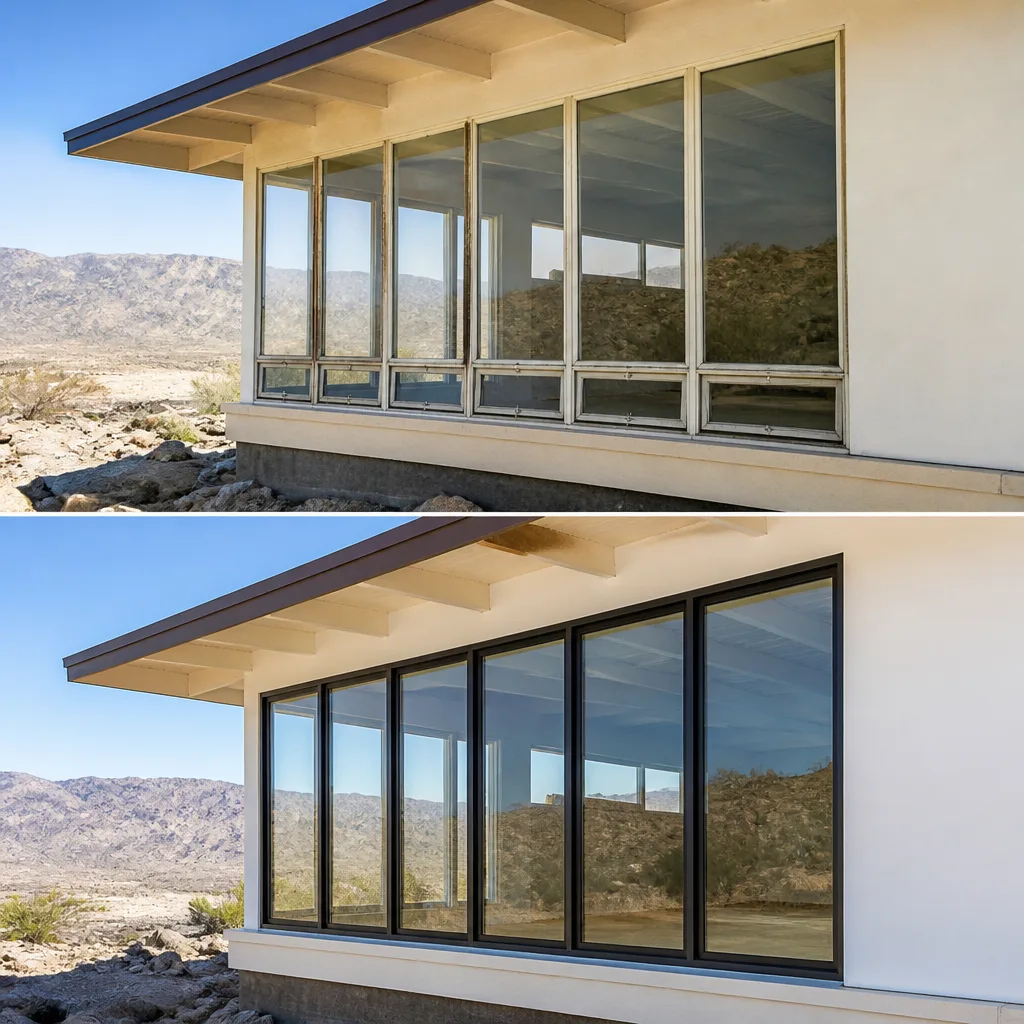
New windows and doors improve comfort, cut energy bills and add long-term value to your home. Sightline Windows & Doors Boulder City pairs proven product lines with a local vetted installing partner for lasting performance - and a price put in writing.
Choose your installer
The unit is half the job - the install is the other half. Background-checked local installers measure, set, seal and insulate every opening, and they know the lines we quote inside and out.
Select the right products
Compare styles, materials and glass packages side by side until the fit is right for your rooms, your budget and your goals. The product-line comparison below is the place to start.
Prepare your home for install
Before install day we walk you through a short checklist - furniture pulled back, treatments down, a clear path to each opening - so install day is watch-it-happen, not scramble.
Compare the Lines We Quote
Every project is priced on the same lines, side by side - the price indicators below are relative, and your consultant shows exact numbers on your actual openings.
PGTThe line homeowners arrive naming - the most impact certifications in the industry$$$
- More impact certifications than any other line we quote
- WinGuard, EnergyVue and ClassicVue Max systems built for every wind zone
- 99% on-time delivery keeps your install date on the calendar
CGIThe heavyweight impact line$$$$$
- Large-missile impact ratings for the strictest wind zones
- Architectural-grade aluminum with commercial-depth frames
- The line we quote when protection is the whole point
CWSThe value pick$$
- Vinyl systems built to strict wind codes
- Strong energy packages at the friendliest price point
- The smart start for whole-home replacements on a budget
ESWSlim lines, big glass$$$$
- Narrow-sightline aluminum for modern elevations
- Oversized openings and floor-to-ceiling glass
- Impact-rated without the bunker look
ECOThe aluminum impact workhorse$$$
- Factory-built aluminum impact systems
- A strong price-to-protection ratio for coastal homes
- Proven lines with short lead times
Windows & Doors Permits, Codes & Inspections in NV: What You Need to Know
In Boulder City, replacing a window in a historic-district home without a Certificate of Appropriateness from the Historic Preservation Commission is a separate violation from a missing building permit. Two agencies, two fines, one project. Most homeowners we talk to assume a permit is a permit, and one piece of paper covers everything. In Nevada it doesn’t. Window and door work here runs through three overlapping layers of regulation, and pulling only one tier still leaves you exposed to a stop-work order and a failed final inspection. This guide maps all three layers for a single-family replacement: the state energy code, the Clark County amendments, and Boulder City’s own municipal and historic-district rules. By the end you’ll know what triggers a permit, what the inspection checks, and what paperwork to keep after close.
Quick Answer
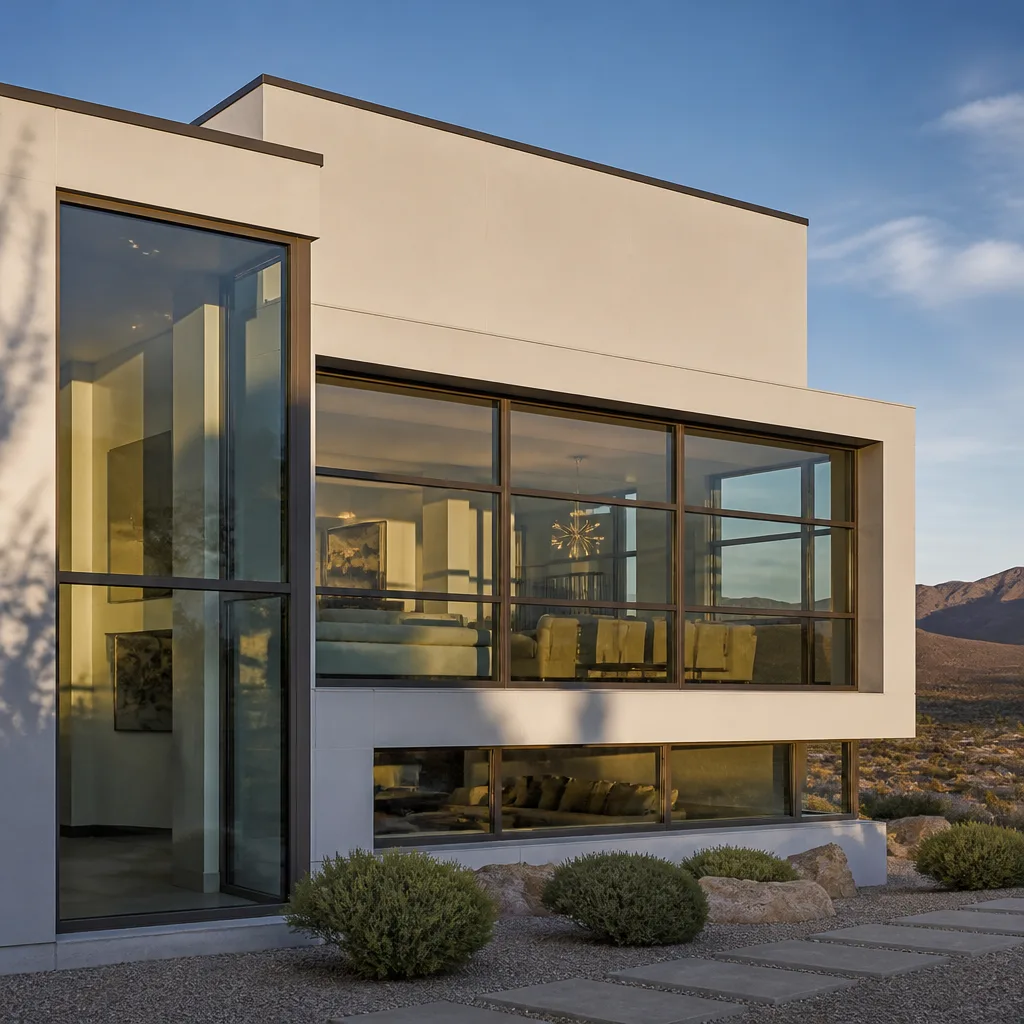
In Boulder City, a like-for-like window or door replacement in the same opening usually doesn’t need a full building permit unless you change the opening size, alter the structure, or your new glazing can’t meet the Nevada energy code. Any change in the historic district also needs a Certificate of Appropriateness from the Historic Preservation Commission, which is a separate review from the building permit. You need both, and the energy compliance documentation to prove the new glass meets Zone 3B minimums.
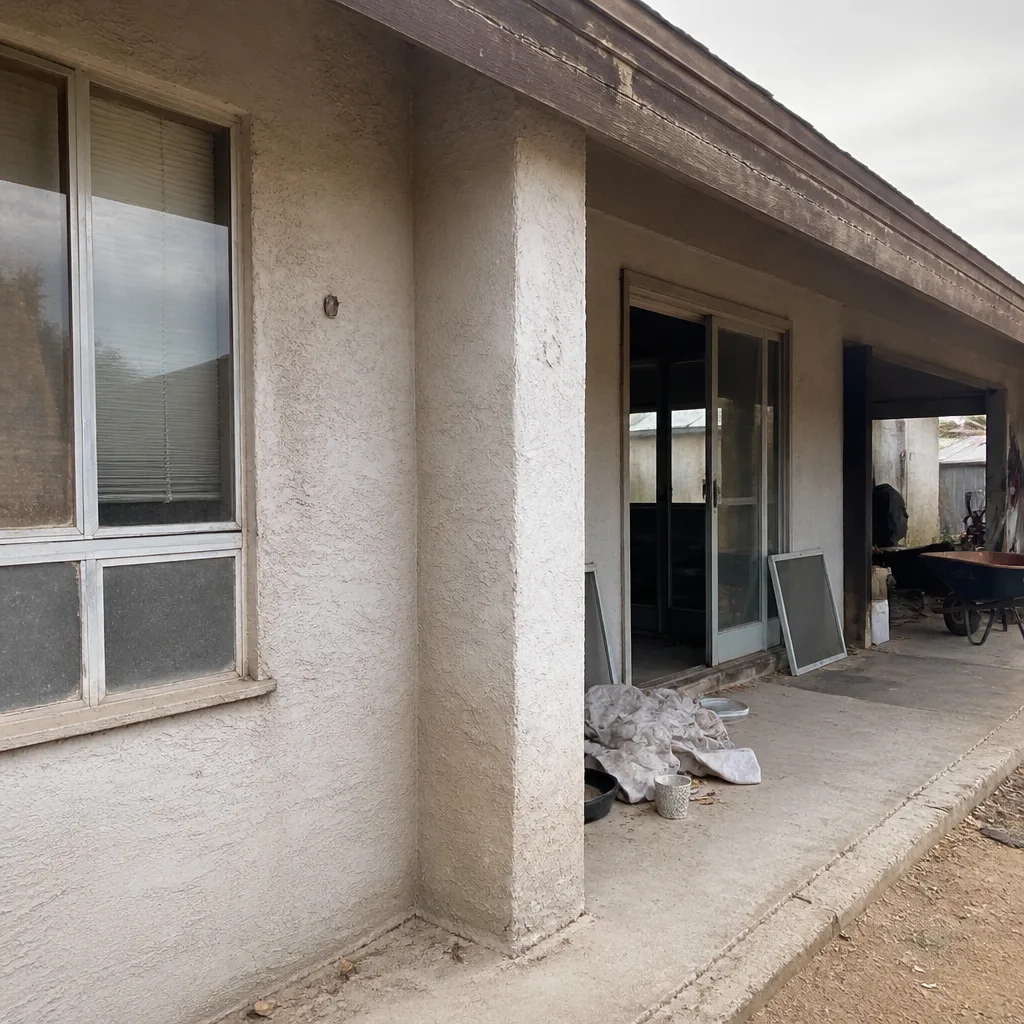 Before
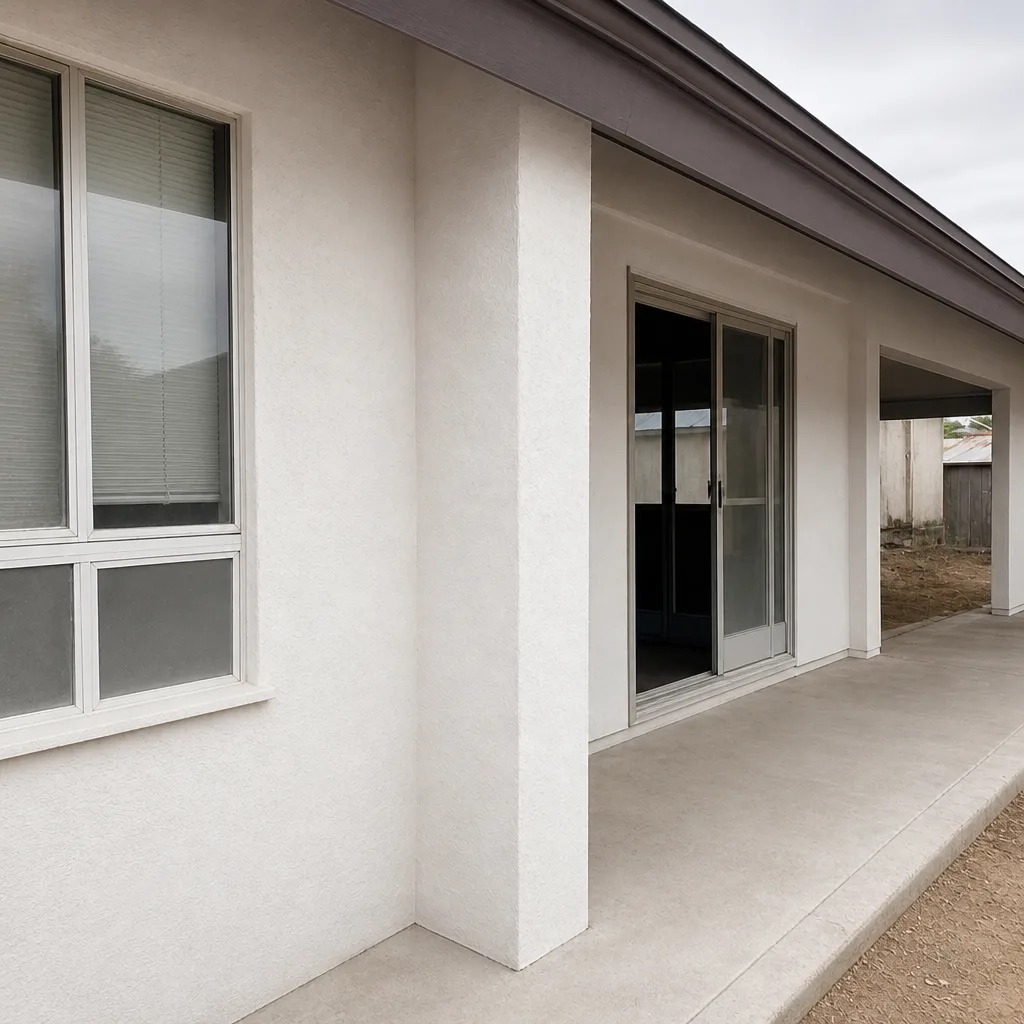 After
Table of Contents
- The three regulatory layers that govern window and door work in Nevada
- What triggers a permit in Boulder City (and what’s exempt)
- Nevada Energy Code 2022: the fenestration numbers for Zone 3B
- The Boulder City Historic Preservation Commission review, step by step
- What the final inspection actually checks
- What a failed final inspection really costs
- The documentation package you keep after permit close
The three regulatory layers that govern window and door work in Nevada
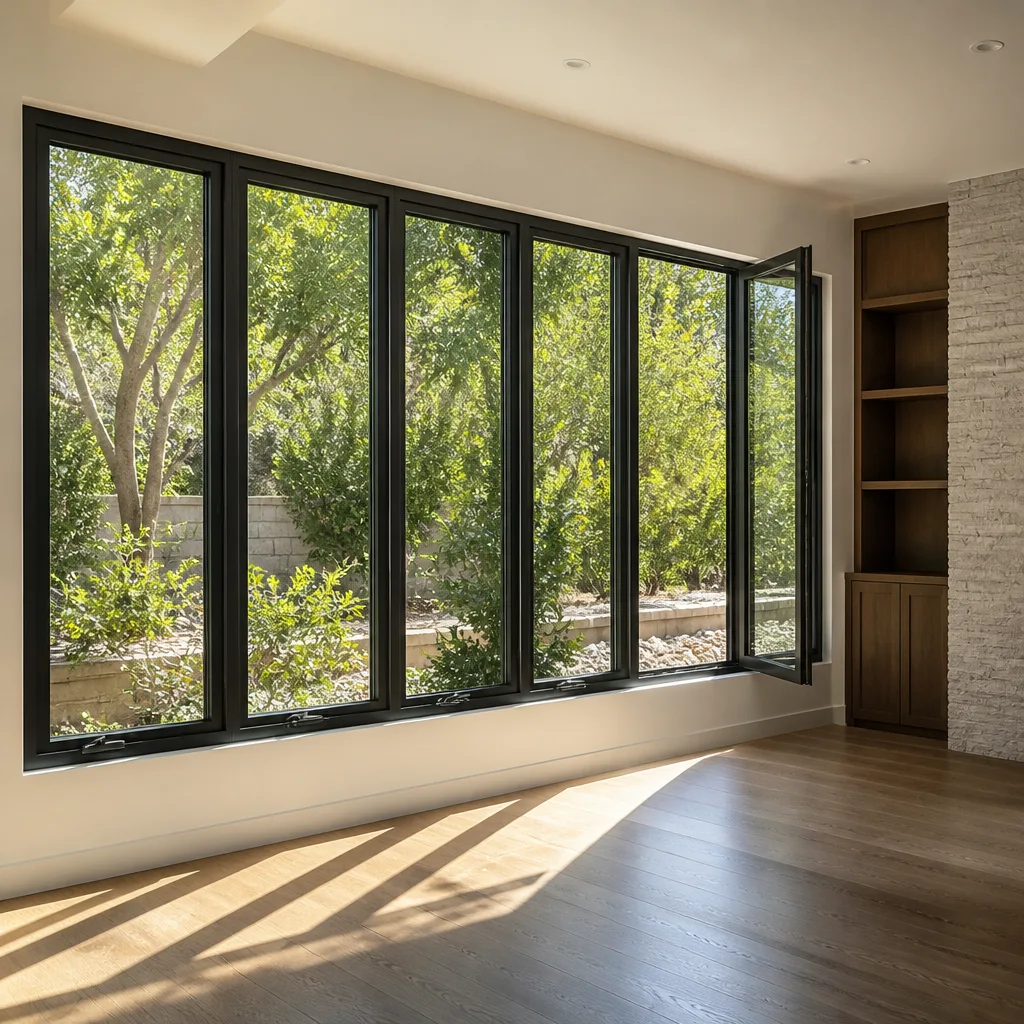
Nevada doesn’t run its window code from a single office. Three layers stack on top of each other, and each one has its own enforcement. Miss any one of them and the project can be shut down even when the other two are satisfied.
- Layer 1 – Nevada Energy Code (based on the 2022 edition, adopted statewide). Sets the fenestration performance floor: U-factor and Solar Heat Gain Coefficient minimums for replacement glazing, by climate zone. Enforced at plan review and again at final inspection.
- Layer 2 – Clark County amendments. Adopts the state code with local amendments covering the unincorporated county and, by reference, many of the incorporated cities in the metro. Boulder City sits inside Clark County and follows the county’s inspection framework, even where it writes its own building rules.
- Layer 3 – Boulder City municipal and historic-district rules. The city issues its own permits through its building division and, separately, runs the Historic Preservation Commission review that governs exterior changes in the historic district.
Here’s the practical problem. A homeowner who calls the county, gets a permit number, and installs new windows has cleared Layer 2 and may have cleared Layer 1. If the home is in the Boulder City historic district, that same install can be a violation the moment the first frame goes in, because Layer 3 was never touched. We’ve watched that exact sequence play out on homes near the old downtown core, and it costs more to unwind than to do correctly the first time. The pattern is worth understanding because the same thing happens in reverse: some homeowners clear the historic review and skip the energy compliance documentation, which stalls the building permit’s final sign-off.
What triggers a permit in Boulder City (and what’s exempt)
The permit threshold in Boulder City turns on three questions: does the opening change, does the structure change, and does the new product meet the energy code. Like-for-like replacement where the frame stays in the same rough opening, the head and sill don’t move, and the glazing meets current code is typically handled as a minor or exempt replacement. Anything that moves the opening or alters the structure pulls a full building permit.
Use this as your working checklist before you order product:
- Same opening, same size, code-compliant glass. Usually minor or exempt. Confirm with the building division before relying on it.
- Any change to rough opening width or height. Full building permit. The framing, header, and flashing all get reviewed.
- Adding a new opening, or converting a window to a door. Full building permit plus structural review. Egress requirements for bedrooms apply.
- Structural alteration of any kind – header replacement, lintel work, wall removal around the opening. Full permit.
- New glazing that can’t meet the energy code minimums. The permit won’t clear final inspection without documented compliance, so plan the product spec first.
- Any exterior change in the historic district. Certificate of Appropriateness required regardless of the permit tier.
The detail that trips people up is the energy code interaction. A homeowner can have a perfectly like-for-like replacement exempt from the building permit and still fail energy compliance at inspection because the new window’s U-factor doesn’t meet Zone 3B. We see this most often when a contractor installs a low-cost single-pane unit in a home that previously had code-compliant glass. The old window was grandfathered; the new one isn’t. Before you commit to a product, get the spec sheet in hand and check the numbers against the section below.
Nevada Energy Code 2022: the fenestration numbers for Zone 3B
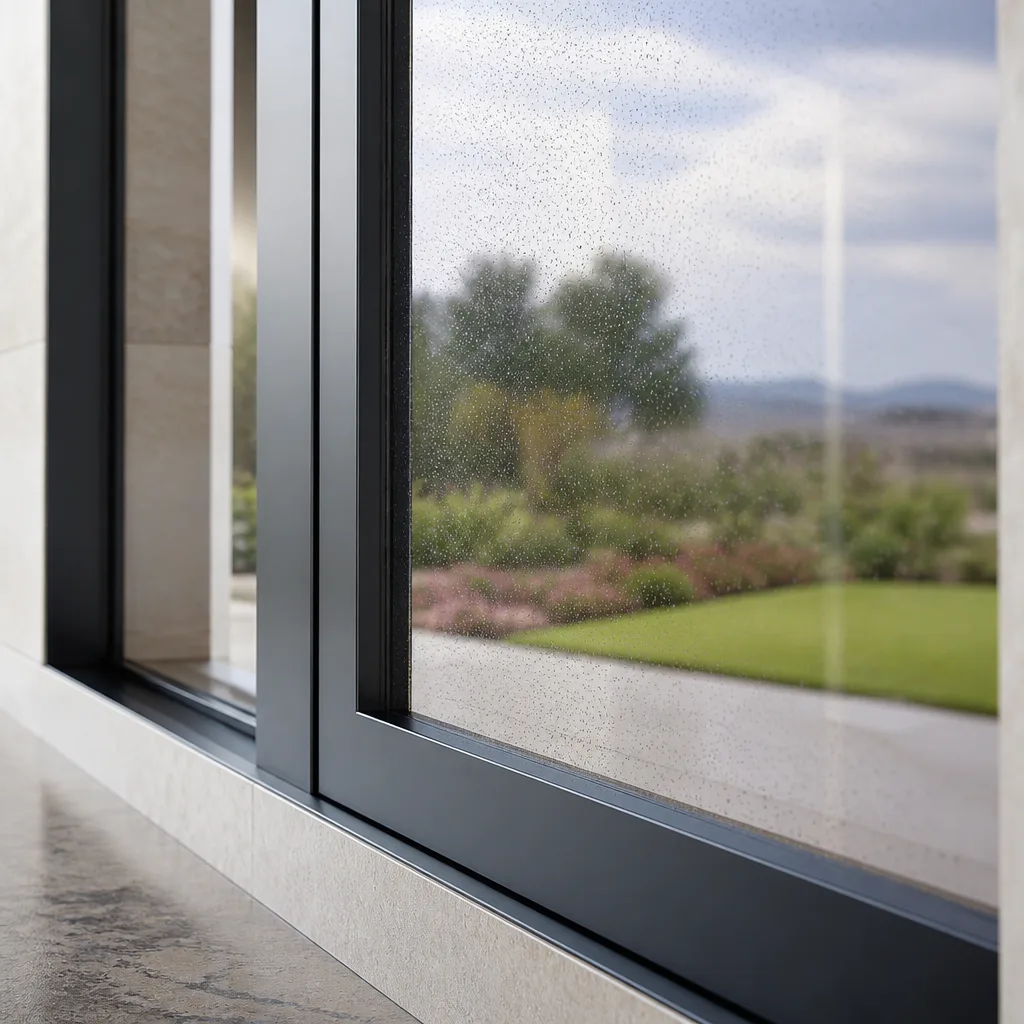
Boulder City falls in climate zone 3B, and the 2022 Nevada Energy Code sets fenestration performance minimums by zone. For residential replacement windows in Zone 3B the working figures are a maximum U-factor of 0.40 and a maximum Solar Heat Gain Coefficient (SHGC) of 0.25 for the regulated fenestration area.
Those two numbers do different jobs. The U-factor measures how fast heat moves through the glass assembly, and lower is better in both heating and cooling seasons. The SHGC measures how much solar heat the glass lets in, and in the desert that number matters more than most homeowners realize. A low SHGC keeps the afternoon sun from turning a west-facing room into an oven. In Boulder City’s climate, a window selected for a strong U-factor but a high SHGC will pass one check and fail the other.
A few practical notes:
- Product lines from manufacturers like CWS, ES Windows, and ECO Window Systems publish NFRC-rated U-factor and SHGC values on their spec sheets. The label is what the inspector reads.
- Whole-window U-factor is the correct number in the code; center-of-glass values are not accepted. Ask for the whole-unit rating.
- Impact-rated glazing for the metro’s wind zones is often specified alongside energy compliance. It’s a separate performance category and doesn’t automatically satisfy the SHGC or U-factor minimums.
- Some products qualify for the prescriptive path; others need a performance-based calculation. The simpler the spec, the easier the inspection.
The energy compliance certificate that gets filed with the permit is the document that proves all of this. We keep a copy on file for every job. Our window installation in Boulder City page describes how we sequence the product specification against the permit documents so nothing gets ordered before the numbers are confirmed.
The Boulder City Historic Preservation Commission review, step by step
If the home is in the Boulder City historic district, an exterior window or door change goes to the Historic Preservation Commission for a Certificate of Appropriateness (COA) before the building permit is issued. This is the layer most homeowners don’t know about, and it has its own timeline. Current turnaround is typically four to six weeks, so the review has to be scheduled at the front of the project, not after the contractor’s order is in.
Here’s how the review runs:
- Pre-application check. Confirm the property is in the recognized historic district boundary. Not every older home in Boulder City is; the boundary is mapped and the building division will confirm the status.
- Prepare the submission. Photos of the existing opening, measured drawings, a product spec sheet with frame material, profile, and color, and a short narrative describing the scope. The Commission reviews the change, not the brand.
- Submit and wait for the hearing. The four-to-six-week figure is the current range. Plan the product lead time around it, not the reverse.
- Attend or respond to the hearing. The Commission can approve, approve with conditions, or deny. Conditions are usually about frame color, profile, or muntin configuration.
- Receive the COA and then file the building permit. The COA attaches to the permit file as a condition of approval.
The frame materials and colors most likely to be pre-approved are the ones that read as traditional: wood and wood-clad frames in period-appropriate colors, often earth tones and historic paint colors. Modern aluminum in bright or metallic finishes is more likely to draw conditions or a denial. If you’re working with a product from ES Windows or Mr-Glass that has a factory color option matching the historic palette, get the color chip into the submission. The Commission is not hostile to vinyl or aluminum in the right profile and color; it just wants the change to be sympathetic to the street. We’ve had the smoothest reviews when the submission leads with the measured drawing rather than the brochure.
What the final inspection actually checks
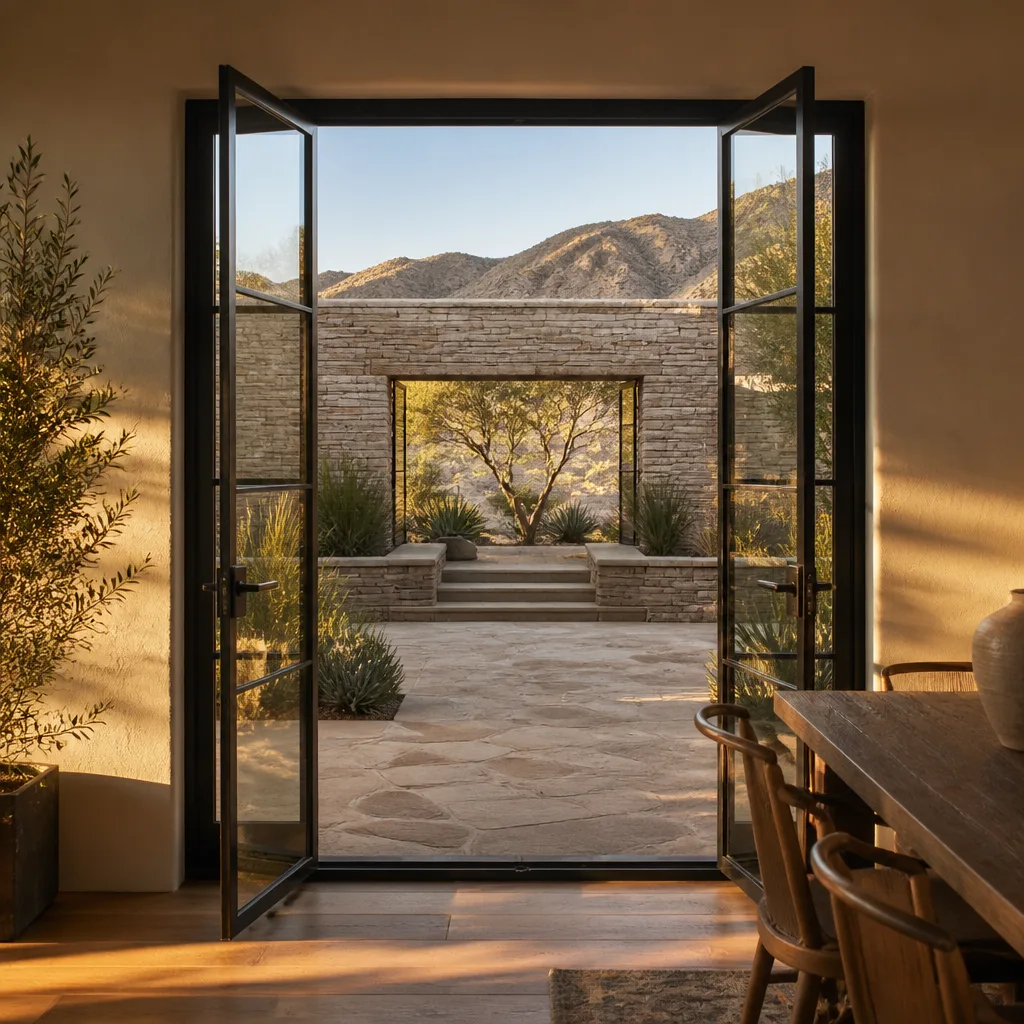
The final inspection is where the earlier layers get verified together. The inspector isn’t re-measuring the whole house; they’re confirming that what was permitted is what was installed, and that the installed product meets the code the permit promised.
- Match to the permit documents. Dimensions, locations, and the product specification on the approved plans have to match what’s in the wall.
- Energy compliance evidence. The NFRC label or spec-sheet documentation for the installed glazing, checked against the certificate filed with the permit.
- Historic conditions. If the permit carries COA conditions, the inspector confirms those conditions were met.
- Installation integrity. Flashing and weather-sealing at the perimeter of each opening. In Boulder City’s wind and dust environment, poor flashing is the most common callback source.
- Egress. Where a window serves as the required egress from a sleeping room, the opening clearances are checked.
The inspection card is signed off at that point, and the permit closes. If any of the above fails, the permit stays open, which is where the next section starts. Homeowners we work with get a documented photo record of each opening during install; that evidence is what makes a re-inspection straightforward rather than a guessing game. Our window replacement in Boulder City page covers how the photo record is captured and stored per job.
What a failed final inspection really costs
A failed final inspection isn’t a paperwork annoyance. It’s an open permit on the property record, and it carries three separate costs that compound.
- Re-inspection fees. Boulder City charges a re-inspection fee per visit, and repeat failures bill each time. The fee schedule is published with the building division.
- Contractor return trips. Re-inspection requires the crew back on site. Those trips are billable in most contracts, and they’re a direct cost the homeowner didn’t budget.
- The open-permit insurance gap. This is the expensive one. An open permit is a disclosure item at sale and can complicate a title transfer. More immediately, if a storm or fire damages the un-inspected installation, an insurer can question coverage on unpermitted work. The gap doesn’t resolve itself when the repair is done; it resolves when the permit closes.
In our experience the failure usually traces back to one of two things: a product whose spec sheet didn’t actually meet the filed certificate, or a historic-district condition that wasn’t executed as written. Both are preventable at the front end. Adding a door to the project raises the stakes, because door egress and hardware requirements bring their own inspection items; our door installation in Boulder City page covers that separately. The pattern we keep seeing in Boulder City is a per-opening project so tightly sequenced that there’s no slack left if the first inspection fails, so we build the re-inspection window into the schedule before work starts.
The documentation package you keep after permit close
Once the permit closes, you should be holding a package, not a single sheet of paper. This is what a future buyer’s title company and a future insurer will want to see, and it’s what we assemble on every job.
- The inspection card. Signed final inspection, with the date and inspector of record.
- Energy compliance certificate. The filed certificate tied to the permit number, showing the U-factor and SHGC values the installed product met.
- Product spec sheet. The NFRC-rated documentation for each product line installed, matching the certificate.
- Certificate of Appropriateness (historic district only). The approved COA and any conditions of approval that were executed.
- The measured survey. The site measurements that generated the order, which should match the as-built openings.
- The photo record. Each opening documented at install, with the finished condition. It’s the evidence that supports the inspection card.
- The written warranty. The workmanship coverage terms in writing, not stated at the door.
We keep a copy of this package on file for every Boulder City job. It’s part of why the 365-Day Done Right Promise works as a document rather than a slogan. The Sightline Windows & Doors Boulder City home page explains the Haven Standard that governs how the package is assembled, and Haven Clause 4 (Evidence on every job) is the clause that puts the photo record in your hands. If you want the full picture of how the product lines map to permit tiers, our Boulder City window installation guide walks through the sequencing.
Common Mistakes to Avoid
- Pulling only the building permit and skipping the COA. In the historic district, that’s two violations for one project. Confirm historic-district status before you order a single unit.
- Assuming an exempt replacement needs no energy documentation. The building permit may be waived; the energy code still applies, and a future sale can surface a non-compliant install.
- Ordering product before the COA hearing. With a four-to-six-week review window, ordering early locks you into a product that may not match the Commission’s conditions.
- Using center-of-glass ratings instead of whole-window values. The inspection reads the NFRC whole-unit rating. A spec sheet barreling past that detail stalls the final sign-off.
- Missing the overlap between state, county, and city layers. Clearing Clark County does not clear Boulder City. The three layers require three separate confirmations.
- Skipping the photo record. A re-inspection without documentary evidence of each opening means re-opening finishes, which is the costliest way to fix a failed inspection.
- Letting the permit sit open after a failed inspection. An open permit follows the property at sale and can complicate insurance on the unverified work. Close it, don’t defer it.
When to Call a Professional
Some of this guide is a reference you can apply yourself. The permit sequencing isn’t. When the opening changes size, when the home is in the historic district, when a bedroom window is the required egress, or when the product spec has to meet the energy code in a way you can’t verify from a brochure, a trained installer and a permit-ready specification are what keep the project clear. The danger isn’t the paperwork; it’s a no-permit install that surfaces years later at a sale. Sightline Windows & Doors Boulder City offers free estimates in Boulder City. Call (833) 847-4018 and we’ll review the opening, the historic status, and the product tier before a price is written.
Frequently Asked Questions
It depends on whether the opening changes. A like-for-like replacement in the same rough opening that meets current energy code is usually exempt or minor; any change to opening size, structure, or a non-compliant product requires a full building permit. Homes in the historic district also need a Certificate of Appropriateness regardless of the permit tier. Call (833) 847-4018 for a free estimate that confirms which tier your project falls into.
Boulder City is in climate zone 3B under the 2022 Nevada Energy Code, and residential replacement fenestration is typically held to a maximum whole-window U-factor of 0.40 and a maximum Solar Heat Gain Coefficient of 0.25. The spec sheet is what the inspector reads, so get the NFRC whole-unit values in hand before ordering. Call (833) 847-4018 for an exact quote – estimates are free.
Current turnaround for a Historic Preservation Commission Certificate of Appropriateness is typically four to six weeks. That window has to be built into the project schedule before product is ordered, not after. Call (833) 847-4018 to review the timeline against your job.
The permit stays open, which triggers a re-inspection fee per visit, billable return trips from the crew, and an open-permit disclosure item at sale. An insurer can also question coverage on unpermitted or un-inspected work. The fastest path is documented evidence of each opening plus a product spec that matches the filed certificate, which is what our photo record provides. Call (833) 847-4018 for a free estimate and we’ll walk through the documentation package.
It shouldn’t. Sightline writes the price before any work begins, and the written quote and the measured survey are the same document; if the scope changes, the price changes on paper before the tool comes out, not on the invoice after. Bring us a competitor’s written estimate and we’ll review it at no charge as a free second opinion. Call (833) 847-4018 to schedule your free estimate.
Yes, permit filing and inspection coordination are part of the scope, including the historic COA where it applies. The energy compliance documents and the COA conditions are built into the permit file from the start. Call (833) 847-4018 for an exact quote on your Boulder City project.
The Bottom Line
Nevada’s window and door rules run on three layers, and Boulder City homeowners are exposed to all three. The state energy code sets the Zone 3B performance floor (U-factor 0.40, SHGC 0.25). Clark County adds inspection framework. Boulder City adds its own building division and, in the historic district, a Certificate of Appropriateness review that adds four to six weeks to the schedule. A failed final inspection leaves an open permit on the property record with fees, return trips, and an insurance gap behind it. The way through is to confirm the permit tier before product is ordered, get the NFRC spec sheet and energy compliance certificate in writing, and keep the documentation package at close. That’s the whole job, correctly measured, once.
If you’d like the permit and product questions resolved before a price is written, call (833) 847-4018 for a free estimate. We’ll review your opening, historic status, and code tier, hand you the written price before any work starts, and leave you with the photo record and paperwork package at close under the 365-Day Done Right Promise.
Written by the team at Sightline Windows & Doors Boulder City.
Six Reasons Homeowners Choose Sightline Windows & Doors Boulder City
Laminated glass and reinforced frames hold up to wind-driven rain, hail and flying debris, so your openings stay sealed when the weather turns.
Low-E insulated impact glass from our manufacturer lines commonly cuts monthly cooling bills 20-30%.
Laminated impact glass shuts out up to 40% of outside noise - traffic, neighbors, weather.
Monitoring services run $30-90 a month. Laminated impact glass resists forced entry around the clock, with no subscription.
Tighter seals and insulated glass even out hot and cold rooms and stop the drafts at the frame.
A full impact package upgrades curb appeal, buyer confidence and appraised value in one project.
Other Sightline Windows & Doors Boulder City Services